
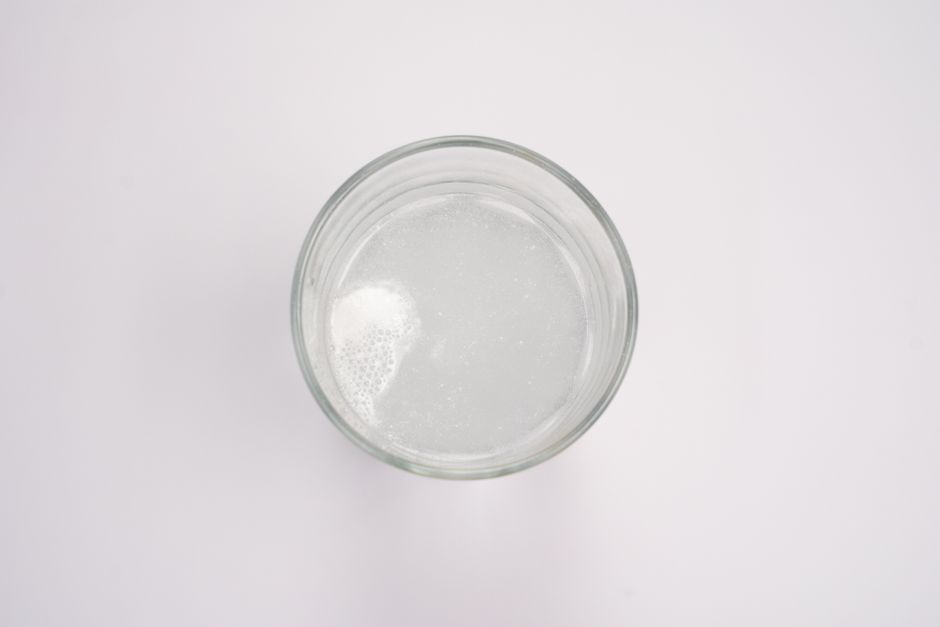
Bubbly saliva is usually just frothy spit — saliva mixed with air and a thin layer of mucus. It happens to nearly everyone at some point, often in the morning or after talking a lot. In most cases it is harmless and settles on its own. But a few causes, like dry mouth, acid reflux, or a respiratory infection, are worth knowing about because they need attention.
Why Is My Spit So Bubbly Causes And Fixes? Why It Happens
Saliva is mostly water, but it also carries mucus, proteins, and minerals. When you swallow, talk, or breathe through your mouth, you mix air into that fluid. Air bubbles get trapped in the mucus, and that is what makes spit look frothy or foamy instead of clear and thin.
There are two main things that turn normal spit into bubbly spit.
The first is air mixing. Any time saliva is agitated — chewing, speaking, panting, or breathing through your mouth — bubbles form. This is the same reason a shaken bottle of water looks cloudy.
The second is saliva thickness. Saliva that is more concentrated, or lower in volume, holds bubbles longer. Thin, watery saliva pops quickly. Thick, sticky saliva keeps the foam.
So bubbly spit is not a disease by itself. It is a sign that something is changing either how much air is getting into your saliva or how thick your saliva has become. The fix depends on which one is happening.
What Causes Bubbly Saliva Most Often?
The most common cause is simple dehydration or dry mouth. When your body does not have enough fluid, saliva gets thicker and more concentrated, which lets bubbles last longer.
Other everyday causes include:
- Mouth breathing — during sleep, exercise, or a stuffy nose. Air dries saliva and adds bubbles.
- Talking or singing a lot — more air gets mixed into the saliva.
- Chewing gum or sucking candy — especially sugar-free types that stimulate saliva and air mixing.
- Certain medications — many drugs, including some antihistamines, antidepressants, and blood pressure medicines, reduce saliva flow.
- Caffeine and alcohol — both can dry out your mouth.
- Smoking — irritates the mouth and changes saliva consistency.
In these cases, bubbly spit is a nuisance, not a warning sign. It usually goes away once you drink water or stop the trigger.
When Is Bubbly Spit a Sign of Something More?
Sometimes frothy saliva points to a condition that needs medical care. This is where it helps to pay attention to what comes with it.
Acid reflux (GERD) is a common one. Stomach acid moving up into the throat triggers extra saliva production as a protective response. That saliva mixes with air and acid, and can look bubbly or foamy. If you also get a sour taste, heartburn, or a cough after eating, reflux may be the cause.
Respiratory infections can also change saliva. A cold, flu, or sinus infection often leads to mouth breathing and thicker mucus. In some lung conditions, frothy or foamy sputum is coughed up rather than produced in the mouth. If you are coughing up bubbly phlegm — especially with fever, chest pain, or trouble breathing — see a doctor. That is different from bubbly spit in your mouth.
Dry mouth from medical causes is another possibility. Sjögren’s syndrome, diabetes, and some autoimmune conditions reduce saliva flow. If your mouth is persistently dry along with bubbly spit, that pattern is worth discussing with a clinician.
One thing worth separating: foamy saliva in the mouth and foamy sputum from the lungs are not the same. The first is usually minor. The second can be a sign of a lung problem and should be checked.




Does Bubbly Spit Mean I’m Dehydrated?
Not always, but it is one of the more common reasons. When your body is low on fluid, it conserves water by making saliva thicker and lower in volume. Thick saliva traps air more easily, so it looks foamy.
Other signs of dehydration include dark yellow urine, dry lips, thirst, and feeling tired. If you have several of these along with bubbly spit, drinking more water through the day is a reasonable first step.
That said, bubbly spit on its own is not a reliable way to judge hydration. Some people make frothy saliva even when well hydrated, especially if they breathe through their mouth or talk a lot. Use urine color and thirst as better guides.
How Do You Get Rid of Bubbly Spit?
For most people, the fix is simple and starts with hydration. Drinking water regularly through the day thins saliva and helps bubbles pop faster.
Other practical steps that often help:
- Breathe through your nose when you can. If a stuffy nose is forcing mouth breathing, treating the congestion may help.
- Cut back on caffeine and alcohol, which both dry the mouth.
- Chew sugar-free gum — this stimulates saliva flow and can actually reduce thickness over time.
- Use a humidifier at night if the air in your home is dry.
- Try an alcohol-free mouth rinse if you use mouthwash. Alcohol-based rinses can worsen dryness.
- Review your medications with a doctor or pharmacist if dry mouth started after a new prescription.
If you have reflux symptoms, avoiding large meals close to bedtime and cutting back on trigger foods may reduce the frothy saliva that comes with it. Some clinicians also recommend raising the head of the bed for nighttime reflux.
None of these are guaranteed fixes. They address the most common causes. If bubbly spit continues despite these steps, or comes with other symptoms, it is worth a medical visit.
When Should You See a Doctor About Bubbly Saliva?
Bubbly spit by itself rarely needs medical attention. But certain signs change that.
See a doctor if you have:
- Bubbly or frothy phlegm coughed up from your chest, especially with fever, chest pain, or shortness of breath
- Persistent dry mouth that does not improve with fluids
- Frequent heartburn, sour taste, or a chronic cough after meals
- Difficulty swallowing or a feeling that food gets stuck
- Unexplained weight loss along with changes in saliva
- White patches, sores, or pain in your mouth
These signs do not mean something serious is definitely going on. They mean a clinician should take a look, because several conditions that affect saliva also affect other parts of your health.
What Does the Evidence Actually Say?
Research on saliva is well established. Saliva composition, flow rates, and the effects of hydration and medications on saliva are all documented in the dental and medical literature. The link between dry mouth and certain drugs is one of the better-supported findings in oral medicine.
What is less clear is how often bubbly spit specifically signals a medical problem. There is no widely used clinical guideline that treats frothy saliva as a standalone diagnostic sign. It is usually interpreted alongside other symptoms, not on its own.
That is an important distinction. Bubbly spit is a common observation, not a diagnosis. The right response depends on what else is happening — not on the foam itself.
Frequently Asked Questions
Why is my spit bubbly in the morning?
Morning bubbly spit is usually from mouth breathing during sleep, which dries saliva and mixes in air. Drinking water when you wake up typically clears it within minutes.
Is bubbly saliva a sign of dehydration?
It can be, since dehydration makes saliva thicker and lets bubbles last longer. Dark urine and thirst are more reliable signs of dehydration than saliva texture alone.
Can acid reflux cause bubbly spit?
Yes. Reflux triggers extra saliva as a protective response, and that saliva can look frothy or foamy. A sour taste or heartburn after eating supports this as the likely cause.
When should I worry about foamy saliva?
Foamy saliva in your mouth is rarely a concern on its own. Foamy phlegm coughed up from your chest — especially with fever, chest pain, or trouble breathing — should be checked by a doctor.
