
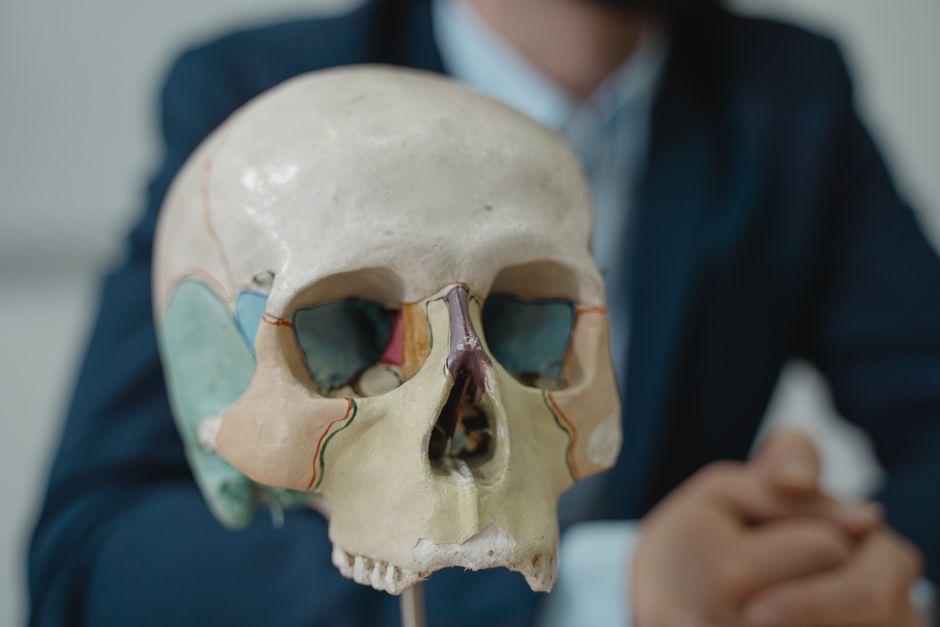
Feeling a bump on your skull can be alarming, but most lumps and bumps on the head are not dangerous. The scalp and skull are made of several layers — skin, fat, connective tissue, muscle, and bone — and bumps can form in any of them. Many are harmless skin growths, cysts, or normal variations in the skull bone itself. A few need a doctor’s attention. Knowing the difference helps you decide what to do next.
Why Is My Skull Bumpy Causes Of Lumps And Bumps?
Most skull bumps come from one of three places: the skin and soft tissue of the scalp, the lymph nodes at the back of the head, or the skull bone itself. Each layer produces different kinds of lumps, and the feel of the bump often points to its source.
Soft, movable bumps that sit just under the skin are usually skin-related. Firm, fixed bumps that feel like part of the bone are usually bone-related. Tender, pea-sized lumps near the base of the skull are often lymph nodes.
Here is a short list of the most common causes:
- Sebaceous cysts — fluid-filled sacs under the skin, often on the scalp
- Lipomas — soft, slow-growing fatty lumps
- Folliculitis and boils — infected hair follicles that cause tender bumps
- Enlarged lymph nodes — small, tender lumps at the back of the head or neck
- Normal skull bumps — the occipital protuberance and other natural bone shapes
- Bone growths — osteomas and other benign bony lumps
- Injury-related swelling — hematomas or bumps from past trauma
Cancer of the scalp or skull is rare, but it is one reason a new or changing lump should be checked. The sections below explain each cause in more detail.
What Does a Normal Skull Feel Like?
A healthy skull is not perfectly smooth. Everyone has natural bumps and ridges on the bones of the head, and many people only notice them when they run a hand over their scalp.
The most common natural bump is at the back of the head, near the base of the skull. This is the occipital protuberance, a bony ridge where neck muscles attach. Some people have a more pronounced bump here than others, and it is completely normal.
The skull is also made of several fused plates, and the seams where they meet (called sutures) can feel like ridges. The temple areas and the brow ridge can also feel uneven. These are normal anatomy, not growths.
A natural bump has a few features:
- It has been there for years and has not changed
- It is not tender to touch
- It feels like solid bone, not soft tissue
- It does not grow over time
If a bump matches this pattern, it is unlikely to be a problem. A new bump, or one that is growing or painful, deserves a closer look.
What Are the Most Common Skin and Scalp Causes?
The skin on your scalp is thick and full of hair follicles and oil glands, which makes it a common site for lumps. Most skin-based bumps on the head are harmless.
Sebaceous (epidermoid) cysts are one of the most common causes. These are small sacs under the skin filled with keratin, a protein found in skin and hair. They feel like firm, round bumps and may have a small dark dot in the center. They can become inflamed or infected, which makes them tender and red.
Lipomas are soft, doughy lumps made of fat cells. They grow slowly, are usually painless, and move easily under the skin. Lipomas are benign and rarely need treatment unless they cause discomfort or grow quickly.
Folliculitis is inflammation of a hair follicle, often from bacteria or friction. It causes small, tender, sometimes pus-filled bumps. Boils are deeper infections of a follicle and can be quite painful and swollen.
Other skin causes include warts, moles, and skin tags. Most of these are easy for a doctor to identify on exam.





Can Lymph Nodes Cause Bumps on the Head?
Yes. The back of the head and the neck contain small lymph nodes that can swell and feel like bumps. The occipital lymph nodes sit at the base of the skull, and the cervical lymph nodes run down the neck.
When these nodes enlarge, they usually feel like small, firm, tender lumps under the skin. They often swell in response to an infection nearby — a scalp infection, an ear infection, or a cold. They can also enlarge from other causes.
Most swollen lymph nodes shrink back to normal within a few weeks after the infection clears. A lymph node that stays enlarged for more than a few weeks, keeps growing, or feels hard and fixed should be checked by a doctor.
When Should a Bump on the Skull Worry You?
Most skull bumps are harmless, but some signs mean you should see a doctor. These signs do not confirm a serious problem — they simply mean the bump needs a professional look.
See a doctor if a bump has any of these features:
- It is new and has appeared recently
- It is growing quickly or changing shape
- It is painful, hot, or red
- It leaks fluid or pus
- It feels hard and fixed to the bone
- It is accompanied by fever, headache, or other symptoms
- It is a mole that is changing color, size, or shape
A painful, red, hot bump could be an infection, which may need treatment. A hard, painless bump that is growing could be a benign bone growth, but a doctor should confirm it. A changing mole on the scalp should also be checked, since scalp skin can develop skin cancer.
Head injury is a separate concern. If a bump appeared after a blow to the head and you have confusion, vomiting, severe headache, or loss of consciousness, seek emergency care.
How Are Skull Bumps Diagnosed?
Most skull bumps are diagnosed with a physical exam. A doctor will feel the bump, check its size, firmness, and movement, and look at the skin around it. They will also ask how long it has been there and whether it has changed.
If the exam is not clear, imaging may be used. An ultrasound can show whether a lump is fluid-filled or solid. A CT scan or MRI can show the bone and deeper tissues. These are usually reserved for bumps that are hard, growing, or unclear on exam.
Sometimes a doctor will take a small sample of tissue (a biopsy) to check for cancer or other conditions. This is more common for lumps that look unusual.
In most cases, no testing beyond an exam is needed. A doctor can often tell a cyst from a lipoma or a normal bone bump just by feeling it.
How Are Skull Bumps Treated?
Treatment depends on the cause. Many bumps need no treatment at all.
Normal bone bumps and small lipomas usually need nothing. Cysts that are not infected may be left alone or removed if they cause problems. Infected cysts and boils may need antibiotics or drainage by a doctor. Enlarged lymph nodes usually settle on their own once the underlying infection clears.
Do not try to squeeze, pop, or cut a bump on your head yourself. This can cause infection, scarring, and worse problems. A doctor can decide whether a bump needs treatment.
For most benign bumps, treatment is optional. For infected or growing bumps, treatment is more important. The right choice depends on what the bump is.
Frequently Asked Questions
Are bumps on the skull usually cancer?
No. Most bumps on the skull are benign cysts, lipomas, lymph nodes, or normal bone shapes. Cancer is rare, but a new or changing lump should be checked by a doctor.
Why do I feel a bump on the back of my head?
The most common reason is the occipital protuberance, a normal bony bump where neck muscles attach. A swollen lymph node or a cyst can also cause a bump there.
Can a bump on the skull be normal?
Yes. Many people have natural bumps and ridges on the skull that are normal anatomy. A bump that has been there for years, does not hurt, and does not grow is usually not a concern.
When should I see a doctor for a skull bump?
See a doctor if the bump is new, growing, painful, red, leaking fluid, or feels hard and fixed. A changing mole on the scalp should also be checked.
