
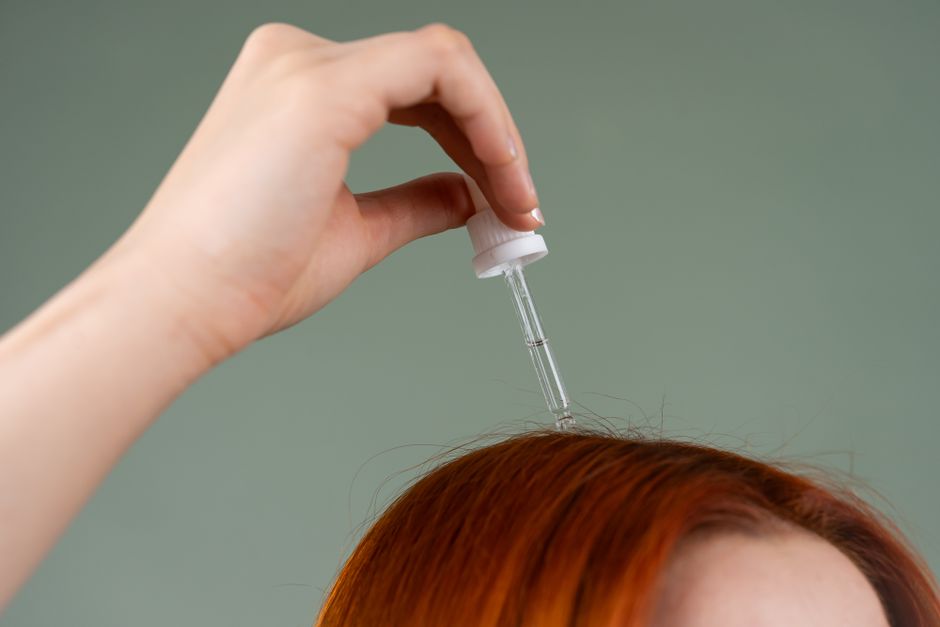
Scalp tenderness in one specific spot after a COVID-19 infection is a real and reported symptom for many people. The most common reason is a form of nerve-related pain called allodynia, where the nervous system remains hypersensitive even after the virus has cleared. This localized tenderness usually stems from inflammation affecting the small nerve fibers in the scalp, and for most people, it settles on its own within a few weeks to months.
What Causes Localized Scalp Tenderness After COVID-19?
The tenderness you feel in one spot is often nerve pain, not a problem with the skin itself. COVID-19 triggers a strong inflammatory response in the body. This inflammation can affect peripheral nerves — the nerves outside the brain and spinal cord — including the sensory nerves that supply the scalp.
When these nerves become irritated or inflamed, they can misfire. Normal sensations like the weight of hair or a gentle touch can be interpreted as pain. This is called allodynia. The reason it appears in one specific spot rather than across the whole head is that the inflammation may affect a single nerve branch, such as the occipital nerve at the back of the head or the trigeminal nerve branches along the sides and top.
Some research suggests that the virus itself can directly invade nerve tissue, but more evidence points to the immune system’s response as the main driver. The immune system, while fighting the virus, can inadvertently cause inflammation in nerve sheaths. This lingering inflammation is what keeps the tenderness going after the infection has cleared.
How Is This Different From A Normal Headache?
A typical headache involves pain deep inside the head or a pressure sensation across the entire skull. Localized scalp tenderness is different. It is superficial — the pain is on the surface of the head. You might notice it when brushing your hair, resting your head on a pillow, or wearing a hat.
This distinction matters because the treatment approach differs. Standard headache medications like ibuprofen or acetaminophen may not fully relieve nerve-related tenderness. Nerve pain often responds better to medications that calm nerve signals, though you should always discuss any treatment with a doctor rather than self-prescribing.
The tenderness can also feel like a bruise without any visible discoloration. Some people describe it as a burning, stinging, or sharp sensation when the area is touched. Others feel a constant dull ache even without touch. Both patterns are consistent with nerve irritation rather than muscle tension or skin damage.
How Long Does Post-COVID Scalp Tenderness Last?
Most people see improvement within a few weeks as the underlying inflammation resolves. For others, the tenderness can persist for several months as part of what is commonly called long COVID or post-acute sequelae of SARS-CoV-2 infection.
There is no single timeline that applies to everyone. Recovery depends on the severity of your initial infection, your overall health, and how your individual immune system responds. Studies on post-viral neuropathy suggest that nerve recovery is often slow but steady. The nerves are not permanently damaged in most cases; they are simply recovering from an inflammatory insult.
If the tenderness is accompanied by other neurological symptoms like numbness, weakness, or dizziness, or if it worsens over time rather than improving, you should seek medical evaluation. Persistent symptoms warrant a professional assessment to rule out other causes.





Could Something Else Be Causing The Tender Spot?
COVID-19 is a plausible explanation, but it is not the only one. Several other conditions can cause tenderness in a single spot on the scalp. Being aware of these alternatives is important because some require specific treatment.
- Occipital neuralgia — inflammation or irritation of the occipital nerves causes shooting pain and tenderness at the back of the head and upper neck.
- Temporal arteritis — a serious inflammatory condition affecting the blood vessels in the temples. It requires urgent medical attention, especially in adults over 50. Symptoms include throbbing headache, jaw pain when chewing, and vision changes.
- Folliculitis — an infection or inflammation of the hair follicles that can cause localized tenderness and small bumps.
- Seborrheic dermatitis — a skin condition causing flaking and sometimes tenderness, though it typically affects larger areas rather than one small spot.
- Trauma — a forgotten bump or injury to the head can leave a tender area that takes time to heal.
Temporal arteritis deserves special mention. If you are over 50 and experiencing scalp tenderness along with headache, jaw pain, or vision disturbances, seek medical care immediately. This condition can lead to permanent vision loss if untreated. Scalp tenderness from COVID-19 is generally not dangerous, but it shares this symptom with a condition that is.
What Can You Do To Relieve The Tenderness?
For most people, the tenderness resolves without specific treatment. While it is present, there are ways to reduce discomfort. These approaches are supportive — they help manage symptoms while your nervous system recovers.
Avoid tight hairstyles, heavy hats, or anything that puts pressure on the tender spot. Gentle massage around the area — not directly on it — may help relax surrounding muscles. Over-the-counter pain relievers like acetaminophen or nonsteroidal anti-inflammatory drugs can be used for short-term relief, but they may not fully address nerve-related pain.
Some clinicians recommend applying a warm compress to the area to encourage blood flow and relaxation. Cold compresses can numb the area and reduce acute pain. You can experiment to see which feels better for you. Neither approach will cure the underlying nerve irritation, but both are safe for temporary relief.
If the pain is severe or interferes with daily life, a doctor may prescribe medications specifically for nerve pain. These include drugs like gabapentin, pregabalin, or certain antidepressants that modulate pain signals. These are prescription medications with side effects, and they should only be used under medical supervision.
When Should You See A Doctor?
Mild tenderness that gradually improves does not require a medical visit. You should see a doctor if the tenderness persists beyond a few months, worsens over time, or spreads to other areas. You should also seek evaluation if the pain is severe enough to disrupt sleep or daily activities.
Seek urgent care if the scalp tenderness is accompanied by any of the following:
- Vision changes or vision loss
- Jaw pain when chewing
- Fever
- Unexplained weight loss
- Numbness or weakness anywhere in the body
- A tender, thickened, or pulsing artery in the temple area
These symptoms can point to conditions more serious than post-viral nerve irritation. A doctor can perform a physical examination and, if needed, order blood tests or imaging to rule out other causes. Blood tests measuring inflammatory markers like ESR and CRP can help distinguish between nerve irritation and vascular inflammation.
Is This A Sign Of Long COVID?
Scalp tenderness that persists for weeks or months after the initial infection can be considered part of the cluster of symptoms known as long COVID. Long COVID is broadly defined as symptoms that continue or develop after the acute phase of COVID-19 and cannot be explained by another diagnosis.
Neurological symptoms are among the most commonly reported features of long COVID. These include brain fog, headache, dizziness, and various forms of nerve pain. Scalp tenderness fits within this pattern. It is not dangerous on its own, but it can be frustrating and uncomfortable.
The evidence base for treating long COVID symptoms is still developing. There is no single proven treatment that resolves all post-COVID neurological symptoms. Management focuses on symptom relief and allowing the body time to recover. If your tenderness is part of a broader set of lingering symptoms, discussing the full picture with your doctor is more useful than treating the scalp tenderness in isolation.
For most people, the prognosis is good. Post-viral nerve symptoms typically improve over time, even if recovery takes longer than expected. Patience and supportive care are the mainstays of treatment while your nervous system heals.
Frequently Asked Questions
Can COVID-19 cause scalp tenderness in one spot?
Yes, COVID-19 can cause localized scalp tenderness through inflammation that affects sensory nerves in the scalp. This nerve irritation can make one specific area feel painful or sensitive to touch.
How long does scalp tenderness last after COVID-19?
Most people recover within a few weeks as inflammation subsides, but some experience tenderness for several months. If symptoms persist beyond a few months or worsen, seek medical evaluation.
What does nerve pain in the scalp feel like?
Nerve pain in the scalp often feels like a bruise, burning, stinging, or sharp sensation when the area is touched. Some people feel a constant dull ache even without any contact.
Should I worry about scalp tenderness after COVID-19?
In most cases, post-COVID scalp tenderness is not dangerous and resolves on its own. Seek urgent care if you also experience vision changes, jaw pain when chewing, or fever, as these can signal more serious conditions.
