
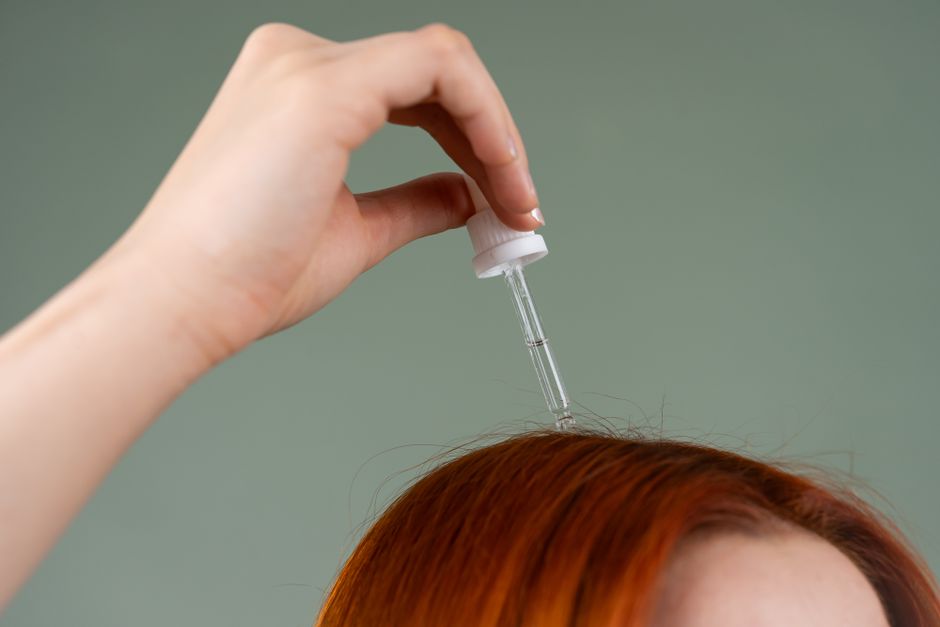
A sore spot on your scalp that hurts when you touch it, brush your hair, or lie down is usually a localized problem — not a sign that something is wrong with your whole body. The most common causes are inflammation around a single hair follicle, a small skin infection, or irritation from a hair product. Less often, it reflects a nerve issue or a skin condition that needs a doctor’s diagnosis.
Location matters. A tender bump right at the base of a hair, a scaly patch, or pain that follows a line across the scalp all point to different causes. Paying attention to what the spot looks like and how it feels helps narrow down what is going on.
Why Is My Scalp Sore In One Spot?
A single sore spot almost always means something local is happening in that patch of skin. The scalp has a dense network of hair follicles, oil glands, blood vessels, and nerve endings packed into a small area. When one follicle gets inflamed, or one small section of skin reacts, the pain can feel surprisingly sharp for such a small area.
The most frequent cause is folliculitis — inflammation of one or more hair follicles. It often starts as a small red bump or pimple at the base of a hair. It can be triggered by friction, sweating, a blocked follicle, or bacteria that normally live on the skin getting into the follicle.
Other common causes of one localized sore spot include:
- A small skin infection or boil (a deeper, more painful infected follicle)
- Contact irritation from a shampoo, dye, or styling product
- A cyst or pilar cyst that has become inflamed
- A patch of seborrheic dermatitis, which is scaly and sometimes tender
- An insect bite or a minor injury you did not notice
- A nerve-related pain such as occipital neuralgia, which tends to follow a path rather than sit in one round spot
Notice the pattern. Most of these are surface or follicle problems. A few involve nerves or deeper tissue. The look of the spot — bump, scale, redness, or nothing visible at all — is the fastest way to tell them apart.
What Does It Mean If The Sore Spot Has A Bump?
A visible bump plus pain usually points to a follicle or a small pocket under the skin. Folliculitis is the classic example: a tender red bump centered on a hair. If the bump is larger, firmer, and more painful, it may be a boil, which is a deeper infection of the follicle and surrounding tissue.
A smooth, firm lump that has been there a while and only recently became sore is often a pilar cyst. These are common on the scalp. They are usually painless until they become inflamed or infected, at which point they turn tender and sometimes red.
Acne on the scalp can also produce tender bumps, especially along the hairline. So can a condition called dissecting cellulitis of the scalp, which is uncommon but causes painful lumps and can lead to scarring and hair loss. That one needs medical care.
One useful distinction: if the bump moves with the skin and sits right at a hair, think follicle. If it feels like a firm ball under the skin that you can move around a little, think cyst.
What If There Is No Bump — Just Pain?
Pain without any visible bump is a different story, and it often points toward nerves rather than skin. The scalp is supplied by several nerves, including the occipital nerves at the back of the head. When one of these is irritated or inflamed, it can cause a sharp, burning, or shooting pain in a specific area.
This pattern is called occipital neuralgia. The pain typically follows the path of the nerve rather than sitting in one round spot, and the scalp can feel tender to the touch. Some people also notice pain behind the eye on the same side. It can be triggered by neck tension, injury, or prolonged head positioning, though often no clear cause is found.
Other possibilities for pain without a visible spot include:
- Muscle tension in the neck and scalp
- Referred pain from a neck problem
- An early stage of a skin problem that has not yet become visible
- Shingles, which can cause burning pain before a rash appears
Shingles is worth knowing about. It usually affects one side of the body and follows a nerve path. Pain can start days before any rash shows up, which makes early stages easy to miss.





When Could A Sore Scalp Spot Be Something More Serious?
Most sore spots are not dangerous. But a few signs mean you should see a doctor rather than wait it out.
- The spot keeps growing or changes shape over weeks
- It bleeds, crusts, or will not heal
- You have a new or changing mole or sore that does not resolve
- The pain spreads or gets much worse
- You have fever, chills, or the area becomes hot and swollen
- Hair is falling out in that specific area
- You have numbness, weakness, or vision changes
Skin cancer can appear on the scalp, and because the scalp is often covered by hair, it can go unnoticed. A sore that does not heal, a scaly patch that persists, or a changing growth should be checked. This is not common, but it is the reason a non-healing spot deserves attention rather than a wait-and-see approach.
An infection that spreads — spreading redness, swelling, or fever — needs prompt care. Rarely, a scalp infection can spread deeper, and that becomes a more serious problem.
What Usually Helps A Sore Scalp Spot?
What helps depends entirely on the cause, which is why guessing at treatment can backfire. A bacterial folliculitis may respond to keeping the area clean and avoiding irritation, and some cases need prescription treatment. A fungal cause needs a different treatment than a bacterial one. A cyst that is inflamed may need to be drained by a doctor.
General steps that are reasonable for mild irritation:
- Stop using new or harsh hair products until the spot settles
- Avoid scratching, picking, or squeezing the area
- Wash gently with a mild shampoo and avoid tight hats or hairstyles that pull
- Keep the area clean and dry
Do not squeeze a painful bump. Squeezing can push infection deeper and make things worse. If the spot is not improving after a week or two, or if it is getting worse, see a doctor. A clinician can tell the difference between folliculitis, a cyst, a fungal infection, and other causes — and those need different treatments.
Some clinicians recommend warm compresses for a tender bump to help it drain, but this is common practice rather than something strongly confirmed by trials. It is reasonable and low-risk, but it is not a guaranteed fix.
How Is A Sore Scalp Spot Diagnosed?
Diagnosis usually starts with a look. A doctor examines the spot, checks the surrounding skin and hair, and asks how long it has been there and whether anything makes it better or worse. Many causes can be identified this way.
If the cause is not clear, a doctor may:
- Take a small sample of skin or fluid to check for bacteria or fungus
- Perform a skin biopsy, removing a tiny piece of tissue to examine under a microscope
- Order imaging if a nerve problem is suspected
A biopsy is the most reliable way to rule out serious skin conditions. It is a minor procedure and often the fastest way to get a clear answer when the diagnosis is uncertain.
Can A Sore Scalp Spot Be Prevented?
Not all causes are preventable, but some are. Folliculitis and irritation are often linked to habits you can change.
- Avoid tight hairstyles that pull on the scalp for long periods
- Wash your hair regularly, especially after sweating
- Rinse shampoo and conditioner out completely
- Limit heavy oils, gels, and pomades that can clog follicles
- Avoid sharing combs, brushes, or hats
- Keep any known skin conditions, like dandruff or seborrheic dermatitis, managed
If you shave or cut your hair close, using a clean blade and going with the direction of hair growth can reduce irritation. Razor bumps on the scalp are a form of folliculitis.
Bottom Line
A sore spot on the scalp in one place is usually a local issue — most often folliculitis, a small infection, or irritation. Pay attention to whether there is a bump, whether it is scaly, and whether the pain follows a nerve path. Most mild cases settle with gentle care and by removing the trigger. Anything that grows, bleeds, does not heal, or comes with fever or spreading redness should be checked by a doctor.
Frequently Asked Questions
Why is my scalp sore in one spot when I touch it?
The most common cause is inflammation around a single hair follicle, often called folliculitis, which makes that spot tender to the touch. Nerve irritation can also cause one-sided scalp tenderness without any visible bump.
Should I be worried about a sore spot on my scalp?
Most sore spots are not serious and improve with gentle care. See a doctor if the spot grows, bleeds, does not heal, or comes with fever or spreading redness.
Can a sore scalp spot be a sign of cancer?
Skin cancer can appear on the scalp, but it is an uncommon cause of a single sore spot. A sore that does not heal, a changing growth, or a persistent scaly patch should be checked by a doctor.
How long should a sore scalp spot last before I see a doctor?
If a sore spot is not improving after about a week or two, or if it is getting worse, it is reasonable to have it looked at. A doctor can tell the difference between causes that need different treatments.
