
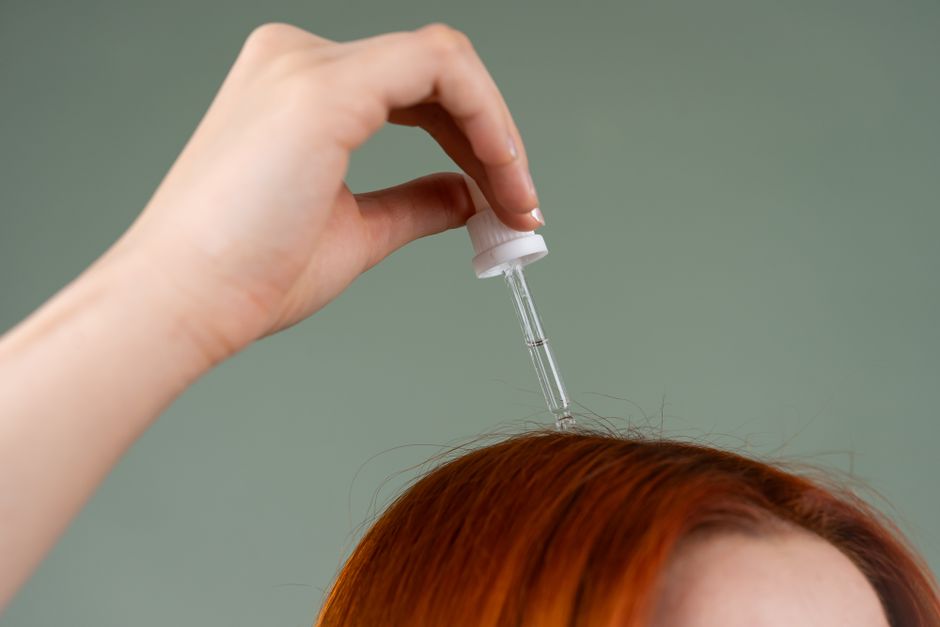
An oily scalp is usually not a hygiene problem. It is a sign that your sebaceous glands — the tiny oil-producing glands attached to hair follicles — are working hard, and several factors can push them to work harder. The main drivers are genetics, hormones, and how you treat your scalp and hair day to day. Most people can reduce the oiliness by adjusting a few habits, though some cases need a doctor’s help.
Here is what is actually happening, what makes it worse, and which fixes hold up.
Why Is My Scalp So Oily? Causes And Real Fixes
Your scalp produces oil through sebaceous glands. This oil, called sebum, is a mix of fats and waxes. It is not a flaw. Sebum coats the skin and hair, helps hold in moisture, and supports the skin’s barrier. Problems start when the glands produce more than your scalp needs, or when oil builds up faster than it is removed.
Sebaceous glands are dense on the scalp — more so than on most other parts of the body. That is why the scalp gets oily faster than, say, your arms. Oil production is controlled mainly by hormones, especially androgens such as testosterone and its more active form, DHT. Androgen activity is largely set by your genes, which is why oiliness often runs in families.
That genetic and hormonal foundation explains a lot. It also explains why a strong shampoo alone sometimes does not fully solve the problem. You can manage oil, but you cannot switch off the glands that make it.
What Makes an Oily Scalp Worse?
Several everyday factors add to the oil your glands already produce. Some are within your control. Others are not.
Hormones and age
Androgens drive sebum production. During puberty, oiliness often rises sharply. Some women notice oilier hair around their period or during pregnancy as hormone levels shift. These changes are normal and usually temporary.
Genetics
If a parent had oily skin and hair, you are more likely to as well. This is one of the strongest influences and one you cannot change.
Overwashing and harsh products
This one surprises people. Washing too often with strong, stripping shampoos can remove oil so aggressively that the scalp responds by producing more. The effect is not unlimited, but it can create a cycle of oiliness that feels impossible to break. Very hot water and heavy scrubbing can irritate the scalp too.
Conditioner and styling products on the scalp
Conditioner is meant for the hair, not the scalp. Applying it close to the roots, or layering heavy gels, oils, and pomades on the scalp, adds to the oil already there. Product buildup can also make hair look greasy faster between washes.
Touching your hair
Running your hands through your hair moves oil from your fingers and from the scalp down the hair shaft. It also stimulates the scalp. Frequent touching makes hair look oily sooner.
Heat, humidity, and sweat
Warm, humid weather and heavy sweating add moisture and oil to the scalp. Sweat itself is mostly water, but it mixes with sebum and can make hair feel greasy.
Is an Oily Scalp a Sign of a Health Problem?
Usually not. For most people, an oily scalp is a normal variation, not a disease. But oiliness can accompany certain skin conditions, and those deserve attention.
Seborrheic dermatitis is a common condition that causes flaking, redness, and itching, often along the hairline and in the eyebrows. It is linked to a yeast that lives on the skin, Malassezia, and to how the skin reacts to it. Oily skin and seborrheic dermatitis often occur together, but one does not simply cause the other.
If your scalp is oily along with persistent redness, itching, flaking, or sores, see a doctor or dermatologist. These symptoms can have more than one cause, and a proper exam is the only reliable way to tell them apart. Do not assume it is just oiliness.
How Often Should You Wash Oily Hair?
Daily washing is fine for most people with oily hair. The old advice that washing every day damages the scalp does not hold up well. For many people with an oily scalp, washing more often — even daily — keeps oil in check without harm.
How often you wash is personal. If your hair looks greasy by the end of the day, washing daily is reasonable. If you have drier hair or a sensitive scalp, you may do better washing less often.
What matters more than frequency is the product and the method. A gentle shampoo suited to oily hair, warm (not scalding) water, and a focus on the scalp rather than the ends will do more than simply washing less.
What Actually Helps an Oily Scalp?
The fixes that work target both oil removal and oil production. No product stops sebum entirely, but these steps make a real difference for most people.
- Wash the scalp, not just the hair. Massage shampoo into the scalp with your fingertips. Rinse thoroughly. Leftover product adds to the greasy look.
- Use a shampoo made for oily hair. Clarifying or oil-control shampoos help remove buildup. If you use a strong one, watch for dryness and adjust.
- Keep conditioner off the scalp. Apply it from the mid-lengths to the ends only.
- Skip heavy products on the roots. Use styling products sparingly and keep them away from the scalp when you can.
- Rinse after sweating. If you exercise or sweat heavily, a quick rinse helps.
- Clean your brushes and pillowcases. Oil and product collect on them and transfer back to your hair.
- Try not to touch your hair during the day. Small habit, noticeable difference.
Some people find that a medicated shampoo containing ingredients like ketoconazole, zinc pyrithione, or salicylic acid helps, especially if flaking is present. These are available over the counter or by prescription. If you are unsure which is right for you, a pharmacist or doctor can advise. No single ingredient works for everyone.
Do Home Remedies for Oily Scalp Work?
The evidence for most home remedies is limited. Some are harmless and may help a little. Others can make things worse.
Rinses made with diluted apple cider vinegar are popular. There is no strong clinical evidence that they reduce oil production, and undiluted vinegar can irritate the scalp. If you try it, dilute it well and stop if you notice irritation.
Applying oil — coconut, olive, or otherwise — to an already oily scalp generally adds to the problem rather than fixing it. Oils can be useful for dry hair ends, but they are not a treatment for an oily scalp.
Clay masks and similar products may absorb some surface oil temporarily. They do not change how much oil your glands produce. Treat them as a short-term cosmetic fix, not a solution.
When to See a Doctor
See a doctor or dermatologist if your scalp is oily along with symptoms that do not improve with basic care. These include persistent itching, redness, flaking that does not respond to shampoo, sores, or hair loss.
These signs can point to conditions such as seborrheic dermatitis or other skin problems. A doctor can examine your scalp, tell you what is going on, and recommend treatment. Do not self-treat persistent symptoms with stronger and stronger shampoos without knowing the cause.
Frequently Asked Questions
Why is my scalp so oily even after washing?
Your glands keep producing oil after you wash, and leftover conditioner or product can add to the greasy look. Washing the scalp thoroughly and keeping conditioner off the roots usually helps.
Does washing my hair every day make it oilier?
For most people with oily hair, washing daily is fine and does not make oiliness worse. Very harsh, stripping shampoos used too aggressively can irritate the scalp, so a gentle formula is a better choice.
Can an oily scalp cause hair loss?
An oily scalp by itself does not cause hair loss. If you notice thinning or shedding along with scalp symptoms, see a doctor, because hair loss has several possible causes.
What is the best shampoo for an oily scalp?
There is no single best shampoo. Clarifying or oil-control shampoos help most people, and medicated options may help if flaking is present. A pharmacist or doctor can help you choose.
