
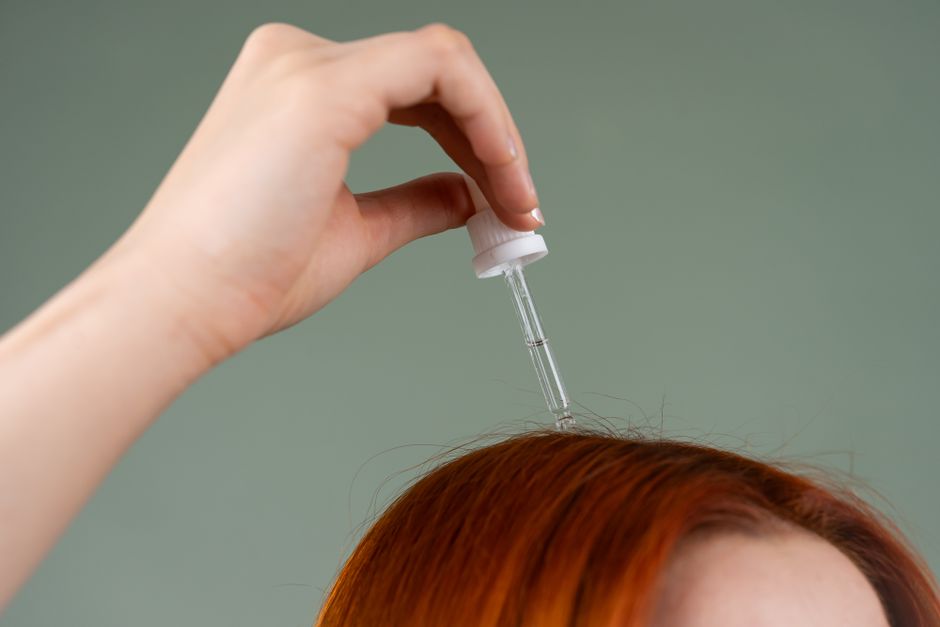
A red, itchy scalp is usually a sign of inflammation in the skin of your scalp. The most common causes are seborrheic dermatitis (dandruff), contact dermatitis from hair products, scalp psoriasis, and fungal infections like tinea capitis. Less often, it can point to an allergic reaction, a skin condition such as lichen planus, or head lice. Most cases are not serious, but the right cause matters because each one responds to different treatment.
Your scalp is skin, and it reacts to irritation and inflammation much like skin anywhere else. The difference is that hair traps oils, sweat, and product residue against the surface. That environment makes certain conditions more likely and harder to clear.
Why Is My Scalp Red And Itchy Common Causes?
Four conditions account for most red, itchy scalps. Each has a distinct pattern, which is often the fastest way to tell them apart.
Seborrheic dermatitis is the most common cause of an itchy, flaky scalp. It shows up as redness with greasy, yellowish scales, often at the hairline, behind the ears, and around the eyebrows. A yeast called Malassezia lives on everyone’s scalp. In some people, the skin reacts to it with inflammation. Seborrheic dermatitis is not caused by poor hygiene, and it is not contagious. It tends to come and go, and it often flares with stress or cold, dry weather.
Contact dermatitis happens when something you put on your scalp irritates the skin or triggers an allergy. Shampoos, dyes, relaxers, and styling products are common culprits. The redness usually appears where the product touched the skin, and it may burn or sting as well as itch. Irritant reactions can start within hours. Allergic reactions often take a day or two to develop the first time.
Scalp psoriasis produces well-defined red patches covered with thick, silvery-white scales. It often extends past the hairline onto the forehead, neck, or behind the ears. Psoriasis is an immune-mediated condition, not an infection, and it is not contagious. It can itch intensely, and scratching can cause bleeding.
Scalp ringworm (tinea capitis) is a fungal infection, not a worm. It causes scaly, red patches where hair may break off or fall out. It is most common in children but does occur in adults. Unlike the other conditions on this list, ringworm requires prescription antifungal treatment taken by mouth. Over-the-counter creams usually do not clear it because the infection sits deep in the hair follicles.
How Can You Tell These Conditions Apart?
The pattern of scaling and where the redness sits are the most useful clues. A doctor can confirm the diagnosis, and for ringworm a simple scraping test can settle it.
| Condition | Scale appearance | Typical location | Key feature |
|---|---|---|---|
| Seborrheic dermatitis | Greasy, yellowish | Hairline, behind ears, eyebrows | Flakes loosen easily; comes and goes |
| Contact dermatitis | Variable, sometimes weeping | Where product touched skin | Burning or stinging; recent new product |
| Scalp psoriasis | Thick, silvery-white | Well-defined patches, often past hairline | Can bleed when scratched; may affect nails |
| Ringworm | Fine and scaly | Patches with broken hairs | Hair loss in the patch; needs oral antifungal |
One clarification worth knowing: dandruff and seborrheic dermatitis are the same underlying process. Dandruff is the mild end. When redness and inflammation join the flaking, it is called seborrheic dermatitis.
What Else Can Cause a Red, Itchy Scalp?
Beyond the four main causes, several other conditions can produce similar symptoms. These are less common but worth knowing if standard dandruff shampoos have not helped.
- Head lice cause intense itching, especially behind the ears and at the back of the neck. You may see tiny eggs (nits) stuck to hair shafts or live lice close to the scalp.
- Folliculitis is inflammation of the hair follicles, often from bacteria or from shaving. It looks like small red bumps or pimples around the base of hairs.
- Allergic reactions to hair dye, especially those containing certain chemicals, can cause redness, swelling, and itching that may spread beyond the scalp.
- Lichen planus is an inflammatory condition that can cause redness, scaling, and sometimes permanent hair loss on the scalp. It is uncommon and needs a doctor’s evaluation.
- Dry scalp from cold weather or overwashing causes flaking and mild itch, but true redness is less typical. Dry scalp and dandruff are often confused, yet they need opposite approaches.
If you have tried a dandruff shampoo for several weeks with no improvement, or if you notice hair loss, pus, or spreading redness, that is a reason to see a doctor rather than keep guessing.





When Should You See a Doctor About a Red, Itchy Scalp?
Most red, itchy scalps are not urgent. Some signs do warrant a medical visit, and a few warrant prompt attention.
See a doctor if the itching is severe enough to disturb sleep, if you have patches of hair loss, or if the redness spreads or feels hot and tender. These can point to infection or a condition that needs prescription treatment.
Get care quickly if you develop fever, swelling of the face, or a rash that spreads rapidly. These are uncommon with scalp conditions but can signal a more serious reaction or infection.
A dermatologist can examine the scalp directly and, when needed, take a small scraping to check for fungus. That test is quick and can save months of trying the wrong shampoo.
What Helps a Red, Itchy Scalp?
Treatment depends entirely on the cause, which is why an accurate diagnosis matters. Using the wrong product can make things worse. What follows is general information, not a personal treatment plan.
For seborrheic dermatitis, medicated shampoos are the mainstay. Ingredients like zinc pyrithione, ketoconazole, selenium sulfide, and coal tar are available over the counter or by prescription. Some clinicians suggest leaving the shampoo on the scalp for a few minutes before rinsing, though how long and how often varies by product and should follow the label. These shampoos control symptoms rather than cure the condition, and flares often return when you stop.
For contact dermatitis, the fix is stopping the product that caused it. Mild cases often settle on their own once the trigger is removed. Persistent or severe reactions may need a doctor’s care.
For scalp psoriasis, treatment usually involves medicated shampoos, topical corticosteroids, or other prescription therapies. Psoriasis is a chronic condition, so the goal is management, not a permanent cure.
For ringworm, oral antifungal medication prescribed by a doctor is the standard treatment. Topical treatments alone are generally not enough for scalp infections.
For head lice, over-the-counter or prescription treatments are available, and the label directions matter. Some lice have developed resistance to certain treatments, so a doctor or pharmacist can advise if the first attempt fails.
What Everyday Habits Help or Hurt?
Gentle scalp care supports most treatments, but no routine will fix a condition that needs medication. A few habits make a real difference.
Wash your hair with a mild shampoo and avoid scratching, which can break the skin and invite infection. Rinse thoroughly after washing to remove product residue. If you color or chemically treat your hair, do a patch test first, and give your scalp a break between treatments.
Manage stress where you can. Stress does not cause seborrheic dermatitis or psoriasis, but it is a well-recognized trigger for flares in people who already have them. Cold, dry weather can do the same.
Be skeptical of claims that a single product cures all scalp problems. Redness and itching have several distinct causes, and a product marketed for dandruff will not help ringworm or psoriasis. No clinical evidence currently confirms that any one shampoo treats every cause.
Does Diet or Lifestyle Play a Role?
The evidence linking diet to scalp conditions is limited and mixed. No specific food has been proven to cause or cure seborrheic dermatitis or psoriasis in most people.
Some studies suggest that certain dietary patterns may influence inflammation in psoriasis, but results vary and no diet has been established as a treatment. If you suspect a food triggers your symptoms, a doctor can help you evaluate that safely rather than cutting out foods on your own.
For most people, the more reliable levers are treating the underlying condition, avoiding triggers, and keeping the scalp clean without over-washing.
Frequently Asked Questions
Why is my scalp red and itchy?
The most common causes are seborrheic dermatitis, contact dermatitis, scalp psoriasis, and fungal infection. A doctor can usually tell them apart by the pattern of scaling and redness.
Is a red, itchy scalp a sign of dandruff?
It can be, since dandruff and seborrheic dermatitis are the same condition at different severity. Redness and inflammation suggest seborrheic dermatitis rather than simple flaking.
Can a red, itchy scalp cause hair loss?
Yes, some causes can lead to hair loss, including ringworm and lichen planus. Seborrheic dermatitis and psoriasis usually do not cause permanent loss, but scratching can damage hair.
When should I see a doctor for an itchy scalp?
See a doctor if itching disturbs sleep, you notice hair loss, or the redness spreads or feels hot. A scraping test can confirm whether fungus is involved.
