
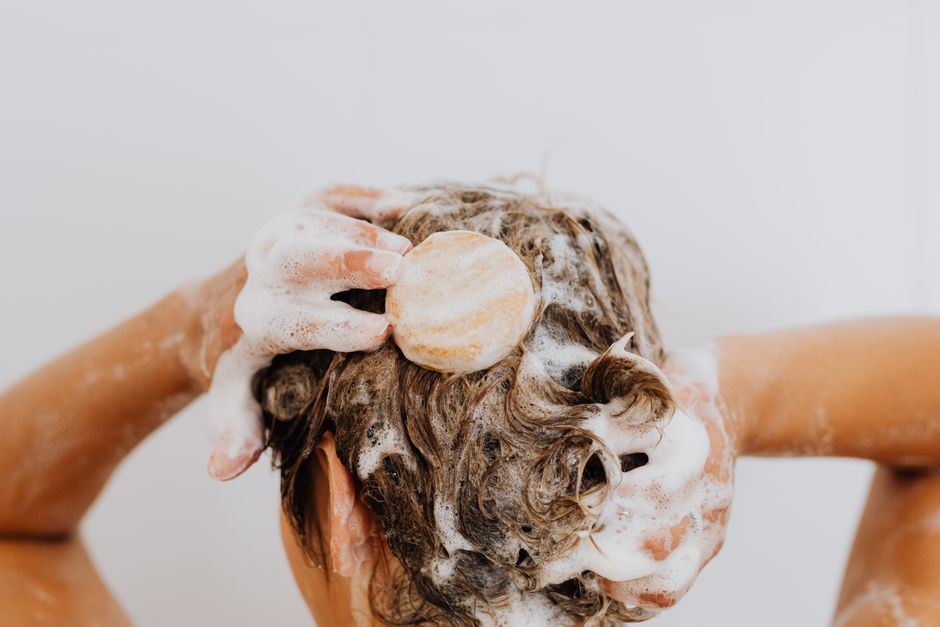
An itchy scalp right after you step out of the shower is a common and frustrating problem. The reason usually comes down to how your skin reacts to water, temperature, and the products you use. For most people, the cause is either dry skin, a reaction to shampoo ingredients, or the hardness of your water itself. Understanding which one is triggering your scalp is the first step to stopping the itch.
Why Is My Scalp Itchy After Showering? The Main Causes
The most frequent culprit is simple dryness. Hot water strips the natural oils from your scalp. When those protective oils are gone, the skin loses moisture and becomes tight and itchy. This is especially common in winter or if you already have naturally dry skin.
Another major cause is contact irritation from hair products. Your shampoo, conditioner, or styling products contain chemicals that can irritate sensitive skin. This is different from a true allergy. It is an irritant reaction, and it happens because the product disrupts the skin’s natural barrier.
Hard water is a third possibility. Hard water contains high levels of calcium and magnesium. These minerals can build up on the scalp and hair. This buildup can clog hair follicles and leave a residue that dries out the skin, leading to persistent itching.
How Hot Water Damages Your Scalp Barrier
Your scalp has a protective outer layer called the stratum corneum. This layer holds in moisture and keeps irritants out. Very hot water breaks down the lipids, or fats, in this layer. Once that barrier is weakened, water escapes and irritants get in.
The result is a cycle. Your scalp loses water, so it becomes dry. The dryness triggers inflammation, which causes itching. Scratching then damages the skin further, making the barrier even weaker. This is why the itch often feels worse after you dry off than while you are still in the shower.
Warm water is safer than hot water. It cleans just as effectively without stripping away the oils your skin needs. If you routinely shower with water that is too hot, you are likely contributing to the problem without realizing it.
Shampoo Ingredients That Trigger Itching
Sodium lauryl sulfate, or SLS, is a common detergent in many shampoos. It creates the rich lather people expect, but it is also a known skin irritant. For people with sensitive skin, SLS can cause redness, dryness, and itching after every wash.
Fragrances are another frequent trigger. The word “fragrance” on an ingredient list can hide dozens of different chemical compounds. Some of these are sensitizers, meaning they can cause irritation even if you have used the product for months without a problem.
Preservatives like methylisothiazolinone, sometimes listed as MI, are also linked to contact dermatitis. This is a delayed reaction that can appear hours after washing. If your scalp itches most intensely in the evening after a morning shower, a preservative reaction may be the cause.
If you suspect your shampoo is the problem, switch to a mild, fragrance-free formula designed for sensitive skin. Look for products that list their ingredients clearly and avoid the ones mentioned above. Give the new product at least two weeks before judging whether it helps.





Hard Water and Mineral Buildup on the Scalp
Hard water is a regional issue. If you live in an area with high mineral content in the water supply, you may notice a filmy feeling on your hair after washing. That film is mineral residue, and it does not rinse off easily.
This residue can build up over time. It coats the hair shaft and sits on the scalp surface. The minerals themselves are not toxic, but they can trap other irritants against your skin. They also make it harder for shampoo to lather, which leads people to use more product, which creates more buildup.
Some research suggests that hard water can make existing skin conditions like eczema worse. The evidence is not conclusive, but many dermatologists observe that patients in hard water areas report more scalp irritation. If you suspect hard water, a shower filter that removes minerals may help. These filters are not a guaranteed fix, but they are a low-cost option worth trying.
Underlying Skin Conditions That Cause Post-Shower Itch
Sometimes the itching is not caused by the shower itself. The shower just makes an existing condition more noticeable. Water and heat increase blood flow to the skin, which can intensify sensations like itching.
Seborrheic dermatitis is one of the most common scalp conditions. It causes flaky, greasy patches and redness. The yeast that contributes to this condition thrives in warm, moist environments, which is exactly what your scalp is like during a shower.
Psoriasis is another possibility. It causes thick, silvery scales and intense itching. Heat can aggravate psoriasis plaques, making them feel more irritated after washing.
Eczema, or atopic dermatitis, can also affect the scalp. People with eczema generally have a weaker skin barrier. They are more sensitive to water temperature and product ingredients than people without the condition.
If you have visible flakes, redness, or patches of thickened skin, do not assume it is just dry skin. These signs point to a condition that may need specific treatment. A dermatologist can examine your scalp and tell you exactly what you are dealing with.
How to Stop the Itch After Your Next Shower
Start by changing the water temperature. Keep it warm, not hot. If your skin turns pink or red in the shower, the water is too hot.
Rinse your hair thoroughly. Leftover shampoo or conditioner residue can dry on the scalp and cause itching later. Many people do not rinse long enough. Spend an extra minute making sure your hair squeaks clean.
Pat your scalp dry instead of rubbing it with a towel. Rubbing removes more moisture and irritates the skin surface. A soft towel pressed gently against your head will absorb water without causing friction.
Apply a gentle moisturizer to your scalp while it is still slightly damp. This is a common practice for dry skin on the body, but people often forget the scalp. A lightweight, fragrance-free moisturizer or a few drops of squalane oil can help lock in hydration.
If you use styling products, apply them away from the scalp. Gels, waxes, and sprays are designed for the hair shaft, not the skin. Keeping them off your scalp reduces the chance of irritation.
When to See a Doctor About an Itchy Scalp
Occasional itching after a shower is normal and usually easy to fix. Persistent itching is different. If your scalp itches every day, or if the itch keeps you awake at night, it is time to get medical advice.
See a doctor if you notice any of the following signs:
- Visible sores, scabs, or bleeding from scratching
- Hair loss or thinning patches
- Flaking that does not improve with regular shampooing
- Redness or swelling that spreads beyond your hairline
- Itching that does not respond to changes in your routine after several weeks
A doctor can determine whether you have a fungal infection, a skin condition like psoriasis, or something else entirely. Treatments differ for each condition, so an accurate diagnosis matters. Over-the-counter dandruff shampoos will not help if the problem is contact dermatitis or psoriasis.
Do not ignore persistent scalp itching. Chronic scratching can lead to secondary infections. The skin on your scalp is like skin anywhere else. If it is broken and irritated, bacteria can enter and cause an infection that requires medical treatment.
Preventing Itchy Scalp Before You Shower
Prevention starts before you turn on the water. Adjusting your shower habits can make a significant difference over time.
Limit your showers to about ten minutes. Longer showers mean more water exposure and more oil stripping. Ten minutes is plenty of time to clean your body and hair thoroughly.
Use lukewarm water even when you are tempted to go hot. The steam and heat feel relaxing, but your scalp pays the price. If you cannot give up hot showers entirely, at least keep your hair and scalp out of the direct hot stream.
Wash your hair less frequently. Most people do not need to shampoo every day. Washing two to three times per week is enough for most hair types. On off days, rinse with water only or use a shower cap to keep your hair dry.
Choose your hair products carefully. The fewer ingredients, the fewer chances for irritation. A simple shampoo without fragrance, dyes, or harsh sulfates is the safest option for sensitive scalps.
Frequently Asked Questions
Why does my scalp itch more after I dry my hair?
Rubbing your scalp with a towel removes moisture and irritates the skin surface. Pat your hair dry gently instead of rubbing to reduce the itch.
Can changing my shampoo stop the itching?
Yes, if the itch is caused by an ingredient in your current shampoo. Switch to a fragrance-free, sulfate-free formula and use it for two weeks to see if symptoms improve.
Is an itchy scalp after showering a sign of dandruff?
Not necessarily. Dandruff causes visible flakes, but itching alone can be from dry skin, hard water, or product irritation. Look for flaking to distinguish dandruff from other causes.
Does washing my hair less often help with an itchy scalp?
It can help if over-washing is drying out your scalp. Reducing your washes to two or three times per week gives your natural oils time to replenish.
