
Rice bubbling while it cooks is completely normal. It happens because starch and water react to heat in a specific way. The bubbles are steam pushing through the thickening liquid around the grains. Understanding why this happens helps you cook better rice and avoid messy boil-overs.
What Causes Rice to Bubble and Foam?
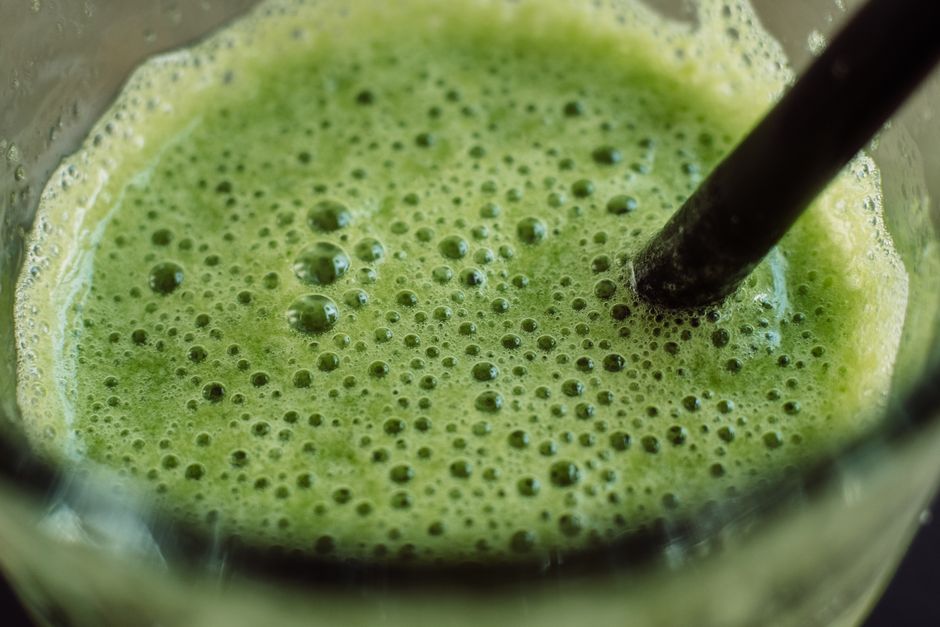
Rice releases starch into the cooking water as it heats. This starch dissolves and makes the water thicker. When the water reaches a boil, steam bubbles form. Normally these bubbles pop quickly. But the starch changes the surface tension of the water, so the bubbles stretch and grow instead of popping.
The result is a foamy layer on top of your pot. As more steam pushes up, the foam rises. If the pot is too small or the heat is too high, the foam climbs over the edge. That is the bubbling you see — a starchy foam driven by steam pressure.
Different types of rice release different amounts of starch. White rice releases more surface starch than brown rice because milling removes the bran layer that holds starch in place. Short-grain rice like sushi rice tends to foam more than long-grain varieties like jasmine or basmati. Rinsing removes this loose surface starch before cooking.
Is Bubbling a Sign of Something Wrong?
No. Bubbling is expected during rice cooking. It does not mean the rice is spoiled, unsafe, or cooking incorrectly.
The only real problem is when the foam boils over. A boil-over wastes water, changes the rice-to-water ratio, and makes a mess on your stovetop. If too much water escapes, the rice can end up undercooked or crunchy in the center. If you lose a large amount of water, the rice may also stick to the bottom of the pot and burn.
Bubbling itself is not a warning sign. It is a predictable part of cooking any starchy grain. The issue is managing it so the pot stays under control.
Why Does My Rice Bubble Over the Pot?
Three factors cause boil-overs: starch content, pot size, and heat level.
Starch is the main driver. More starch in the water means thicker bubbles that hold together longer. When the pot is too small, the foam has nowhere to go but up and over. High heat makes the problem worse because it produces more steam in a shorter time.
The type of pot matters too. A narrow, tall pot traps foam more easily than a wide, shallow one. A wider pot gives the foam more surface area to spread across, which lets bubbles pop faster. The water level also matters. Filling the pot more than halfway leaves little room for foam to rise.
Some cooking methods create more foam than others. The boiling method — cooking rice in excess water and draining it — produces the most foam because there is more water and starch movement. The absorption method, where rice soaks up all the water, produces less foam because the liquid thickens more gradually.



How to Stop Rice From Bubbling Over
The most effective fix is rinsing the rice before cooking. Rinse rice under cold running water until the water runs clear. This washes away the loose surface starch that creates foam. For most white rice, this takes about 30 seconds of rinsing and stirring with your hand.
Use a pot large enough for the rice to expand. A good rule is to use a pot at least three times the volume of the rice and water combined. This gives the foam room to rise without reaching the rim.
Leave the lid slightly ajar when the rice first comes to a boil. This lets steam escape and reduces pressure inside the pot. You can also place a wooden spoon across the top of the pot. The spoon breaks the surface tension of the foam, causing bubbles to pop before they climb the sides.
Lower the heat once the water reaches a rolling boil. Rice does not need a violent boil to cook properly. A gentle simmer is enough. Turn the heat down to low and cover the pot with a tight-fitting lid. This keeps the temperature steady while reducing steam production.
Adding a small amount of oil or butter to the cooking water can also help. Fat breaks up the foam structure, similar to how a wooden spoon works. About a teaspoon of oil per cup of rice is enough. This does not change the taste significantly and does not affect how the rice cooks.
Does Bubbling Mean the Rice Is Cooking Correctly?
Some bubbling is a sign that the water is at the right temperature for cooking. The water needs to be hot enough to gelatinize the starches in the rice. Gelatinization is the process where starch granules absorb water, swell, and soften. This is what turns hard, raw rice into tender, cooked rice.
Gelatinization begins around 154°F (68°C) for rice starch. The water in your pot must reach this temperature for the rice to cook through. Visible bubbling tells you the water is hot enough.
However, bubbling does not tell you when the rice is done. The only reliable way to know is time and texture. Most white rice cooks in 15 to 20 minutes using the absorption method. Brown rice takes longer, usually 40 to 50 minutes, because the bran layer slows water penetration. Check the rice by tasting a few grains near the end of the cooking time.
What If My Rice Bubbles and Smells Odd?
Bubbling with a sour or fermented smell is different. That can signal spoilage.
Raw rice can contain naturally occurring bacteria and spores. These are usually harmless and die during cooking. But if rice was stored improperly or for too long, bacteria can multiply. A sour smell during cooking may mean the rice has started to ferment.
Cooked rice left at room temperature for more than two hours can develop Bacillus cereus, a bacteria that causes food poisoning. This is not a bubbling issue specifically. It is a food safety issue. Always refrigerate leftover cooked rice within two hours of cooking. Reheat it thoroughly to 165°F (74°C) before eating.
If your rice smells sour, bitter, or musty before cooking, throw it out. Do not taste it to check. Trust your nose.
Does the Type of Rice Change How Much It Bubbles?
Yes. Rice varieties differ in starch composition, and that changes foaming behavior.
Arborio rice, used for risotto, has high amylopectin content. Amylopectin is a highly branched starch molecule that thickens liquid quickly and creates heavy foam. This is why risotto requires constant stirring — it prevents the starches from settling and burning while managing the thick, bubbling liquid.
Jasmine and basmati rice have lower amylopectin and higher amylose content. Amylose is a linear starch molecule that gels more firmly and produces less foam. These rice types bubble less and are easier to cook without boil-overs.
Instant or parboiled rice has been partially cooked and dried. This process changes the starch structure, so these rice types produce very little foam. They are the least likely to bubble over.
Brown rice keeps its bran layer, which contains fiber and oils. The bran slows water absorption but does not add much foam. Brown rice bubbles less than white rice but takes longer to cook.
Can You Cook Rice Without Any Bubbling?
No. Some bubbling is unavoidable because cooking rice requires heat, water, and starch. The bubbles are a physical result of steam moving through a starchy liquid.
You can reduce bubbling significantly with the methods above. Rinsing, using a large pot, lowering heat, and adding oil all help. But you cannot eliminate bubbling entirely without changing the cooking method.
Rice cookers manage this automatically. They use a sealed heating element that regulates temperature precisely. The steam stays inside the cooker, and the foam settles back down when the heat cycles off. This is why rice cookers rarely boil over. If you consistently struggle with bubbling on the stovetop, a rice cooker solves the problem entirely.
Frequently Asked Questions
Should I rinse rice before cooking to stop bubbling?
Yes. Rinsing removes loose surface starch that causes foaming. Rinse under cold water until the water runs clear, usually about 30 seconds.
Is it safe to eat rice that bubbled over?
Yes, the rice itself is safe. The bubbling only changes the water level, which may affect texture. If too much water boiled away, the rice may be undercooked.
Does adding oil to rice water really prevent boil-overs?
Yes. A teaspoon of oil per cup of rice breaks up the foam structure. The fat reduces surface tension, so bubbles pop instead of climbing the pot.
Why does my rice bubble more than my pasta water?
Rice releases more starch into its cooking water than pasta does. Starch thickens the water and creates stronger, longer-lasting bubbles. Pasta water is thinner and its bubbles pop faster.
