
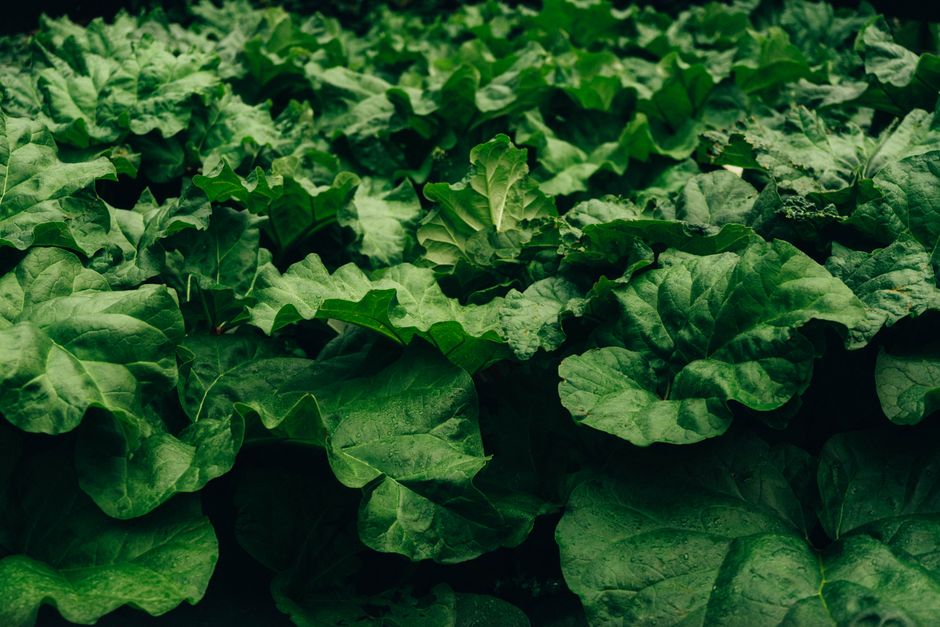
Rhubarb is one of the most forgiving perennial vegetables you can grow, which makes a sudden collapse all the more confusing. If your rhubarb is dying, the cause is usually one of a handful of problems: crown rot from soggy soil, a buried crown, drought stress, extreme heat, or a pest like the rhubarb curculio. The fix depends entirely on which of these is actually happening, so the first step is reading the symptoms carefully before you do anything.
Why Is My Rhubarb Dying How To Identify And Fix The Cause?
Rhubarb decline almost always traces back to the crown — the thick, fleshy base where the leaf stalks emerge. The crown is the plant’s engine and its weak point. If it stays too wet, it rots. If it sits too deep, it suffocates. If it dries out or cooks in the heat, the plant wilts and stalls. Pests and disease tend to move in after one of those stresses has already weakened the plant.
That’s why two rhubarb plants sitting ten feet apart can look completely different. The problem is rarely the variety. It’s the conditions around the crown.
Start with the leaves and stalks
How the plant is failing tells you a lot about why. Look at where the damage starts and how it spreads.
- Whole plant wilting despite moist soil — often crown rot or a damaged root system.
- Stalks collapsing at the base with a soft, brown, foul-smelling crown — classic rot.
- Leaves yellowing between the veins, starting on older leaves — often a nutrient issue.
- Small holes and ragged, chewed stalks — insect feeding, sometimes the rhubarb curculio.
- Leaves scorched and crispy at the edges in midsummer — heat and drought stress.
- Thin, spindly stalks that never thicken — usually an overcrowded or exhausted crown.
Match what you see to the sections below. In most cases one cause dominates, but stressed plants often collect a second problem on top of the first.
Is Crown Rot Killing My Rhubarb?
Crown rot is the single most common reason a mature rhubarb plant dies. It happens when the crown stays wet for extended periods, especially in heavy clay soil or a low spot where water pools. The tissue softens, turns brown or black, and begins to smell sour or foul.
Dig down and inspect the crown. A healthy crown is firm and pale. A rotting crown is mushy, discolored, and gives off an odor. Once rot has moved through most of the crown, the plant usually cannot be saved — but you can often salvage healthy side divisions from the edges if any firm tissue remains.
The fix is about drainage, not treatment. There is no reliable chemical cure for crown rot in home gardens. Raise the planting bed, add organic matter to improve drainage, and never let the crown sit in standing water. If your soil is heavy clay, planting on a slight mound so water runs off the crown is one of the most effective steps you can take.
Am I Planting Rhubarb Too Deep?
A buried crown is a hidden killer, and it’s easy to do by accident. Rhubarb crowns should sit so the growing buds are just at or barely below the soil surface. If the crown ends up two or three inches deep, the buds struggle to push through, moisture collects around the crown, and rot follows.
If you suspect the crown is buried, carefully brush soil away from the top until you can see the buds sitting right at the surface. You don’t need to dig the whole plant up. Just expose the crown and let it breathe.
This is one of the most overlooked causes of a rhubarb that limps along for a season or two and then dies. Gardeners often assume the plant is diseased when it’s simply smothered.
Could Heat, Drought, or Sun Be the Problem?
Rhubarb is a cool-season plant. It grows best in spring and fall and naturally slows or goes dormant in the heat of summer. That midsummer slump is normal, not a sign of death. The trouble comes when heat is combined with drought, or when a plant is grown in a spot that’s too hot and exposed.
Signs of heat and drought stress include leaves that wilt in the afternoon, crisp brown edges, and stalks that turn stringy and thin. The plant isn’t necessarily dying — it’s shutting down to survive.
To help it through:
- Water deeply during dry spells, aiming for about an inch of water per week from rain or irrigation.
- Mulch around the plant to keep roots cool and hold moisture.
- Plant where it gets sun in spring but some afternoon shade in summer, if your climate runs hot.
- Don’t harvest heavily during a heat-stress period — let the plant keep its leaves to recover.
If the crown is still firm and the plant revives in cooler weather, heat stress was likely the whole story.
What Pests and Diseases Attack Rhubarb?
Rhubarb has few serious pests, but a couple are worth knowing.
The rhubarb curculio is a snout beetle that feeds on stalks and can lay eggs in the crown. You may see small holes, oozing sap, or the beetles themselves. Handpicking and removing nearby wild dock weeds — a favorite host — can reduce their numbers. There is no widely recommended home pesticide for this pest, so physical removal and sanitation are the practical tools.
Leaf spots caused by fungi can appear as brown or purplish patches on leaves, especially in wet, humid conditions. They rarely kill a plant on their own but can weaken it. Remove affected leaves and improve airflow around the plant.
Slugs and snails chew young stalks and leaves in damp conditions. Traps and handpicking at dusk work well.
In each case, the underlying theme is the same: a healthy, well-drained, well-spaced plant resists pests and disease far better than a stressed one.
How Do I Bring a Struggling Rhubarb Plant Back?
Recovery depends on how much of the crown is still alive. If the crown is firm and only the top growth looks bad, the plant can usually bounce back with the right care.
Work through these steps:
- Check drainage first. If water pools near the plant, fix that before anything else.
- Expose the crown if it’s buried, so the buds sit at the soil surface.
- Remove dead and rotting material with a clean cut, but don’t cut into healthy crown tissue.
- Water consistently during dry spells rather than in occasional heavy soakings.
- Mulch to moderate soil temperature and moisture.
- Stop harvesting for the rest of the season so the plant can rebuild its energy reserves.
If the crown is mostly rotted and soft, the honest answer is that the plant is unlikely to recover. In that case, start fresh with a new crown in a better-drained spot, or divide off any firm, healthy sections if you can find them.
How Do I Keep Rhubarb From Dying in the First Place?
Prevention for rhubarb comes down to a few conditions it needs to thrive, and they haven’t changed much in decades of garden practice.
- Well-drained soil. This is the single most important factor. Rhubarb hates wet feet.
- Crown at the surface. Never bury the buds.
- Full sun in cool climates, partial afternoon shade where summers are hot.
- Consistent moisture, not drought-then-flood cycles.
- Good spacing so air moves around the plant and disease is less likely.
- Moderate harvest. Taking too many stalks from a young or stressed plant weakens it over time.
One clarification worth making: rhubarb leaves are high in oxalic acid and are not eaten, but the stalks are the edible part and are safe in normal food amounts. A dying plant is a growing problem, not a toxicity problem — the two are unrelated.
When Should I Give Up and Start Over?
Sometimes the kindest move is to replace the plant. If the crown is largely rotted, if the plant has declined for several seasons with no clear fix, or if it’s growing in a spot that simply can’t be drained, a new start in better conditions will beat years of nursing a failing plant.
Rhubarb is long-lived and can produce for many years when it’s happy. If yours keeps dying, the environment is the message. Fix the crown depth and the drainage, and most of the common causes disappear on their own.
Frequently Asked Questions
Why is my rhubarb wilting and dying?
The most common cause is crown rot from wet, poorly drained soil, which softens and kills the crown. Heat and drought stress can also cause wilting, but a plant that wilts in moist soil usually has a crown or root problem.
Can a dying rhubarb plant be saved?
If the crown is still firm, the plant can often recover once you fix drainage and expose the crown to the right depth. If the crown is mushy and foul-smelling, the plant usually cannot be saved and is best replaced.
Should rhubarb crowns be planted deep or shallow?
Rhubarb crowns should sit so the growing buds are just at or barely below the soil surface. Planting too deep traps moisture around the crown and is a common cause of rot and decline.
Why does my rhubarb die back every summer?
Rhubarb is a cool-season plant and naturally slows or goes dormant in summer heat. This is normal if the crown stays firm and the plant returns in cooler weather, but combined drought and heat can weaken or kill it over time.
