
Finding mucus in your puppy’s stool can be alarming, but it is a fairly common issue in young dogs. Mucus in poop is often a sign that your puppy’s digestive tract is irritated or inflamed. In many cases, the cause is minor and resolves on its own, but sometimes it signals a more serious condition that needs veterinary attention.
Why Is My Puppy Pooping Mucus Causes When To Worry?
Mucus in puppy stool is a clear sign of inflammation in the lower digestive tract. The intestines naturally produce mucus to lubricate the lining and help waste pass through. When you see visible mucus, it usually means the colon or rectum is irritated and producing extra amounts of this protective coating.
You should worry if the mucus is accompanied by blood, if your puppy is vomiting, acting lethargic, refusing food, or having frequent accidents in the house. These signs point to a more serious problem that requires prompt veterinary care. Puppies dehydrate quickly, and diarrhea combined with mucus can become dangerous fast.
Common Causes of Mucus in Puppy Stool
Several everyday issues can trigger excess mucus production in a puppy’s gut. The most frequent causes are dietary in nature or related to mild infections.
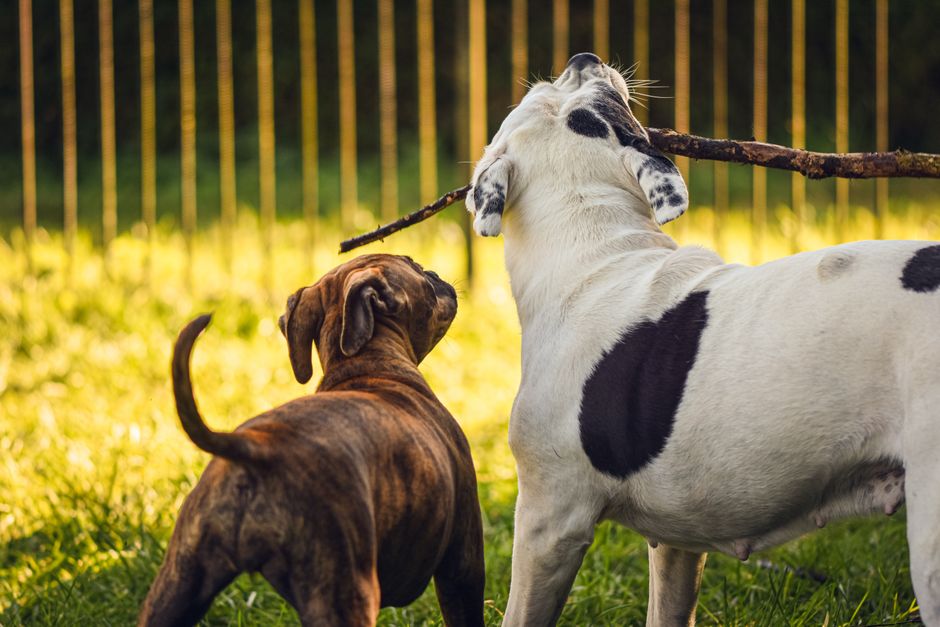
Dietary indiscretion is the top culprit. Puppies explore the world with their mouths. They eat things they should not — garbage, grass, sticks, toys, or their own feces. These foreign materials irritate the digestive tract and cause inflammation. The body responds by producing more mucus to protect the intestinal lining.
Sudden diet changes can also trigger mucus. Switching your puppy’s food too quickly does not give the digestive system time to adjust. The gut bacteria need time to adapt to new ingredients. A gradual transition over 7 to 10 days is the standard recommendation.
Intestinal parasites are another common cause, especially in young puppies. Roundworms, hookworms, whipworms, and coccidia can all irritate the intestinal lining. Puppies often contract these from their mother or from contaminated soil. Regular fecal exams and deworming are standard parts of puppy veterinary care.
Bacterial or viral infections can also produce mucus in the stool. Parvovirus is the most serious concern for puppies. This highly contagious virus attacks the intestinal lining and causes severe bloody diarrhea, vomiting, and lethargy. It is often fatal without immediate treatment.
When Mucus Signals a Serious Problem
Not all mucus is equal. The color, consistency, and accompanying symptoms matter for determining severity.
Blood in the stool is a red flag. Bright red blood mixed with mucus often indicates inflammation in the lower colon or rectum. Dark, tarry stool suggests bleeding higher up in the digestive tract. Either way, you should contact your veterinarian promptly.
Parvovirus produces a distinctive foul-smelling, bloody diarrhea that is often described as having a metallic odor. Puppies with parvovirus also vomit frequently, become lethargic, and lose their appetite. This virus is a medical emergency. Puppies under six months who are not fully vaccinated are at the highest risk.
If your puppy has any of these signs, do not wait to see if they improve on their own:
- Blood in the stool
- Vomiting
- Lethargy or weakness
- Loss of appetite
- Fever
- Frequent diarrhea or accidents in the house
- Signs of abdominal pain
Puppies can deteriorate quickly. Dehydration from diarrhea and vomiting can become life-threatening within 24 hours in very young puppies.


Mild Cases: What You Can Do at Home
If your puppy is otherwise acting normally — playful, eating well, and only passing small amounts of mucus with otherwise formed stool — you can often manage the situation at home. The key is monitoring closely.
Withhold food for 12 to 24 hours to give the digestive tract time to rest. This is a common clinical recommendation for mild digestive upset. Always provide fresh water to prevent dehydration. After the rest period, introduce a bland diet in small, frequent meals.
Bland diet options include boiled white rice mixed with boiled, skinless chicken breast or plain canned pumpkin. These foods are easy to digest and gentle on the stomach. Feed small portions several times a day rather than one large meal.
After 48 hours of bland diet, gradually transition back to your puppy’s regular food over a few days. If the mucus returns or your puppy’s condition worsens, contact your veterinarian.
Probiotics may help restore healthy gut bacteria after a bout of diarrhea. Some veterinary studies suggest they can shorten the duration of digestive upset. However, the evidence is not definitive for all probiotic strains. Ask your veterinarian for a product recommendation rather than choosing one yourself.
When to Call the Veterinarian
Some situations require professional advice even if your puppy seems otherwise fine. Puppies are more fragile than adult dogs, and their small bodies cannot tolerate fluid loss as well.
Call your veterinarian if your puppy is under 12 weeks old and has any diarrhea. Young puppies have limited reserves and can dehydrate rapidly. The same applies to small breeds — a tiny puppy losing fluids can become critical quickly.
You should also call if the mucus persists for more than 48 hours, if your puppy is not fully vaccinated, or if you have not yet started deworming. A simple fecal test can rule out parasites and give you peace of mind.
Your veterinarian may ask you to bring a fresh stool sample. This allows them to check for parasites or bacterial infections. They may also recommend blood work or other diagnostics if the cause is not obvious.
What to Expect at the Veterinary Visit
Your veterinarian will start with a physical exam and a thorough history. They will ask about your puppy’s diet, vaccination status, deworming schedule, and any recent changes in environment or routine.
A fecal float test checks for intestinal parasites. This simple test uses a microscope to identify parasite eggs in the stool. Results are usually available within minutes.
If parasites are found, treatment typically involves deworming medication. The specific drug depends on the type of parasite. Your veterinarian will also likely recommend a follow-up fecal test to confirm the parasites are gone.
For bacterial infections, a stool culture may be ordered. This test identifies the specific bacteria causing the problem and helps determine the most effective antibiotic. Antibiotics are only prescribed when a bacterial infection is confirmed — they do not work for viral infections or dietary issues.
If parvovirus is suspected, your veterinarian will run a specific test. This can be done in the clinic and results are usually available within 15 minutes. Treatment for parvovirus requires hospitalization with intravenous fluids, anti-nausea medication, and supportive care.
Preventing Mucus in Puppy Stool
Prevention is easier than treatment. The most effective strategies focus on basic puppy care and hygiene.
Keep vaccinations current. The core vaccines protect against parvovirus and other serious diseases. Puppies need a series of shots starting around 6 to 8 weeks of age, with boosters every 3 to 4 weeks until 16 weeks old. Follow your veterinarian’s recommended schedule.
Follow a regular deworming schedule. Puppies should be dewormed starting at 2 weeks of age, then every 2 weeks until 8 weeks old, then monthly until 6 months. Your veterinarian will adjust this based on your puppy’s risk factors and local parasite prevalence.
Supervise your puppy outdoors. Puppies explore with their mouths. Watch what they pick up and redirect them away from garbage, animal feces, and other potentially harmful items. This reduces the risk of dietary indiscretion and parasite exposure.
Feed a consistent, high-quality diet. Choose a puppy food that meets the nutritional standards established by the Association of American Feed Control Officials. Avoid frequent brand changes and do not give table scraps that can upset the digestive system.
Some research suggests that adding fiber to a puppy’s diet can help firm up stool. Plain canned pumpkin is a common recommendation. However, introduce any new food slowly and in small amounts.
Frequently Asked Questions
Can teething cause mucus in puppy poop?
Teething itself does not directly cause mucus in stool. However, puppies who are teething often chew on anything they can find, which can lead to dietary indiscretion and digestive upset.
Is mucus in puppy poop an emergency?
Mucus alone is not typically an emergency if your puppy is otherwise acting normal. It becomes an emergency when combined with blood, vomiting, lethargy, or refusal to eat.
How long does mucus in puppy poop last?
With mild dietary upset, mucus usually resolves within 24 to 48 hours of rest and a bland diet. If it lasts longer than 48 hours, contact your veterinarian.
Can stress cause mucus in puppy poop?
Yes, stress can contribute to digestive upset in puppies. Moving to a new home, meeting new people, or changes in routine can trigger temporary intestinal inflammation that produces mucus.
