
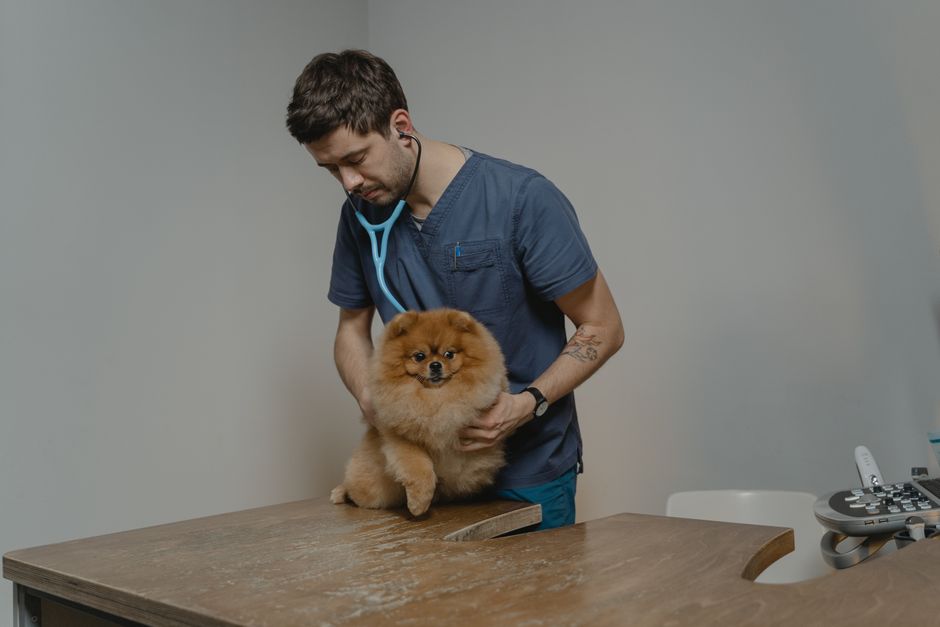
Puppy diarrhea is common, and most cases in young puppies trace back to a short list of causes: sudden diet changes, intestinal parasites, stress, eating something they shouldn’t, or infections. The fix depends entirely on which one is behind it. Some cases clear up with simple at-home care. Others need a vet quickly, especially in puppies under 12 weeks, because their small bodies lose water fast.
Puppies are not small dogs. Their bodies are still developing, their immune systems are immature, and their fluid reserves are tiny. That changes both the causes you should consider and how quickly you need to act.
Why Is My Puppy Having Diarrhea Causes Fixes? Root Causes
Most puppy diarrhea is diet-related or parasitic. Those two categories account for the majority of cases vets see in young dogs. Infection comes next. Less common causes include food intolerance, inflammatory conditions, and medication side effects.
The word “diarrhea” itself just means loose or watery stool. It is a symptom, not a diagnosis. The job is to find what is producing it.
Diet changes and dietary upset
A sudden switch in food is one of the most frequent triggers. The gut bacteria and digestive enzymes adapt slowly. Changing food overnight can produce loose stool within a day or two.
New treats, table scraps, too much rich food, or a puppy getting into the adult dog’s bowl all count. Puppies also explore with their mouths, so they swallow things that irritate the gut.
Intestinal parasites
Roundworms, hookworms, giardia, and coccidia are common in puppies. Many are picked up before birth or through the mother’s milk. A puppy can look healthy and still carry them.
Parasites often cause diarrhea that comes and goes, sometimes with mucus or a change in color. Some cause weight loss or a pot-bellied look. A stool sample lets a vet identify what is present.
Stress
Moving to a new home, a change in routine, travel, or too much handling can loosen a puppy’s stool. The gut and the nervous system are connected, and stress alters how the gut moves and absorbs. This type usually settles as the puppy adjusts.
Infections
Viral and bacterial infections cause some puppy diarrhea. Parvovirus is the one that matters most. It is serious, it spreads easily, and it can kill an unvaccinated puppy. Canine coronavirus and other pathogens also cause diarrhea.
Infection is more likely when diarrhea comes with vomiting, lethargy, fever, or blood. Those signs mean a vet visit, not a wait-and-see approach.
Less common causes
Food intolerance, inflammatory bowel conditions, intestinal blockages from swallowed objects, and reactions to medication can all produce diarrhea. These are diagnosed after the common causes are ruled out.
When Is Puppy Diarrhea an Emergency?
Some diarrhea needs a vet right away. The signs below are not ones to watch at home. Puppies dehydrate faster than adult dogs, and a puppy that is losing fluid and not drinking can decline within hours.
- Blood in the stool, or black tarry stool
- Repeated vomiting, or inability to keep water down
- Lethargy, weakness, or a puppy that will not stand
- Refusing food and water
- Sunken eyes, tacky gums, or skin that stays tented when gently pinched
- Diarrhea in a puppy under 12 weeks, or one that is not fully vaccinated
- Diarrhea lasting more than a day or two
Parvovirus deserves special mention. It often starts as diarrhea and vomiting, then moves fast. An unvaccinated puppy with those signs needs veterinary care the same day. There is no safe home treatment for parvo.
What Does the Color and Consistency of Puppy Poop Mean?
Stool appearance gives clues, but it does not confirm a cause on its own. A vet uses it alongside the puppy’s history and a stool sample.
| What you see | What it can suggest |
|---|---|
| Watery, no form | Diet upset, infection, or parasites |
| Mucus in the stool | Large bowel irritation, parasites, or colitis |
| Blood, fresh red | Large bowel irritation, parasites, or infection |
| Black, tarry | Bleeding higher in the gut; needs a vet |
| Pale or greasy | Poor fat digestion; needs a vet to assess |
| Yellow or green | Fast transit; often diet or infection |
Color alone rarely pins down a cause. A puppy with yellow stool that is bright and active is a different case from one with the same stool who is dull and off food. The whole picture matters.
How Do You Treat Puppy Diarrhea at Home?
Mild diarrhea in an otherwise bright, drinking, active puppy can often be managed at home for a short time. The core goals are keeping the puppy hydrated and not making the gut work harder.
Keep fresh water available at all times. Do not withhold water. Some vets suggest a brief period of bland food, but this should be guided by your vet, especially in very young puppies who need steady nutrition.
Do not give human anti-diarrhea medications. Products like loperamide are not appropriate for puppies without veterinary direction, and dosing errors can be dangerous. The same goes for human antibiotics.
Probiotics are sometimes suggested to support gut bacteria. The evidence in puppies is limited, and products vary widely. Some clinicians recommend them; they are not a substitute for treating an underlying cause.
If the diarrhea is not improving within a day or two, or the puppy shows any warning sign, stop home care and call the vet.
How Does a Vet Figure Out the Cause?
A vet starts with history: recent food changes, possible exposure to other dogs, vaccination status, and how the puppy has been acting. Then comes a physical exam, checking hydration and the belly.
A stool sample is often the next step. It can reveal parasites, giardia, or bacterial overgrowth. For some cases, blood work or imaging helps rule out other problems.
This stepwise approach matters because treatment differs by cause. Deworming does nothing for a diet problem. A food change does nothing for parvo. Getting the cause right is what makes the fix work.
How Can You Prevent Puppy Diarrhea?
Prevention mostly comes down to slow changes, parasite control, and vaccination. These are well-established measures, not guesses.
- Switch foods gradually over about a week, mixing increasing amounts of the new food with the old.
- Follow your vet’s deworming schedule. Puppies often need repeated treatments because of how parasites are passed.
- Keep vaccinations on schedule. Parvovirus prevention depends on it.
- Limit table scraps and new treats, and keep the puppy out of the adult dog’s food.
- Pick up stool promptly and keep the puppy away from unknown dogs until fully vaccinated.
- Keep routines steady during transitions like moving homes.
No prevention is perfect. Puppies get into things. But these steps cut the most common risks.
What Should You Feed a Puppy With Diarrhea?
For mild cases, many vets suggest continuing normal food in smaller, more frequent meals, or a short stretch of bland food. There is no single feeding plan that fits every puppy, and advice differs by age and severity.
Very young puppies should not go long without food. Their energy needs are high and their reserves are small. If a puppy refuses to eat, that is a reason to call the vet rather than wait.
Once stool firms up, return to regular food gradually. A sudden switch back can trigger another loose stool. If diarrhea returns with each food change, a vet can help sort out whether a food intolerance is involved.
What About Parvovirus?
Parvovirus is the cause that vets worry about most in young puppies. It attacks the gut lining and can cause severe, bloody diarrhea, vomiting, and rapid dehydration. It spreads through contact with infected stool and contaminated surfaces.
Parvo is treatable but serious. Survival depends on how fast care starts and how sick the puppy is. Vaccination is the main protection, and puppies need the full series to be well protected.
If an unvaccinated or partially vaccinated puppy develops vomiting and diarrhea, treat it as urgent. Do not wait to see if it passes.
Frequently Asked Questions
How long does puppy diarrhea usually last?
Mild diet-related diarrhea often settles within a day or two once the trigger is removed. Diarrhea that lasts longer than two days, or comes with other signs, should be checked by a vet.
Can I give my puppy human anti-diarrhea medicine?
No, not without veterinary direction. Human medications are not dosed for puppies and can cause harm.
When should I take my puppy to the vet for diarrhea?
Go right away if there is blood, repeated vomiting, lethargy, refusal to drink, or if the puppy is under 12 weeks or not fully vaccinated. Any diarrhea lasting more than a day or two also warrants a call.
Is pumpkin good for puppy diarrhea?
Plain canned pumpkin is sometimes used to add fiber, but there is no strong evidence it treats diarrhea. It is not a substitute for finding and treating the cause.
