
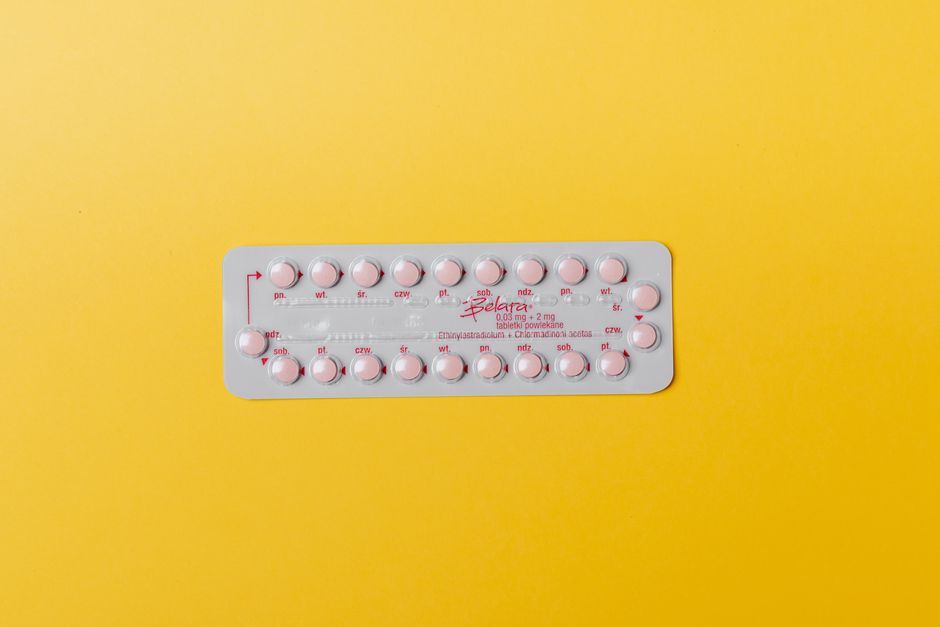
Progesterone is the hormone that prepares and maintains the lining of the uterus during pregnancy. In early pregnancy, a drop in progesterone can signal that the pregnancy is not developing normally, and in some cases it can be an early sign of miscarriage. But not every dip is a problem. Progesterone levels rise in pulses and can fluctuate hour to hour, so a single low reading does not always mean something is wrong.
What Does Progesterone Do In Early Pregnancy?
Progesterone is the hormone that makes the uterus a place an embryo can survive and grow. After ovulation, the empty follicle left behind in the ovary becomes a structure called the corpus luteum. That structure produces progesterone for roughly the first 8 to 10 weeks of pregnancy.
Progesterone does several jobs at once. It thickens the uterine lining so a fertilized egg can implant. It keeps that lining from breaking down, which prevents menstruation. It also relaxes the smooth muscle of the uterus so it does not contract and expel the pregnancy. And it helps quiet the immune system so the body does not reject the genetically foreign embryo.
Around weeks 8 to 10, the placenta takes over progesterone production from the corpus luteum. This handoff is called the luteal-placental shift. After that point, the placenta becomes the main source of progesterone for the rest of the pregnancy. This timing matters because it explains why many progesterone problems show up in the first trimester, before the placenta is fully working.
Why Is My Progesterone Dropping In Early Pregnancy?
A drop in progesterone in early pregnancy usually means one of a few things: the corpus luteum is not producing enough, the pregnancy is not developing normally, or the placenta has not yet taken over production. In some cases, the drop is simply normal fluctuation.
Here are the most common reasons:
- Normal fluctuation. Progesterone is released in pulses. Levels can swing widely within the same day. A single low number may not reflect the overall trend.
- Corpus luteum insufficiency. If the corpus luteum does not produce enough progesterone, levels can fall. This is sometimes called a luteal phase defect.
- Non-viable pregnancy. If the embryo stops developing, the corpus luteum loses its signal to keep producing progesterone. Levels then fall. This is often a sign, not the cause, of a failing pregnancy.
- Ectopic pregnancy. When an embryo implants outside the uterus, progesterone often rises more slowly or stays low.
- Medications. Some fertility drugs and other medications can affect progesterone production or measurement.
One point that is often misunderstood: in many early miscarriages, low progesterone is a consequence of the pregnancy failing, not the reason it failed. The embryo stops developing for another reason, the hormonal signal stops, and progesterone falls. This distinction matters because it affects whether boosting progesterone could help.
What Are Normal Progesterone Levels In Early Pregnancy?
There is no single “normal” progesterone number that applies to everyone. Levels are usually measured in nanograms per milliliter (ng/mL), and reference ranges vary between labs. What one lab calls low, another may call borderline.
In general, progesterone levels in early pregnancy are often described in broad ranges rather than fixed cutoffs. Many clinicians consider a level above roughly 10 ng/mL to be reassuring, and levels below about 5 ng/mL to be concerning for a non-viable pregnancy. But these are general guideposts, not firm diagnostic rules, and they should always be interpreted alongside ultrasound findings and hCG trends.
Two things make a single progesterone value hard to interpret:
- Levels rise in pulses, so timing of the draw matters.
- Different labs use different assays, so results are not always directly comparable.
Because of this, doctors rarely rely on one progesterone reading alone. They look at the pattern over time, along with ultrasound and other hormone tests.





Can Progesterone Drop And The Pregnancy Still Be Healthy?
Yes. A temporary dip does not automatically mean the pregnancy is failing. Because progesterone is released in pulses, a single low reading can happen even in a healthy pregnancy.
That said, a persistent downward trend is more concerning than a one-time dip. When progesterone keeps falling over several days, especially alongside other warning signs, it deserves attention. The trend matters more than any single number.
This is why clinicians often repeat testing rather than acting on one result. It is also why they combine progesterone with other information, such as hCG levels and ultrasound. A healthy pregnancy typically shows rising hCG and a visible embryo or gestational sac on ultrasound at the expected stage. When those are normal, a slightly low progesterone reading is less worrying.
What Symptoms Come With Falling Progesterone?
Falling progesterone can cause symptoms, but symptoms alone are not a reliable way to judge hormone levels. Many people with low progesterone have no symptoms at all, and many normal pregnancies cause symptoms that look similar.
Possible signs include:
- Vaginal bleeding or spotting
- Cramping in the lower abdomen
- Loss of breast tenderness
- Reduced nausea or other pregnancy symptoms that were present before
Bleeding and cramping in early pregnancy are common and do not always mean miscarriage. Light spotting can happen when the embryo implants or for other reasons. Heavy bleeding with clots and strong cramping is more concerning and should be checked promptly.
If you notice bleeding, cramping, or a sudden loss of pregnancy symptoms, contact your healthcare provider. They can check hormone levels and do an ultrasound to see what is happening.
Does Low Progesterone Cause Miscarriage?
This is one of the most debated questions in early pregnancy care. The evidence is mixed, and the answer is not as simple as “low progesterone causes miscarriage.”
Progesterone is necessary to maintain a pregnancy. Without enough of it, the uterine lining can break down and the pregnancy cannot continue. So in that sense, progesterone matters. But in many miscarriages, the sequence runs the other way: the embryo stops developing first, often because of chromosomal problems, and progesterone falls afterward as a result.
When progesterone falls because the pregnancy has already failed, giving more progesterone will not save it. When progesterone is low for another reason, such as a weak corpus luteum, supplementing might help. The challenge is telling these situations apart.
Research on progesterone supplementation for threatened miscarriage has produced mixed results. Some studies suggest benefit in certain groups, while others show no clear difference. Because of this, clinical practice varies. Some clinicians prescribe progesterone supplements for people with low levels or a history of recurrent miscarriage. Others do not, given the uncertain evidence. This is a decision best made with a healthcare provider who knows your specific situation.
What Happens If Progesterone Is Low?
If testing shows low progesterone, the next steps depend on the whole picture, not the number alone. Your provider will likely look at hCG levels, ultrasound results, and your symptoms together.
Possible approaches include:
- Repeat testing. Checking progesterone again in a day or two shows whether it is trending up or down.
- Ultrasound. This checks whether the pregnancy is developing as expected for its stage.
- Progesterone supplementation. If low progesterone is suspected as a cause, some providers prescribe supplements. These come in several forms, including oral, vaginal, and injectable. The evidence for benefit is strongest in certain situations and weaker in others.
- Monitoring. If the pregnancy looks healthy on ultrasound and hCG is rising normally, a provider may simply watch and recheck.
No clinical guidelines recommend a specific progesterone dose for all pregnant people with low levels. Dosing, when used, is set by the prescribing clinician based on the individual case. Do not start or adjust any hormone supplement on your own during pregnancy.
When Should You Call Your Doctor?
Contact your healthcare provider if you have bleeding, cramping, or a sudden loss of pregnancy symptoms. These can have several causes, and only testing can tell you what is happening.
Also reach out if you have had previous miscarriages, if you used fertility treatment, or if you are worried about your hormone levels. Early monitoring can give you clearer information and help guide decisions.
Do not wait to see if symptoms go away on their own. In early pregnancy, prompt evaluation is the safest approach.
Frequently Asked Questions
Can progesterone drop in early pregnancy and still have a healthy baby?
Yes, a temporary dip can happen in a healthy pregnancy because progesterone is released in pulses. A persistent downward trend is more concerning than a single low reading.
What progesterone level is too low in early pregnancy?
There is no single cutoff, and ranges vary by lab. Many clinicians consider levels below about 5 ng/mL concerning and levels above roughly 10 ng/mL reassuring, but these are general guideposts, not firm rules.
Does low progesterone always mean miscarriage?
No. Low progesterone can occur in healthy pregnancies, and in many miscarriages it falls after the pregnancy has already failed rather than causing the loss.
Can I take progesterone supplements to prevent miscarriage?
Some clinicians prescribe progesterone supplements, but research results are mixed and benefit is not confirmed for all situations. Talk to your healthcare provider before using any hormone supplement during pregnancy.
