
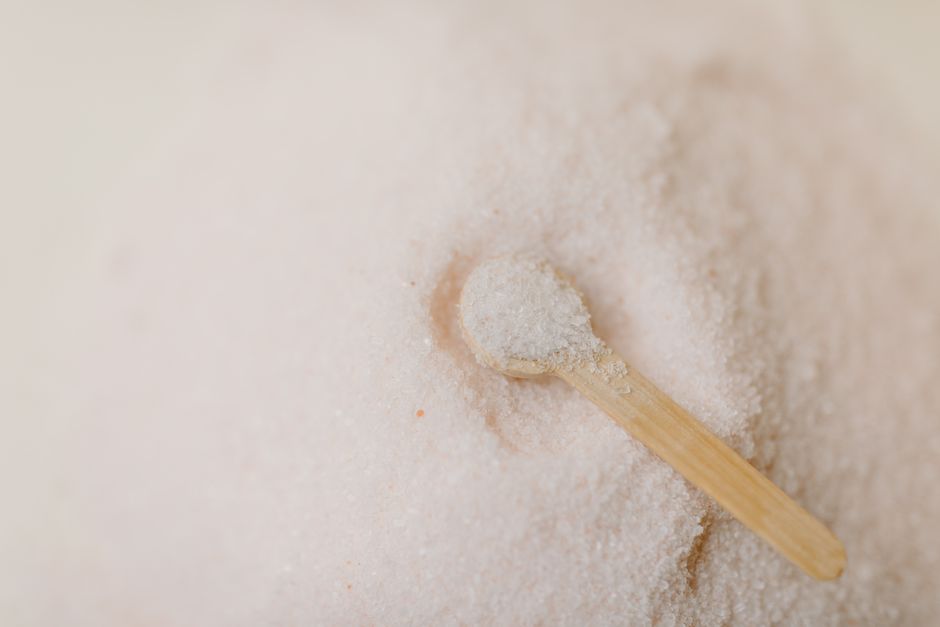
Poop that looks like powder, sand, or fine crumbs usually means your stool is moving through your colon too quickly, or it lacks enough water and fiber to bind together. The medical term for this texture is loose or unformed stool, and it sits near the diarrhea end of the Bristol Stool Scale. It is not a disease on its own. It is a signal, and the cause is usually findable.
Why Is My Poop Like Powder Causes Fixes? Why It Happens
Stool texture is mostly a story about water. Your colon’s main job is to pull water out of the waste left over after digestion. When food moves through too fast, the colon does not get enough time to absorb that water. The result is stool that breaks apart into fine particles instead of forming a solid log.
Three things control how long waste stays in your colon and how well it holds together:
- Transit speed — how fast material moves through your intestines
- Fiber content — soluble fiber acts like a sponge and binds stool; insoluble fiber adds bulk
- Fluid and electrolyte balance — how much water and salt your gut absorbs or secretes
When any of these shifts, texture changes. Powder-like stool is often the earliest sign that transit has sped up, before it becomes full watery diarrhea.
One detail worth knowing: soluble fiber is fermented by gut bacteria into short-chain fatty acids, which your colon cells use for fuel and which help pull water back into the stool. A diet low in soluble fiber can leave stool crumbly even when nothing else is wrong.
What Causes Poop to Look Like Powder or Sand?
Most cases trace back to diet, a recent illness, or a medication. Less often, an underlying condition is driving it.
Common dietary causes
- Sudden increase in caffeine or alcohol, both of which can speed transit
- Sugar alcohols like sorbitol, mannitol, and xylitol, found in sugar-free gum and candy
- Large amounts of fruit juice or high-fructose foods
- A very low-fiber diet that leaves little material to form a solid stool
- Starting a new fiber supplement too fast, which can paradoxically loosen stool before it firms it
Medications and supplements
Many common medications loosen stool. Antibiotics are a frequent culprit because they disrupt the gut bacteria that help ferment fiber. Magnesium supplements, especially magnesium citrate and magnesium oxide, draw water into the intestine. Some diabetes medications, acid reducers, and antidepressants can also change stool consistency. If powder-like stool started after a new prescription, that timing matters and is worth mentioning to your clinician.
Infections and gut conditions
Viral gastroenteritis is the most common infectious cause. It usually resolves within a few days. Bacterial and parasitic infections can cause longer-lasting changes. Among chronic conditions, irritable bowel syndrome with diarrhea, celiac disease, inflammatory bowel disease, and bile acid malabsorption can all produce persistently loose or crumbly stool. These are less common than dietary causes but more likely when symptoms last for weeks.
Malabsorption
When your gut fails to absorb nutrients properly, stool can become pale, greasy, foul-smelling, and light enough to break apart. This pattern is different from simple loose stool and deserves medical evaluation. Conditions that cause fat malabsorption include pancreatic insufficiency and certain small intestine disorders.
When Is Powder-Like Stool a Sign of Something Serious?
Texture alone rarely signals an emergency. What matters is the pattern and what comes with it.
Seek medical care promptly if you have:
- Blood or black tar-like material in your stool
- Signs of dehydration — dark urine, dry mouth, dizziness on standing, or very little urination
- Fever above 100.4°F (38°C) with diarrhea
- Severe abdominal pain or pain that wakes you at night
- Unintentional weight loss
- Symptoms lasting more than two weeks without improvement
- Diarrhea after recent hospitalization or antibiotic use, which can signal a serious bacterial infection
For most adults, a few days of loose stool after a dietary change or a mild illness is not dangerous. The concern rises when symptoms persist, worsen, or come with the warning signs above.





How Do You Fix Powder-Like Poop?
Treatment depends on the cause, so the first practical step is figuring out what changed. If a new food, supplement, or medication lines up with the timing, that is your best lead.
Adjust fiber carefully
Soluble fiber is the type most likely to firm up loose stool. It is found in oats, barley, psyllium, bananas, applesauce, and cooked carrots. Insoluble fiber, found in wheat bran and many raw vegetables, adds bulk but can worsen loose stool in some people. If you are adding fiber, add it slowly over one to two weeks and drink enough water alongside it.
Watch fluids and electrolytes
Loose stool loses water and salts. Plain water helps, but replacing electrolytes matters more when episodes are frequent. Oral rehydration solutions are designed for this. Sports drinks contain electrolytes but also a lot of sugar, which can sometimes worsen diarrhea.
Review medications with your clinician
Do not stop a prescription on your own. But it is reasonable to ask whether a medication could be affecting your gut, and whether timing or dose could be adjusted. This is a conversation to have with the prescriber, not a decision to make alone.
Consider temporary dietary changes
During a short bout, many clinicians suggest limiting caffeine, alcohol, dairy, and high-fat or very spicy foods. Some people find the low-FODMAP approach helpful for persistent symptoms, but it is a short-term elimination diet best done with professional guidance, not a permanent way of eating.
When to ask about testing
If symptoms last more than a few weeks, your clinician may check for celiac disease, thyroid problems, infections, or inflammatory markers. Stool testing and blood work can narrow down causes that diet changes alone will not fix. There is no single test that covers all possibilities, so the workup is usually stepwise.
What Does Stool Texture Tell You About Gut Health?
Texture is one of the most useful everyday signals your body gives you. The Bristol Stool Scale, a tool used in clinical practice, classifies stool into seven types. Types 1 and 2 are hard and constipated. Types 3 and 4 are well-formed and ideal. Types 5, 6, and 7 are increasingly loose, with type 7 being entirely liquid.
Powder-like or crumbly stool often falls around type 5 or 6. It is a middle ground — not fully formed, not fully liquid. That position matters because it usually means transit is mildly accelerated rather than severely disrupted.
Texture changes are more informative when you track them alongside frequency, color, and any accompanying symptoms. A single unusual bowel movement means little. A pattern over days or weeks tells a story.
Can Diet Alone Fix Powder-Like Stool?
Often, yes. When the cause is dietary, adjusting fiber type, cutting back on sugar alcohols, and reducing caffeine can make a difference within days to a couple of weeks. When the cause is a medication, an infection, or a chronic condition, diet changes alone usually will not resolve it.
The honest position: there is no single food or supplement that reliably fixes loose stool for everyone. Psyllium is one of the better-studied fiber sources for stool consistency, but even it works differently depending on the person and the underlying cause. If simple changes are not helping after a couple of weeks, that is a signal to get evaluated rather than keep experimenting.
Frequently Asked Questions
Why is my poop suddenly like powder?
Sudden powder-like stool usually means your colon is moving waste through too quickly to absorb enough water. Common triggers include a recent illness, a new medication, or a change in diet such as starting a fiber supplement or eating more sugar alcohols.
Does powder-like poop mean diarrhea?
It sits on the loose end of the spectrum and can be an early or mild form of diarrhea. On the Bristol Stool Scale, it typically falls around type 5 or 6, which is looser than the ideal type 3 or 4 but not fully liquid.
What foods firm up loose stool?
Soluble fiber sources like oats, psyllium, bananas, and applesauce are most likely to help. Insoluble fiber from wheat bran and raw vegetables adds bulk but can worsen loose stool for some people, so the type of fiber matters.
When should I see a doctor about powder-like stool?
See a clinician if it lasts more than two weeks, comes with blood, fever, severe pain, weight loss, or signs of dehydration. A few days of loose stool after a dietary change or mild illness is usually not a concern.
