
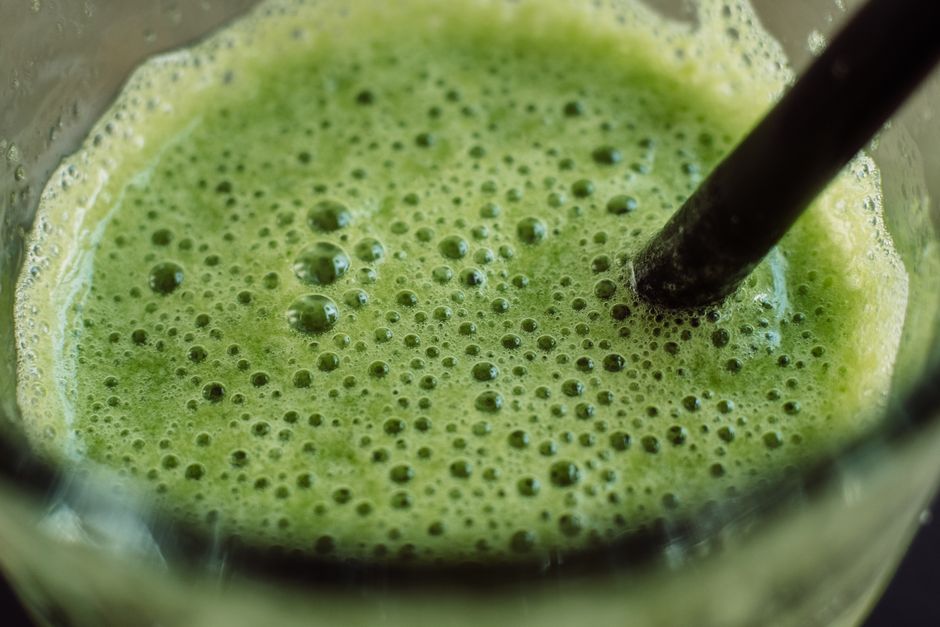
Green poop is usually harmless and often linked to something you ate, like leafy greens or food coloring. The smell often comes from the same foods or a quick trip through your digestive system. You should worry when green poop lasts more than a few days, comes with blood, or is paired with severe pain, fever, or weight loss.
Why Is My Poop Green And Smelly Causes When To Worry?
Green stool happens when bile — the digestive fluid your liver makes — doesn’t have time to turn brown. Bile is naturally green. As it moves through your intestines, bacteria change it to a brown color. If your stool moves too fast, that change never happens.
The smell is a separate issue. Smelly green poop often means undigested food reached your colon, where bacteria fermented it. That process creates gas and strong odors.
In most cases, this is temporary and clears up on its own. But persistent green, foul-smelling stool can point to an infection or a digestive condition that needs attention.
What Causes Green Poop?
Several everyday things can turn your stool green. Most are harmless and resolve within a day or two.
- Leafy green vegetables — Spinach, kale, broccoli, and wheatgrass contain chlorophyll, which stays green through digestion.
- Food coloring — Green, blue, or purple dyes in candy, frosting, sports drinks, and gelatin can pass through unchanged.
- Iron supplements — Iron can turn stool green or dark green, especially in liquid form.
- Diarrhea — When food moves through your system too fast, bile stays green because bacteria didn’t have time to process it.
- Medications — Some antibiotics change gut bacteria and can alter stool color. Certain antacids containing aluminum hydroxide can also cause green stool.
These causes are common and not a reason for concern. The color usually returns to normal once the trigger food or medication passes.
Why Does Green Poop Smell So Bad?
Foul-smelling green stool often means food was not fully digested before reaching your large intestine. When undigested carbohydrates and proteins arrive in the colon, the bacteria there ferment them. That fermentation produces gases like hydrogen sulfide, which smells like rotten eggs.
This can happen after a large meal, especially one high in fat or sugar. It also happens with rapid digestion, where food moves through the small intestine too quickly for enzymes to break it down properly.
Certain foods make this worse. Artificial sweeteners like sorbitol and mannitol are poorly absorbed and ferment in the colon. High-sulfur foods — eggs, meat, garlic — can also intensify the smell regardless of stool color.
When Green Poop Means an Infection
Some infections cause both green color and a strong smell. Bacterial infections like Salmonella, Campylobacter, and E. coli can speed up digestion and produce green, watery, foul-smelling stool. Giardia, a parasitic infection, is well known for causing greasy, foul-smelling diarrhea that can appear green.
These infections usually come with other symptoms. Look for fever, abdominal cramps, nausea, or vomiting. If you have these together with green smelly stool, it is worth seeing a doctor, especially if symptoms last more than a couple of days.
Food poisoning is a common cause. If several people who ate the same meal develop similar symptoms, that is a strong clue.
Digestive Conditions That Cause Green Smelly Stool
Some chronic conditions affect how your body digests food, which can lead to green, odorous stool.
Celiac disease damages the small intestine and prevents proper nutrient absorption. Undigested fat and food reach the colon, causing pale, greasy, and often foul-smelling stool — sometimes green.
Lactose intolerance leaves undigested lactose in the colon, where bacteria ferment it. This produces gas, bloating, and loose stool that can be green and smelly.
Malabsorption disorders like exocrine pancreatic insufficiency prevent your pancreas from releasing enough digestive enzymes. Food passes through largely undigested.
These conditions share common signs: chronic diarrhea, weight loss, fatigue, and stool that floats or is hard to flush. If you notice these patterns over weeks or months, a doctor can run tests to identify the cause.
When to See a Doctor
Most green poop resolves on its own. But certain signs warrant medical attention.
- Green poop lasting more than a few days without an obvious cause
- Blood in or on the stool
- Severe abdominal pain or cramping
- Fever above 101°F (38.3°C)
- Signs of dehydration — dark urine, dizziness, extreme thirst
- Unintentional weight loss
- Stool that is black, tarry, or contains mucus
Blood in stool can appear red or black. If stool looks black and tarry, that can indicate bleeding in the upper digestive tract. This is a medical emergency.
For infants, green poop is common and usually normal, especially in breastfed babies. But if a baby has green poop with fever, blood, or signs of dehydration, contact a pediatrician.
What Does Green Poop Look Like in Different Situations?
Green poop can look different depending on the cause. The appearance gives clues.
| Appearance | Likely Cause |
|---|---|
| Green and watery | Diarrhea, infection, or rapid transit |
| Green and formed | Leafy greens or food coloring |
| Green and frothy or foamy | Malabsorption or lactose intolerance |
| Green with mucus | Possible intestinal inflammation or infection |
| Dark green and sticky | Iron supplements or bismuth-containing medications |
Frothy or foamy green stool often indicates fat malabsorption. Mucus in stool can be normal in small amounts, but large amounts with green color may signal inflammation.
How to Fix Green Smelly Poop at Home
If your green stool is from food or a fast bowel movement, simple steps often help.
- Drink plenty of water to stay hydrated
- Eat bland, easily digestible foods like rice, bananas, and toast
- Pause foods with artificial coloring for a few days
- Reduce intake of sugar alcohols and high-sulfur foods
- Consider a probiotic to support gut bacteria after antibiotics
These measures help most people within a few days. If symptoms continue beyond that, the cause may be something that needs medical evaluation.
Do not use anti-diarrheal medications if you suspect a bacterial infection. Slowing digestion can trap bacteria in your system longer. Let the infection run its course while staying hydrated, unless a doctor advises otherwise.
Preventing Green Smelly Stool
Prevention depends on the cause. If food coloring triggers it, reading labels helps. If leafy greens are the reason, know that this is normal and not a problem.
Eating slowly and chewing thoroughly reduces the amount of undigested food reaching the colon. Smaller meals are easier to digest than large ones. Staying hydrated keeps stool moving at a healthy pace.
If you notice a pattern — green stool after dairy, for example — that is a clue worth exploring. Keeping a simple food diary for a week can reveal triggers you might otherwise miss.
Frequently Asked Questions
Is green poop always a sign of infection?
No. Green poop is most often caused by leafy greens, food coloring, or diarrhea. Infection is one possible cause, but not the most common one.
Can stress cause green poop?
Stress can speed up digestion, which may result in green stool. When your gut moves faster, bile doesn’t have time to turn brown.
How long does green poop last?
Green poop from food usually clears within one to two days. If it lasts longer than a few days, or comes with pain or fever, see a doctor.
Is green poop during pregnancy normal?
Green poop during pregnancy is usually harmless and often related to prenatal vitamins containing iron. Persistent green diarrhea during pregnancy should be discussed with a healthcare provider.
