
Green, runny stool usually means one of two things: food moved through your digestive tract faster than normal, or you ate something green that your gut didn’t fully break down. In most cases it’s temporary and not a sign of anything serious. But the color and the loose texture together are worth understanding, because the combination often points to a specific cause.
Why Is My Poop Green And Runny Causes Explained
Stool gets its normal brown color from bile. Bile is a yellow-green fluid your liver makes to help digest fats, and it’s stored in your gallbladder. As bile travels through your intestines, bacteria break it down into a brown pigment called stercobilin.
That breakdown takes time. If food and waste move through your colon too quickly — which is what happens with diarrhea — there isn’t enough time for the full color change. The result is green stool. So green and runny often share the same root cause: rapid transit.
There’s a second path to green stool that has nothing to do with speed. Certain foods and substances contain green pigments or dyes that pass through largely intact. When those combine with loose stool for unrelated reasons, you get the same green, runny result.
Here’s a detail many people miss: green stool is not a color your body produces on purpose. It’s a color your body failed to finish converting. That reframing helps make sense of why the two most common causes — fast transit and green intake — keep showing up.
What Foods and Drinks Turn Poop Green?
Diet is the most common and least concerning reason for green stool. If you can trace your symptoms back to something you ate in the past day or two, that’s often the whole explanation.
Foods and additives linked to green stool include:
- Leafy greens like spinach, kale, and Swiss chard, especially in large amounts
- Green food coloring and dyes found in frosting, candy, sports drinks, and some cereals
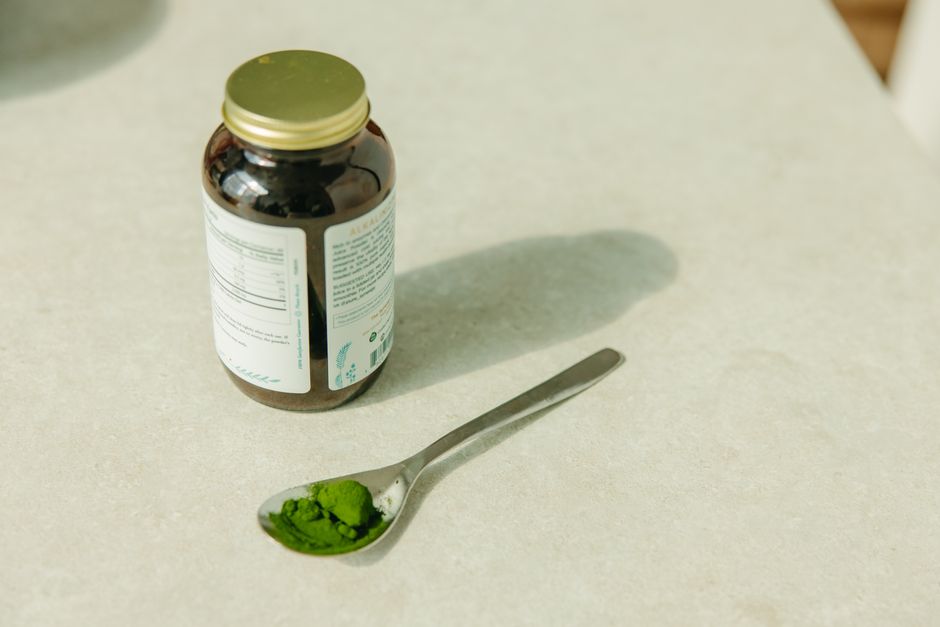
- Matcha, wheatgrass, and spirulina powders
- Blue foods and drinks — blue dye can appear green once it mixes with the yellow-green bile in your gut
- Black licorice, which can produce green stool in some people
Iron supplements are a frequent culprit too. Iron can turn stool dark green or nearly black. If you recently started an iron supplement and noticed a change, that’s a likely link.
One clarification worth making: eating a salad does not usually turn your stool green. The pigments in leafy greens are largely broken down during digestion. It typically takes a large amount — or a concentrated powder or dye — to visibly change stool color. If you had one serving of spinach and your stool is bright green and watery, food is probably not the main driver. Look at transit speed or something else on this list.
When Does Diarrhea Itself Cause Green Stool?
Any condition that speeds up digestion can produce green, runny stool. The faster waste moves, the less time bile has to turn brown.
Common triggers include:
- Viral gastroenteritis — the stomach bug. This is one of the most frequent causes of sudden green diarrhea.
- Food poisoning — from contaminated food, often with cramping and nausea.
- Bacterial infections — such as Salmonella, E. coli, or Giardia. These can cause green, watery diarrhea and may need medical evaluation.
- Medications — antibiotics can disrupt gut bacteria and speed transit. So can some laxatives.
- Lactose intolerance or other food intolerances — undigested sugars draw water into the gut and move things along faster.
Antibiotics deserve a special mention. They can wipe out the normal gut bacteria that help break down bile, so stool may stay green even after the diarrhea settles. This usually corrects itself as the gut bacteria recover, but the timeline varies from person to person.
If loose green stool comes with fever, severe cramping, blood, or signs of dehydration, that changes the picture. Those symptoms point toward infection or another condition that needs a doctor’s attention rather than home monitoring.





Can Green Runny Poop Be a Sign of Something More Serious?
Serious causes are less common, but they exist. The key is whether green, runny stool is a one-time event or a pattern that keeps returning.
Conditions that can produce green stool include:
- Crohn’s disease and ulcerative colitis — inflammatory bowel diseases that can speed transit and change stool color.
- Celiac disease — damage to the small intestine can cause malabsorption and chronic diarrhea.
- Irritable bowel syndrome (IBS) — can cause urgency and loose stool, sometimes green.
- Bile acid malabsorption — when bile isn’t reabsorbed properly, it reaches the colon and causes watery, sometimes green diarrhea.
- Gallbladder or liver problems — changes in bile flow can affect stool color.
None of these can be diagnosed from stool color alone. Green, runny stool is a symptom, not a diagnosis. If it happens once after a stomach bug, it’s very likely nothing more. If it persists for more than a few days, keeps coming back, or comes with weight loss, fatigue, or ongoing pain, that’s when a doctor should take a look.
There is one color that is a genuine emergency: pale, clay-colored, or white stool. That can signal a blocked bile duct and needs prompt medical care. Green is not in that category, but it’s worth knowing the difference.
How Long Should Green Runny Poop Last?
For most people, green, runny stool from a passing infection or a dietary trigger clears up within a day or two. As digestion returns to normal speed, bile has time to turn brown again and the color corrects itself.
Some situations take longer. Antibiotic-related changes can last a week or more as gut bacteria recover. Food intolerance reactions last as long as the trigger stays in your diet. Chronic conditions like IBS or Crohn’s disease can cause recurring episodes over months or years.
There’s no single timeline that applies to everyone, and no established guideline ties a specific number of days to a specific cause. What matters more is the pattern. A single episode after a questionable meal or a stomach bug is very different from green diarrhea that shows up week after week.
When Should You See a Doctor?
See a doctor if green, runny stool lasts more than a few days, keeps returning, or comes with any of the following:
- Blood or mucus in the stool
- Fever above 100.4°F (38°C)
- Severe or worsening abdominal pain
- Signs of dehydration — dizziness, dry mouth, dark urine, or urinating much less than usual
- Unintentional weight loss
- Stool that is pale, white, or clay-colored
Dehydration is the most immediate concern with any kind of diarrhea, including green. Losing fluids and electrolytes faster than you replace them can become serious, especially for older adults and young children. Oral rehydration solutions are designed to replace both water and electrolytes, and they’re generally more effective for this than plain water alone.
Bring a list of what you’ve eaten, any supplements or medications you take, and how long the symptoms have lasted. That information often shortens the path to an answer.
What Helps Green Runny Poop Go Back to Normal?
In most cases, the fix is time and hydration. If a dietary trigger is involved, removing it usually resolves things within a day or two.
Practical steps that support recovery:
- Drink fluids throughout the day, and use an oral rehydration solution if diarrhea is frequent
- Ease off high-fat, very spicy, and heavily dyed foods until things settle
- Consider a temporary pause on iron supplements if you suspect them — but check with your doctor first, since iron is often prescribed for a reason
- Avoid alcohol and caffeine, which can worsen diarrhea
Over-the-counter anti-diarrheal medications are widely used, but they aren’t right for every situation. If you have a fever or bloody stool, which can suggest a bacterial infection, these medications can make things worse by keeping the infection in your gut longer. Some clinicians advise against them in those cases. When in doubt, ask a pharmacist or doctor before reaching for one.
Probiotics are often marketed for digestive issues. The evidence for them in treating diarrhea is mixed, and results vary depending on the strain and the cause. They are not a guaranteed fix, and no specific strain has been established as reliably effective for green stool specifically.
Frequently Asked Questions
Is green runny poop serious?
Usually no. Most cases come from fast digestion, a stomach bug, or something you ate, and they clear up within a day or two. It becomes worth a doctor’s visit if it lasts more than a few days, keeps returning, or comes with fever, blood, or severe pain.
What does green watery diarrhea mean?
It usually means waste moved through your colon too quickly for bile to finish turning brown. Common triggers include viral gastroenteritis, food poisoning, antibiotics, and food intolerances.
Can antibiotics cause green runny poop?
Yes. Antibiotics can disrupt the gut bacteria that help break down bile, and they can also speed up digestion. The color often returns to normal as gut bacteria recover, though the timeline varies.
When should I worry about green stool?
Worry if it lasts more than a few days, keeps coming back, or comes with blood, fever above 100.4°F, severe pain, or dehydration. Pale or clay-colored stool is a separate concern that needs prompt medical care.
