
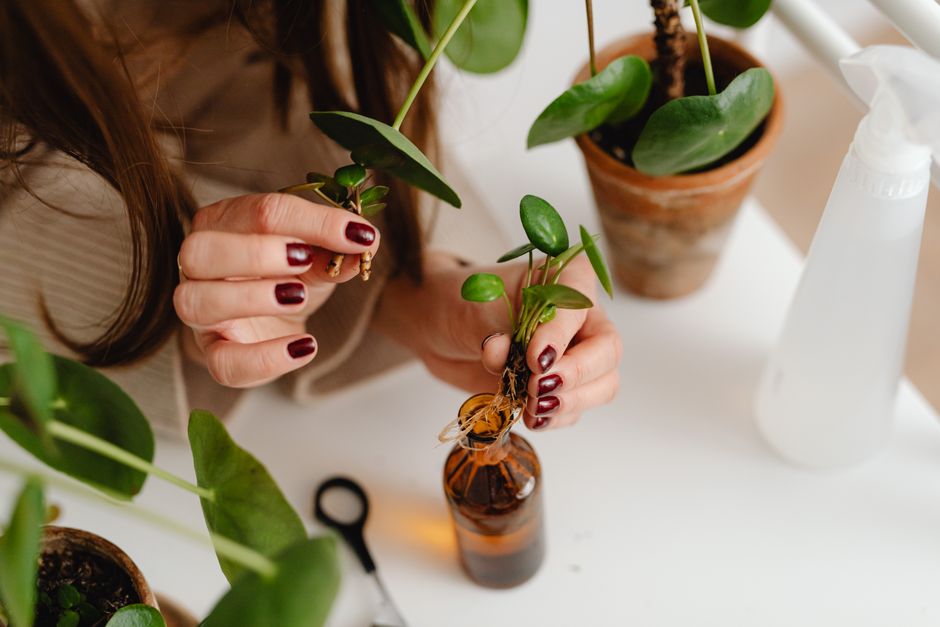
Pilea peperomioides drops leaves for a short list of reasons, and almost all of them trace back to water, light, or temperature. The most common culprit is overwatering — soggy soil suffocates the roots and leaves fall off, often still green and plump. The fix is to let the top inch or two of soil dry out between waterings, give the plant bright indirect light, and keep it away from cold drafts. Once you correct the cause, new growth usually recovers, though the leaves already lost will not grow back.
Pilea is a forgiving plant, but it sends clear signals when something is off. Learning to read those signals is most of the battle.
Why Is My Pilea Dropping Leaves And How To Fix It?
Leaf drop in Pilea peperomioides is a stress response, not a disease in itself. The plant sheds leaves it can no longer support. That happens when roots are damaged by too much water, when light is too low for the plant to keep its leaves fed, or when temperatures swing outside the comfortable range.
The key detail most people miss: the way a leaf looks when it falls tells you a lot about the cause. A yellow, mushy leaf that drops points toward too much water. A crispy brown leaf points toward too little water or dry air. A green, healthy-looking leaf that suddenly drops often signals a shock — a cold draft, a sudden move, or a root problem just beginning.
Pilea naturally sheds its oldest, lowest leaves as it grows. A single yellowing leaf at the bottom every few weeks is normal aging, not a problem. Widespread dropping, several leaves at once, or leaves falling from the top of the plant is when you should act.
Is Overwatering the Most Common Cause of Pilea Leaf Drop?
Yes. Overwatering is the leading cause of leaf drop in Pilea, and it does the most damage because it attacks the roots the plant depends on. When soil stays wet, the roots cannot take up oxygen. They begin to rot, and a plant with rotting roots cannot move water to its leaves — so leaves drop, sometimes even though the soil is soaking wet.
That is the counterintuitive part. An overwatered plant can look thirsty because its damaged roots can’t deliver water. People see wilting and add more water, which makes it worse. If the soil is wet and the plant is dropping leaves, do not water it. Check the roots instead.
Signs of overwatering include:
- Yellow, soft, or mushy leaves, especially near the base
- Soil that stays damp for many days
- A musty or sour smell from the soil
- Brown, mushy roots instead of firm white ones
- Small flies around the soil surface
To fix it, stop watering until the top inch or two of soil feels dry. Make sure the pot has drainage holes and never let the pot sit in a saucer of standing water. If the roots are already brown and soft, remove the plant, trim the damaged roots with clean scissors, and repot in fresh, well-draining soil.
What Does Underwatering Look Like in Pilea?
Underwatering causes a different kind of drop. Leaves dry out from the edges first, turn brown and crispy, and then fall. The soil pulls away from the sides of the pot and feels bone dry well below the surface.
The fix is straightforward: water thoroughly until water runs out the drainage holes, then let the top inch or two dry before watering again. A plant that has been badly dried out may need a soak — set the pot in a bowl of water for a short time so the soil can reabsorb moisture, then let it drain completely. Do not leave it sitting in water afterward.
Pilea stores water in its leaves and stems, so it tolerates a missed watering better than it tolerates constant wet feet. When in doubt between the two, the plant is usually safer slightly dry.
Can Light and Temperature Cause Pilea Leaves to Drop?
Light and temperature both trigger leaf drop, and both are easy to overlook because the plant may look fine otherwise. Pilea wants bright, indirect light. Too little light and the plant cannot produce enough energy to maintain its leaves, so it sheds the lower ones. Too much direct sun can scorch leaves, and severe scorch can lead to drop.
Temperature matters more than many people expect. Pilea is comfortable in typical indoor temperatures — roughly the range most homes are kept at for human comfort. Cold drafts from windows, doors, or air conditioning can shock the plant and cause leaves to drop, often suddenly and while still green. Keep the plant away from drafty spots and away from heating vents that blast dry, hot air.
Sudden changes are their own trigger. Moving a Pilea to a new spot with very different light, or bringing it home from a greenhouse, can cause a short period of leaf drop while it adjusts. If the plant was healthy before the move and the drop is modest, give it a couple of weeks in a stable spot before changing anything else.
How Do I Know Which Cause Is Behind My Pilea’s Leaf Drop?
Work through the likely causes in order, because the fix depends entirely on which one is active. Start with the soil, since water problems are the most common and the most damaging.
Check the soil moisture by pushing a finger an inch or two below the surface. If it is wet and the plant is dropping, suspect overwatering. If it is bone dry, suspect underwatering. Then check the light — is the plant getting bright indirect light for most of the day, or is it in a dim corner? Finally, check the location for drafts and heat sources.
A simple comparison helps narrow it down:
| What you see | Likely cause | First step |
|---|---|---|
| Yellow, mushy leaves; wet soil | Overwatering | Stop watering; check roots |
| Brown, crispy leaves; dry soil | Underwatering | Water thoroughly; let drain |
| Green leaves dropping suddenly | Cold draft or shock | Move to a stable, draft-free spot |
| Lower leaves yellowing slowly | Low light or normal aging | Improve light; watch new growth |
One cause can mimic another, so check more than one factor before you change your routine. Making several changes at once makes it hard to know what actually helped.
How Do I Help a Dropping Pilea Recover?
Correct the cause first, then give the plant time. Pilea recovers steadily when conditions are right, but it does not bounce back overnight. The leaves already lost will not regrow on the same spot — recovery shows up as new growth at the top and sides.
Once you have fixed the underlying problem, keep conditions stable. Avoid repotting, moving, or feeding the plant while it is recovering, since extra change adds stress. Hold off on fertilizer until you see fresh, healthy growth, and then feed lightly during the growing season.
Watch the new leaves as your progress report. Firm, flat, evenly green new leaves mean the plant is back on track. If new leaves keep coming in small, pale, or misshapen, the cause is probably still active — revisit water, light, and temperature.
One honest note: if the roots are extensively rotted, the plant may not recover no matter what you do. In that case, a healthy stem cutting can be rooted to start fresh, which is often the more reliable path than trying to save a badly damaged root system.
Frequently Asked Questions
Why is my Pilea dropping green leaves?
Green leaves dropping suddenly usually point to a cold draft, a sudden change in location, or the early stages of a root problem. Check the plant’s spot for drafts and inspect the soil moisture before changing anything else.
Should I remove yellow leaves from my Pilea?
Yes, you can remove yellow or dead leaves, since they will not recover and removing them keeps the plant tidy. Use clean scissors and cut close to the stem without damaging healthy tissue.
How often should I water a Pilea to stop leaf drop?
There is no fixed schedule — water when the top inch or two of soil feels dry. Checking the soil rather than following a calendar is what prevents both overwatering and underwatering.
Will my Pilea grow back leaves after dropping them?
The plant will produce new leaves from the top and sides once conditions improve, but leaves already lost will not regrow in the same spot. Focus on stable water, light, and temperature to encourage fresh growth.
