
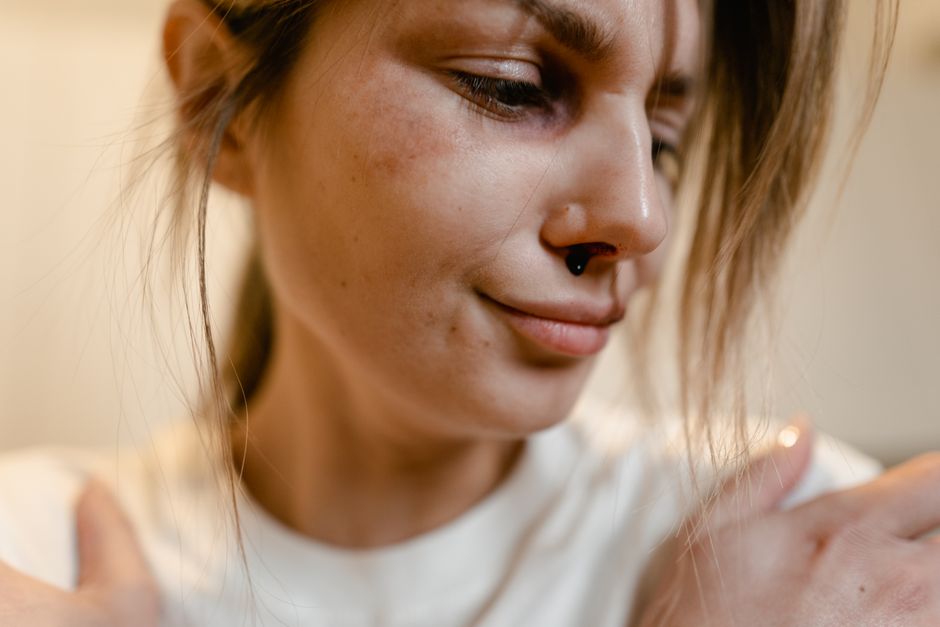
A bruise around a new or healing piercing looks alarming, but it is often a normal part of the body’s response to trauma. When a needle pierces the skin, it damages tiny blood vessels called capillaries, which leak blood into the surrounding tissue. That pooled blood is what creates the black-and-blue mark you see. Most piercing bruises are harmless and fade within a week or two, but sometimes a bruise signals a problem like infection or jewelry that is too tight. Knowing the difference between a normal bruise and a complication helps you decide whether to wait it out or see a professional.
Why Is My Piercing Bruised? Causes And Healing Tips
A piercing is an open wound, and a bruise is simply the visible result of broken blood vessels under the skin. The piercing needle cuts through skin, tissue, and small veins, which causes bleeding beneath the surface. This is a direct physical response to the procedure itself. Bruising is most common in areas with dense blood supply, such as the nose, navel, and nipples. The amount of bruising depends on the location, the skill of the piercer, and how vascular that part of the body is.
Bruising can also appear a few days after the piercing, not just immediately. This delayed bruising happens when blood slowly seeps from damaged vessels over time. Gravity can pull that blood downward, which is why a nose piercing might cause bruising under the eyes, or an eyebrow piercing might cause a black eye. This is normal and not a sign that something went wrong.
Healing tips for a bruised piercing are simple. Leave the area alone. Do not pick at the bruise, do not massage it, and do not apply heat for the first 48 hours. Cold compresses in short intervals during the first two days can reduce swelling and slow further bleeding. After two days, gentle warmth can help the body reabsorb the pooled blood faster. Keep your regular aftercare routine consistent, because the bruise is secondary to the wound itself.
How Long Does A Piercing Bruise Last?
A typical piercing bruise lasts between 5 and 14 days. The timeline depends on how much blood pooled under the skin and where the piercing is located. Areas with more movement, like the navel or hands, may take slightly longer because movement delays healing. Facial piercings usually heal faster because the face has excellent blood flow.
You will notice the bruise changing color as it heals. It starts red or purple, then shifts to green or yellow, and finally fades to a light brown before disappearing. This color change is the body breaking down hemoglobin, the iron-containing protein in red blood cells. If the bruise stays the same dark color for more than two weeks, or if it grows larger instead of smaller, have a professional look at it.
Bruises that last longer than two weeks may indicate the jewelry is pressing on a blood vessel or that the piercing has been re-traumatized. Snagging the jewelry on clothing or bumping the area can cause a fresh bruise on top of an older one. If you cannot remember bumping it, and the bruise persists, see your piercer or a doctor.
Bruise Or Infection: How To Tell The Difference
A bruise alone is not an infection. A bruise is a collection of blood under the skin. An infection is a collection of pus and bacteria. The two can look similar at first because both cause redness, swelling, and tenderness. The key difference is the type of discharge and the progression of symptoms.
Watch for these signs that point to infection rather than a simple bruise:
- Yellow, green, or gray discharge that has a foul odor
- Redness that spreads beyond the immediate piercing site
- Heat radiating from the area that feels warm to the touch
- Fever or chills
- Red streaks extending away from the piercing
- Pain that worsens instead of improving after several days
If you have any of these symptoms, do not try to treat it at home. See a healthcare provider. An infected piercing can become a serious skin infection if left untreated. Do not remove the jewelry on your own if you suspect an infection, because removing it can trap the infection inside the wound. A doctor can assess whether the jewelry should come out and can prescribe antibiotics if needed.
It is also possible to have both a bruise and an infection at the same time. The bruise is the blood, and the infection is the bacteria. If you are unsure which one you have, err on the side of caution and get it checked.



Why Does My Piercing Look Bruised After Weeks?
If your piercing still looks bruised after several weeks, something is actively causing it. A fresh bruise that appears long after the piercing was done is not a normal healing response. It means the area is being re-injured or that the jewelry is causing pressure on surrounding tissue.
Jewelry that is too small or too tight is a common cause of persistent bruising. When jewelry presses against the skin, it restricts blood flow and can cause blood to pool in the area. This looks like a bruise but is actually a circulation problem. If the jewelry feels tight, or if the skin around it looks pinched, see your piercer to discuss sizing. A piercer can measure the area and recommend longer or larger jewelry if needed.
Another cause is repeated trauma. Sleeping on the piercing, catching it on clothing, or playing with the jewelry can all cause small amounts of bleeding under the skin. These micro-injuries may not hurt, but they leave visible marks. If you cannot stop touching the piercing, be honest with yourself about that habit. It is one of the most common reasons piercings fail to heal.
In rare cases, persistent bruising can indicate a bleeding disorder or a reaction to the metal in the jewelry. Nickel allergy is common and can cause redness, swelling, and skin changes that resemble bruising. If you have a known metal allergy, make sure your jewelry is implant-grade titanium or 14k or 18k gold. If you have no known allergy but bruising persists, mention it to your healthcare provider.
What Helps A Bruised Piercing Heal Faster?
The most effective way to help a bruised piercing heal is to treat the wound properly, not the bruise. The bruise will fade on its own if the piercing itself heals well. Focus on the basics of piercing aftercare: clean the area twice a day with a sterile saline spray, do not touch it with unwashed hands, and do not rotate the jewelry.
Cold therapy works for the first 48 hours after the piercing. Wrap an ice pack in a clean cloth and hold it against the area for 10 to 15 minutes at a time. Do not apply ice directly to the skin, and do not leave it on longer than recommended, because frostbite is a real risk. After 48 hours, switch to a warm compress to encourage blood flow and help the body reabsorb the bruise.
Avoid blood thinners if you can. Over-the-counter pain relievers like ibuprofen and aspirin thin the blood and can make bruising worse. Acetaminophen does not have this effect. If you take blood-thinning medication for a medical condition, do not stop taking it without talking to your doctor. Instead, accept that you may bruise more than average and give yourself extra healing time.
Arnica gel or cream is sometimes used for bruises, but evidence for its effectiveness is limited. Some small studies suggest it may reduce bruising, while others show no benefit. It is generally safe to use on intact skin, but check with your piercer first, because some aftercare products can irritate a healing wound. Do not apply arnica to an open or broken area.
When Should You See A Doctor About A Bruised Piercing?
Most piercing bruises do not require medical attention. They are cosmetic and temporary. However, certain situations warrant a professional evaluation. If the bruise is larger than the size of your palm, if it continues to expand, or if it does not change color after two weeks, see a doctor.
Seek medical care immediately if you experience any of the following:
- Difficulty breathing or swallowing (for mouth or nose piercings)
- Swelling that closes off the piercing channel
- Signs of infection as listed above
- Fever above 100.4°F (38°C)
- Numbness or tingling beyond the piercing site
These symptoms can indicate a deeper problem, such as an abscess, a blood clot, or a severe allergic reaction. Do not wait to see if they improve. Go to urgent care or the emergency room. It is always better to be checked and have it be nothing than to wait on a potential complication.
If you are simply unsure about whether your piercing looks normal, most professional piercers offer free check-ups. A reputable piercer has seen thousands of healing piercings and can tell you quickly whether what you are seeing is normal or needs a doctor’s attention. Do not be embarrassed to ask. Piercers would rather you check than ignore a problem.
Frequently Asked Questions
Can a piercing bruise mean the piercing is rejecting?
Not usually. Rejection causes the jewelry to migrate toward the surface of the skin, which looks like the piercing moving or the skin thinning, not a bruise. If you see the jewelry shifting position or the skin becoming translucent, see your piercer.
Should I remove my jewelry if the piercing is bruised?
No. Removing the jewelry does not help a bruise and can cause the piercing hole to close, trapping any infection inside. Leave the jewelry in place and treat the area gently.
Is it normal for a nose piercing to cause a black eye?
Yes. Blood from the nose piercing can travel downward under the skin due to gravity, creating bruising under the eye. This is normal and usually fades within one to two weeks.
How long after a piercing can a bruise appear?
A bruise can appear up to a few days after the piercing as blood slowly seeps from damaged vessels. Bruising that appears weeks later is not normal and indicates re-injury or pressure from the jewelry.
