
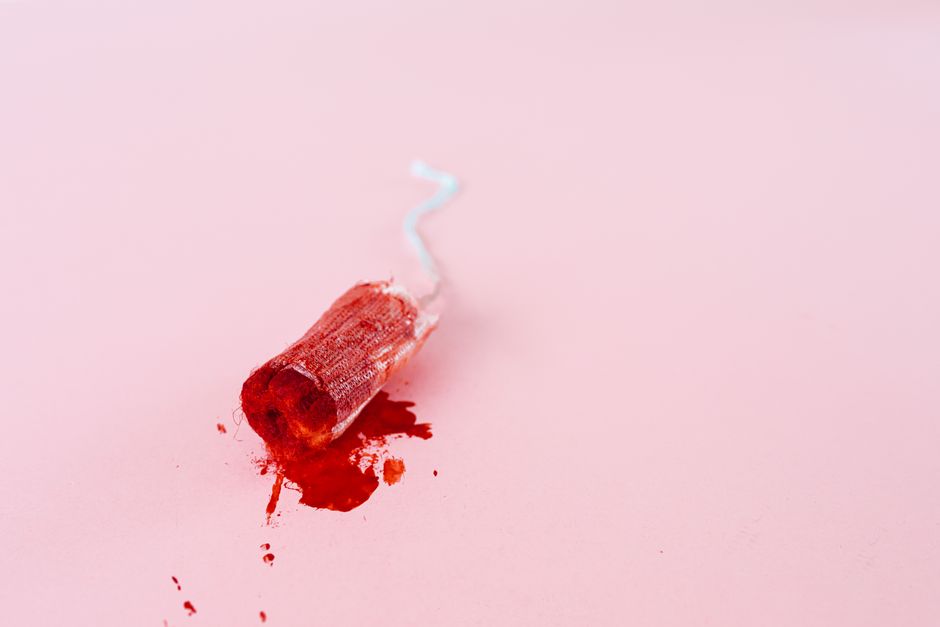
Seeing yellow discharge when you expect your period can be confusing. In most cases, it is completely normal and simply a sign of older blood mixing with cervical fluid. However, yellow discharge can also signal an infection, especially when it comes with a strong odor, itching, or burning. The key difference is the presence of other symptoms.
Why Is My Period Yellow Normal Vs Infection Signs?
Normal yellow discharge happens when menstrual blood takes longer to leave the body. Blood turns from bright red to brown or yellow as it oxidizes and mixes with vaginal fluid. This is common at the very start or end of your period.
Infection-related yellow discharge looks different. It is often thicker, clumpy, or foamy. It may have a fishy or foul smell. You might also notice vaginal itching, burning, or pain during urination. These symptoms point to an infection, not normal period blood.
If the yellow color appears without any discomfort or odor, it is likely normal. If it is accompanied by irritation or an unpleasant smell, it is worth getting checked.
What Causes Yellow Discharge During or Around Your Period?
The cervix produces mucus that changes in consistency throughout your cycle. This mucus can appear clear, white, or slightly yellow. When it mixes with menstrual blood, the color can shift.
At the end of a period, blood flow slows down. The remaining blood leaves the body slowly. During this time, it reacts with oxygen and appears brownish-yellow. This is the same chemical process that turns a cut scab from red to brown.
Cervical mucus itself can look yellow on certain days of your cycle. This is especially true just before your period when progesterone levels are high. The mucus becomes thicker and creamier, which can appear yellow on underwear or toilet paper.
What Do Different Shades of Yellow Mean?
Pale yellow discharge that is thin and odorless is usually normal. It often appears in the days leading up to your period and is simply cervical mucus.
Bright yellow or chartreuse discharge is more concerning. This color often indicates inflammation or infection. It can be a sign of a sexually transmitted infection or a bacterial imbalance.
Dark yellow or yellowish-brown discharge typically means old blood. This is common at the end of your period or during spotting. It is generally not a cause for concern unless it persists for many days after your period ends.
Yellow-green discharge is a stronger warning sign. This color is frequently associated with trichomoniasis, a common sexually transmitted infection. It is often frothy and has a strong odor.





Which Infections Cause Yellow Vaginal Discharge?
Several infections can change the color and smell of vaginal discharge. The most common ones include:
- Bacterial vaginosis (BV) — a bacterial imbalance that causes thin, grayish-yellow discharge with a fishy odor
- Trichomoniasis — a parasitic STI that causes frothy yellow-green discharge with a strong smell
- Chlamydia — a bacterial STI that can cause yellowish discharge, often with no other symptoms
- Gonorrhea — another bacterial STI that may produce yellow or green discharge
- Pelvic inflammatory disease (PID) — an infection of the reproductive organs that can cause yellow discharge along with pelvic pain
Yeast infections usually cause thick, white, cottage-cheese-like discharge. They rarely cause yellow discharge on their own. However, a yeast infection can mix with normal discharge and appear slightly yellow.
If you have yellow discharge plus pelvic pain, fever, or pain during sex, seek medical care promptly. These can be signs of PID, which requires treatment to prevent complications.
When Should You See a Doctor?
See a doctor if yellow discharge is accompanied by any of the following signs:
- A strong, fishy, or foul odor
- Itching, burning, or irritation around the vagina
- Pain or burning during urination
- Pain during sex
- Pelvic or lower abdominal pain
- Fever
- Yellow-green or frothy discharge
- Discharge that lasts more than a few days after your period ends
You should also see a doctor if you have multiple sexual partners or a new partner and notice any change in discharge. STIs like chlamydia often cause no symptoms at all. Testing is the only reliable way to know if you have one.
If you are pregnant and notice yellow discharge, contact your prenatal care provider. Hormonal changes during pregnancy can alter discharge, but infections during pregnancy need proper treatment.
How Are These Infections Diagnosed and Treated?
A doctor can usually determine the cause with a simple swab test. The sample is examined under a microscope or sent to a lab for analysis. Urine tests can also detect some STIs.
Treatment depends on the specific infection:
- Bacterial vaginosis — antibiotics, usually metronidazole or clindamycin
- Trichomoniasis — a single dose of an antiparasitic medication
- Chlamydia and gonorrhea — antibiotics, often doxycycline or ceftriaxone
- PID — a longer course of antibiotics, sometimes requiring hospitalization
Do not attempt to treat these infections with over-the-counter products. Vaginal creams for yeast infections will not help bacterial or parasitic infections. Using them delays proper treatment and can make symptoms worse.
If you are diagnosed with an STI, your sexual partners should also be tested and treated. This prevents reinfection and stops the spread to others.
Can You Prevent Abnormal Yellow Discharge?
Some causes of yellow discharge are not preventable. Normal hormonal changes and old blood are natural processes.
You can reduce your risk of infections that cause abnormal discharge:
- Use condoms consistently to lower the risk of STIs
- Avoid douching, which disrupts the natural balance of vaginal bacteria
- Wear breathable cotton underwear
- Change out of wet swimwear or workout clothes promptly
- Wipe front to back after using the bathroom
- Limit the number of sexual partners
Probiotics may help maintain healthy vaginal bacteria, but the evidence for their effectiveness is limited. Some studies suggest that oral or vaginal probiotics can help prevent bacterial vaginosis, but results are mixed. Eating yogurt with live cultures is not a substitute for medical treatment.
What About Yellow Discharge and Menopause?
After menopause, the vaginal lining thins and produces less natural lubrication. This can change the appearance of discharge. Yellow discharge after menopause is not normal and should be evaluated.
Postmenopausal bleeding or unusual discharge can be a sign of vaginal atrophy, which is thinning and drying of the vaginal walls. It can also indicate infection or, in rare cases, more serious conditions. A doctor can determine the cause and recommend appropriate treatment.
Can Birth Control Change Discharge Color?
Hormonal birth control can change the amount and consistency of cervical mucus. Some people notice their discharge becomes thicker or more yellow while on the pill, patch, or ring. This is usually harmless.
If you recently started a new contraceptive and notice yellow discharge without other symptoms, it is likely a hormonal effect. If the discharge is accompanied by odor, itching, or pain, the cause is more likely an infection.
Frequently Asked Questions
Can normal period blood look yellow?
Yes, blood that leaves the body slowly at the start or end of your period can appear yellow or brownish-yellow. This is old blood mixing with cervical mucus and is completely normal.
What does yellow discharge with odor mean?
Yellow discharge with a fishy or foul odor usually indicates an infection such as bacterial vaginosis or trichomoniasis. You should see a doctor for testing and treatment.
Is yellow discharge before period a sign of pregnancy?
Yellow discharge alone is not a reliable sign of pregnancy. Early pregnancy can increase discharge, but the color alone does not confirm pregnancy. Take a pregnancy test if your period is late.
How long does normal yellow discharge last?
Normal yellow discharge at the end of your period typically lasts one to three days. If it continues beyond that or comes with other symptoms, consult a doctor.
Yellow discharge is usually nothing to worry about. It is often just the body’s natural way of clearing old blood. Pay attention to the other signs — odor, itching, pain, and texture. These details tell you whether the discharge is a normal cycle variation or a sign that you need medical care.
