
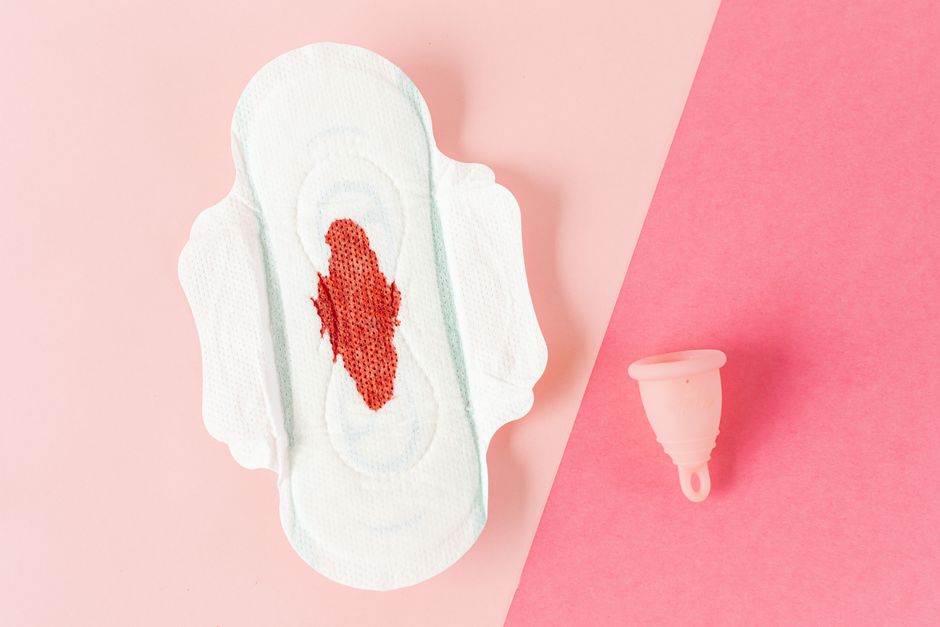
A period that suddenly becomes heavy is common, and it usually has a physical explanation. The medical term for heavy menstrual bleeding is menorrhagia, and it is typically defined as bleeding that lasts longer than 7 days or produces enough flow to soak through a pad or tampon every hour for several hours. Causes range from hormonal shifts and uterine growths to thyroid problems and bleeding disorders, and the right answer depends on your age, symptoms, and medical history.
Why Is My Period Suddenly So Heavy Causes Explained
Heavy bleeding almost always traces back to one of a few categories: hormones that control the uterine lining, structural changes in the uterus, or a problem with how blood clots. Sometimes more than one is at work.
During a normal cycle, estrogen builds up the lining of the uterus (the endometrium), and progesterone stabilizes it. When pregnancy doesn’t occur, progesterone drops, the lining sheds, and bleeding begins. If estrogen stays high without enough progesterone to balance it, the lining grows thicker than it should. When it finally sheds, the bleeding is heavier and often lasts longer.
This hormonal imbalance is especially common in two groups: teenagers in the first year or two after their periods start, and women in their 40s approaching menopause. In both cases, ovulation becomes irregular, and progesterone production suffers as a result.
Structural causes are the other major category. Fibroids, polyps, and adenomyosis can all increase the surface area of tissue that bleeds each month or interfere with the uterus’s ability to contract and stop the flow.
Less common but important: bleeding disorders, thyroid dysfunction, and certain medications. These are easy to miss because they don’t cause pelvic pain or obvious uterine changes.
What Counts as Heavy Menstrual Bleeding?
Doctors use specific criteria, not just a general sense that flow seems heavier. A period is generally considered heavy if any of the following apply:
- Bleeding lasts more than 7 days
- You soak through one pad or tampon every hour for several consecutive hours
- You need to double up on protection (pad plus tampon) to avoid accidents
- You pass blood clots larger than a quarter
- You need to change protection during the night
- Bleeding interferes with work, sleep, or daily activities
One practical clue: if you’re bleeding through a super tampon in under two hours, that’s worth a medical visit. Another: if you’re consistently anemic or feel exhausted during your period, the volume of blood loss may be higher than you realize.
Many women underestimate their flow. Research suggests a significant number of women who meet the clinical definition of heavy bleeding don’t describe their periods as heavy — they’ve simply adjusted their lives around it. That adjustment is itself a sign something may be worth evaluating.
Can Hormonal Changes Cause a Sudden Heavy Period?
Yes. Hormonal shifts are among the most common reasons a period that was previously manageable becomes heavy. The mechanism is straightforward: without adequate progesterone, the uterine lining overgrows and then sheds unevenly.
Perimenopause is a frequent culprit. During the years leading up to menopause — which can begin in the late 30s or 40s — ovulation becomes unpredictable. Some cycles produce no egg at all, which means no corpus luteum forms and no progesterone is made. Estrogen continues to stimulate the lining. The result is often a missed period followed by an unusually heavy one.
Thyroid disorders can also disrupt menstrual flow. An underactive thyroid (hypothyroidism) is more commonly associated with heavy bleeding, though an overactive thyroid can cause irregular or light periods. Thyroid testing is a standard part of evaluating new heavy bleeding.
Polycystic ovary syndrome (PCOS) is another hormonal cause. In PCOS, ovulation is infrequent, so the lining builds up over longer stretches and then sheds heavily when it finally does break down.
What Uterine Conditions Cause Heavy Periods?
Structural problems inside the uterus are a major cause of sudden heavy bleeding, especially in women over 35.
Uterine fibroids are noncancerous growths of muscle tissue. They’re extremely common — most women will develop at least one by age 50, though not all cause symptoms. Submucosal fibroids, which bulge into the uterine cavity, are the type most likely to cause heavy bleeding. They increase the surface area of the lining and can interfere with the uterus’s ability to clamp down on bleeding vessels.
Endometrial polyps are small growths of the uterine lining. They can cause unpredictable bleeding, spotting between periods, and heavier flow. They’re usually benign, but they should be evaluated.
Adenomyosis occurs when endometrial tissue grows into the muscular wall of the uterus. The uterus becomes enlarged and boggy, and periods become heavy and often painful. It’s more common in women who have had children and in women over 40, though it can occur earlier.
In rare cases, endometrial hyperplasia — an overgrowth of the lining that can progress to cancer — causes heavy bleeding. This is more likely in women over 45, women with obesity, and women with conditions that cause prolonged estrogen exposure without progesterone. Any new heavy bleeding after menopause is a red flag and needs prompt evaluation.
When Could a Bleeding Disorder Be the Cause?
Sometimes the problem isn’t the uterus or hormones — it’s how the blood clots. Bleeding disorders such as von Willebrand disease affect roughly 1 in 100 people, and heavy menstrual bleeding is often the first sign in women who have it.
Clues that a bleeding disorder might be involved include heavy bleeding since your very first period, a history of easy bruising or nosebleeds, prolonged bleeding after dental work or surgery, or a family history of bleeding problems. About 1 in 5 women with heavy menstrual bleeding may have an underlying bleeding disorder, though estimates vary.
Certain medications can also increase bleeding. Blood thinners (anticoagulants) and some anti-inflammatory drugs can make periods heavier. If you started a new medication and your periods changed, that timing matters.
How Do Doctors Figure Out the Cause?
Evaluation typically starts with a medical history and physical exam, then moves to targeted testing. There’s no single test that identifies the cause — it’s a process of elimination.
Common steps include:
- Blood tests to check for anemia, thyroid function, and clotting disorders
- Pelvic ultrasound to look for fibroids, polyps, or thickening of the uterine lining
- Endometrial biopsy to sample the uterine lining, usually recommended for women over 45 or those with risk factors for hyperplasia
- Hysteroscopy to directly visualize the inside of the uterus, sometimes combined with biopsy
If you’re in your 40s or older, an endometrial biopsy is often part of the workup. This is because the risk of endometrial cancer rises with age, and heavy bleeding can be the first symptom. It’s not a reason to panic — most biopsies come back normal — but it’s a reason to get evaluated rather than wait.
What Treatment Options Exist?
Treatment depends on the cause, your age, and whether you want to preserve fertility. Options range from medication to procedures.
Hormonal treatments — including birth control pills, hormonal IUDs, and progestin therapy — are commonly used to thin the uterine lining and reduce bleeding. Hormonal IUDs are among the most effective non-surgical options for reducing menstrual flow, and they’re supported by substantial clinical evidence.
Non-hormonal medications like tranexamic acid (an antifibrinolytic) and certain NSAIDs can reduce bleeding when taken during your period. These work by slowing the breakdown of blood clots or reducing inflammation.
For structural causes like fibroids or polyps, surgical options may be considered. Polyps can usually be removed during hysteroscopy. Fibroids can be treated with myomectomy (removal of the fibroids), uterine artery embolization, or in some cases hysterectomy. Endometrial ablation — which destroys the uterine lining — is an option for women who don’t want future pregnancies.
The right choice depends heavily on your individual situation. There is no single treatment that works for everyone, and what’s appropriate for a 35-year-old who wants children differs from what’s appropriate for a 52-year-old who doesn’t.
When Should You See a Doctor?
See a doctor if you’re soaking through a pad or tampon every hour for more than two hours, if you’re passing large clots, if you feel dizzy or short of breath, or if bleeding lasts more than 7 days. These can be signs of significant blood loss.
Also see a doctor if you have any bleeding after menopause, bleeding between periods, or heavy periods that are new and persistent. Even if you’ve had heavy periods for years, a change in pattern is worth discussing.
Heavy menstrual bleeding is one of the most common reasons women see a gynecologist. It’s treatable, and the evaluation is usually straightforward. The most important step is simply getting it checked rather than assuming it’s normal.
Frequently Asked Questions
Why did my period suddenly get so heavy?
Sudden heavy bleeding usually comes from a hormonal shift, a uterine growth like a fibroid or polyp, or a bleeding disorder. The only way to know which one is causing yours is to get evaluated by a doctor.
Can stress cause a heavy period?
Stress can affect the hormones that regulate your cycle, which may lead to irregular or heavier bleeding in some women. However, stress is rarely the sole cause of significantly heavy bleeding, and other causes should be ruled out.
Is a sudden heavy period a sign of cancer?
In most cases, no — fibroids, hormonal changes, and polyps are far more common causes. But heavy bleeding after menopause or bleeding that’s new and persistent in women over 45 should be evaluated to rule out endometrial cancer.
How do I know if my heavy period is an emergency?
Go to the emergency room if you’re soaking through a pad or tampon every hour for more than two hours, passing very large clots, or feeling dizzy, weak, or short of breath. These can be signs of dangerous blood loss.
