
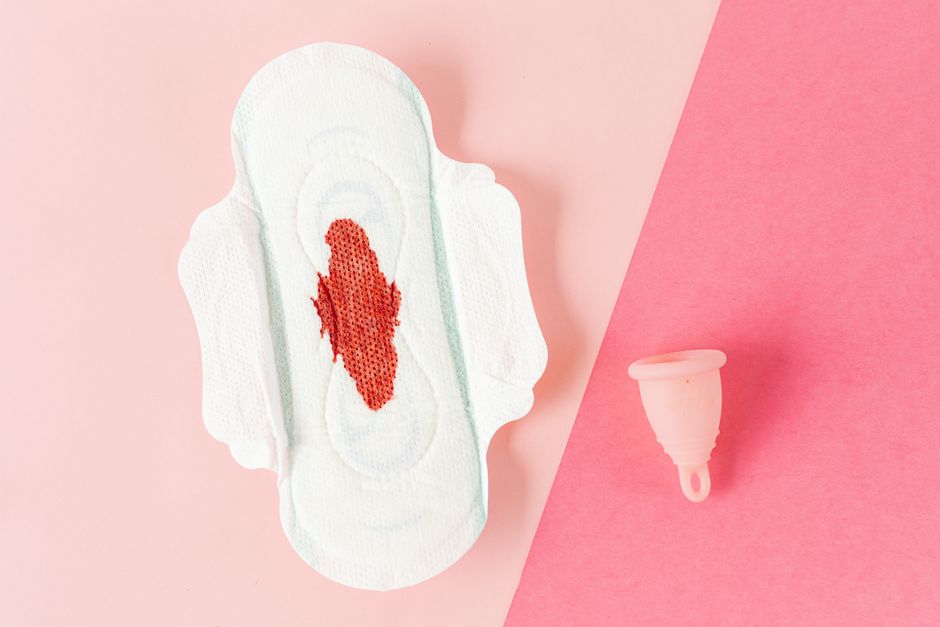
Most periods last between two and seven days. If yours is stretching past that — or suddenly running longer than it used to — the first thing to know is that a longer period is a symptom, not a diagnosis. It has many possible causes, some harmless and temporary, others worth checking. The second thing to know is that “longer than usual” is about your own pattern. A period that lasts six days every cycle is normal for you. A period that jumps from four days to eight is a change worth discussing with a clinician.
Doctors use the word menorrhagia for heavy or prolonged menstrual bleeding. Clinically, bleeding that lasts more than seven days is the common threshold. Prolonged bleeding is common — it is one of the most frequent reasons people seek gynecologic care — and it is treatable once the cause is identified.
Why Is My Period Lasting Longer Than Usual?
Menstruation happens when the lining of the uterus (the endometrium) sheds after an egg is not fertilized. Hormones — mainly estrogen and progesterone — control how thick that lining gets and when it breaks down. When the hormonal signaling shifts, or when the uterus itself has a structural issue, the shedding can take longer to stop.
That is the core mechanism behind most prolonged periods. The hormonal or structural trigger varies widely by age and health history, which is why the same symptom can point to very different causes in a 38-year-old and a 50-year-old. Age is one of the most useful clues a clinician uses.
One point that surprises many people: the length of bleeding is not the same as the amount of blood lost. A period can be long but light, or short but very heavy. Both matter, but they point to different concerns. Heavy bleeding is measured separately — soaking through a pad or tampon every hour for several hours, or passing large clots, is a sign to seek care promptly regardless of how many days it lasts.
What Causes a Period to Last Longer?
There is no single cause. What follows are the categories clinicians consider, roughly in order of how often they come up.
Hormonal shifts
Progesterone normally helps stabilize the uterine lining and signal a clean, complete shed. When ovulation does not happen reliably — which becomes more common in the years before menopause — progesterone drops, the lining builds up unevenly, and it can take longer to shed. This is a very common reason for changing periods in the mid-to-late 40s. Thyroid problems and elevated prolactin can also disrupt the cycle, so clinicians often check these with a blood test.
Structural causes in the uterus
Growths in the uterine cavity can interfere with normal shedding and prolong bleeding. These include:
- Uterine fibroids — noncancerous muscle growths, very common, and a frequent cause of longer and heavier periods
- Endometrial polyps — small overgrowths of the uterine lining
- Adenomyosis — endometrial tissue growing into the muscle wall of the uterus, often causing prolonged and painful bleeding
These are not dangerous in themselves, but they can significantly affect quality of life and are worth evaluating.
Medications and contraceptives
Some contraceptives, especially progestin-only methods and copper IUDs, can cause longer or irregular bleeding, particularly in the first months of use. Blood thinners and some other medications can also prolong bleeding. If your period changed after starting a new medication, mention it to your clinician.
Other health conditions
Bleeding disorders, significant weight change, intense physical stress, and some chronic conditions can all affect cycle length. Perimenopause — the transition years before menopause — is one of the most common times for periods to become longer, shorter, heavier, or unpredictable.
No clinical guidelines name a single most likely cause for any individual. The pattern of your bleeding, your age, and your history are what guide the workup.
When Should Prolonged Periods Be Checked by a Doctor?
Bleeding that lasts more than seven days should be evaluated. So should bleeding that is heavy enough to interfere with daily life, or that has changed noticeably from your normal pattern.
Some signs call for prompt attention rather than a routine appointment:
- Soaking through a pad or tampon every hour for two or more hours in a row
- Passing blood clots larger than a quarter
- Bleeding between periods or after sex
- Any bleeding after menopause
- Dizziness, fatigue, or shortness of breath that could suggest low iron from blood loss
Bleeding after menopause is not normal and should always be checked. Prolonged bleeding can also lead to iron-deficiency anemia over time, so fatigue alongside longer periods is worth mentioning.
How Is Prolonged Menstrual Bleeding Diagnosed?
There is no single test. A clinician typically starts with your history — cycle length, flow, clots, pain, and any recent changes — and a physical exam. From there, common steps include:
- Blood tests to check for anemia, thyroid function, and sometimes hormone levels
- Pelvic ultrasound to look for fibroids, polyps, or other structural causes
- Endometrial biopsy — a small sample of the uterine lining — often done when bleeding is prolonged, especially in people over 45, to rule out precancerous or cancerous changes
- Hysteroscopy, in some cases, to look directly inside the uterus
The choice of tests depends on your age, symptoms, and history. Not everyone needs all of them.
What Are the Treatment Options for a Long Period?
Treatment depends entirely on the cause, and there is no single approach that fits everyone. The honest position is that options range from watchful waiting to medication to procedures, and the right one depends on what is found, your age, and whether you want to preserve fertility.
Common categories include:
- Hormonal treatment — certain hormonal contraceptives can regulate and lighten bleeding; this is common clinical practice
- Non-hormonal medication — some drugs reduce bleeding, and clinicians may prescribe them depending on the cause
- Treating an underlying condition — for example, addressing a thyroid problem or removing polyps
- Procedures — in some cases, removing fibroids or other structural causes helps; more definitive options exist but are decisions made with a clinician based on individual circumstances
Iron supplementation may be recommended if blood tests show low iron or anemia. Do not start high-dose iron without a test confirming you need it — excess iron can be harmful.
This is informational only. Any treatment decision belongs with a clinician who has examined you and reviewed your test results.
Does a Longer Period Mean Something Serious?
Most often, no. The most common causes — hormonal shifts, fibroids, polyps, perimenopause — are not cancer. But “usually not serious” is not the same as “never serious,” and prolonged bleeding is one of the reasons clinicians check the uterine lining, particularly in people over 45.
The reassuring part is that the evaluation is straightforward and the causes are well understood. The unhelpful part is waiting. A period that has changed and stayed changed for several cycles is worth a conversation, even if you feel fine otherwise.
One clarification worth knowing: many people assume a longer period automatically means heavier bleeding. It does not. Length and volume are separate measurements, and a clinician will ask about both. Tracking your cycle — how many days, how heavy, any clots — gives you better information to bring to that appointment than memory alone.
Frequently Asked Questions
How many days is too long for a period?
Bleeding that lasts more than seven days is generally considered prolonged and worth evaluating. A period that is longer than your own usual pattern also deserves a conversation with a clinician.
Can stress make your period last longer?
Stress can affect the hormones that control the menstrual cycle, and some people notice cycle changes during stressful periods. Persistent changes lasting several cycles should still be checked rather than assumed to be stress.
Is it normal for periods to get longer in your 40s?
Changing periods are common in perimenopause, the transition years before menopause, and longer or irregular bleeding can be part of that. Because the same symptom can have other causes, new prolonged bleeding in your 40s is usually evaluated rather than assumed to be hormonal.
When should I worry about a long period?
Seek prompt care for bleeding so heavy you soak through a pad or tampon every hour for two or more hours, large clots, bleeding between periods, or any bleeding after menopause. For a period lasting more than seven days, a routine appointment is reasonable.
