
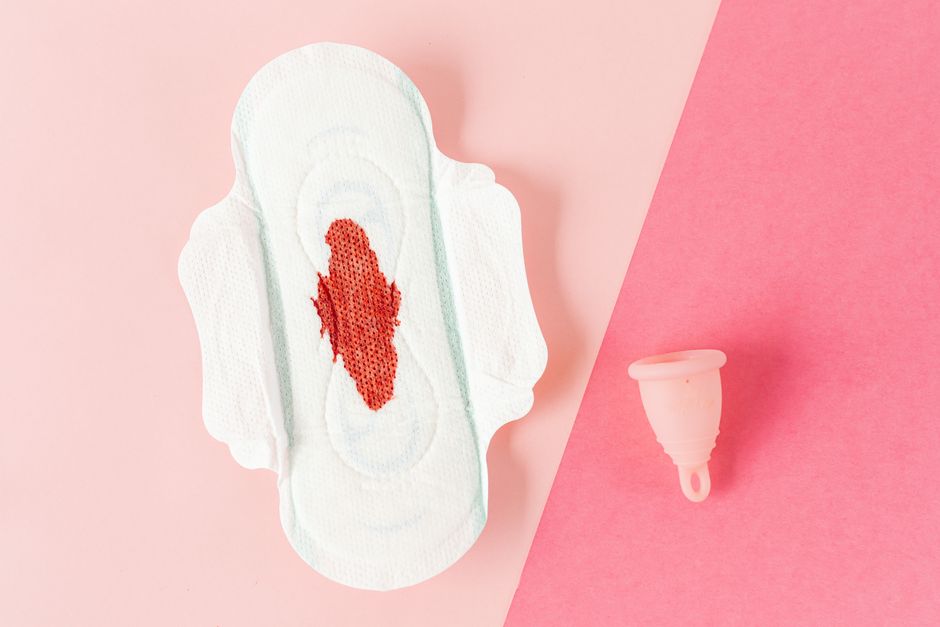
A period that is three days late is usually not a sign of a problem. Menstrual cycles naturally vary from month to month, and a few days of shift is common. The most frequent cause in sexually active people of reproductive age is pregnancy. In people who are not pregnant, stress, illness, travel, sleep changes, weight shifts, and hormonal conditions can all delay ovulation, which pushes the period back. Three days is within the range of normal cycle variation for many people.
The key thing to understand is that a late period is almost always about ovulation timing, not about the period itself. Once you know when you ovulated, a late period becomes much easier to interpret.
Why Is My Period 3 Days Late Causes Explained?
A period arrives roughly 14 days after ovulation. That second half of the cycle, called the luteal phase, is fairly stable in most people. So when a period is late, the usual explanation is that ovulation happened later than expected.
Anything that delays ovulation shifts the whole cycle. The period does not come “early” or “late” on its own schedule. It comes when the hormonal sequence that follows ovulation runs its course. Delay ovulation by three days and the period is three days late.
This is why cycle length varies between people and between months. A cycle of 24 days and a cycle of 32 days can both be normal for the same person. The luteal phase stays relatively constant while the first half of the cycle, before ovulation, is the part that moves.
Some people track their cycles and notice a period that is consistently a few days later than a phone app predicted. Apps estimate ovulation using averages, not your actual hormones. A three-day difference from an app’s prediction is not necessarily a late period at all.
What Are the Most Common Causes of a Slightly Late Period?
Pregnancy is the first thing to rule out in anyone who could be pregnant. A home pregnancy test is generally reliable once a period is a few days late, though testing very early can produce a false negative. If the first test is negative and the period still does not come, testing again a few days later is reasonable.
Beyond pregnancy, the common causes of a short delay cluster around anything that can shift ovulation:
- Stress. Physical or emotional stress can affect the hormones that control ovulation.
- Illness. A fever, infection, or a few days of poor sleep can delay ovulation.
- Travel and time zone changes. Disrupted sleep and routine can shift timing.
- Weight change. Losing or gaining weight, or dropping below a certain body fat level, can affect ovulation.
- Intense exercise. Heavy training loads can delay or suppress ovulation in some people.
- Hormonal contraception changes. Starting, stopping, or switching birth control can change bleeding patterns for a while.
- Perimenopause. Cycle length often becomes irregular in the years before menopause.
For many people, no clear cause is ever found, and the cycle simply returns to its usual rhythm the following month. That is common and generally not a concern on its own.
How Does Stress Delay a Period?
Stress affects a part of the brain called the hypothalamus, which controls the hormones that signal the ovaries. When stress is high, that signaling can be disrupted, and ovulation may be delayed or, in more extreme cases, skipped.
The effect is real but usually temporary. A stressful week, a difficult exam period, or a major life event can shift a cycle by a few days. Chronic, ongoing stress is more likely to cause longer or repeated disruptions than a single bad week.
It is worth separating two ideas that often get blended together. Stress can delay ovulation, but it does not usually cause a period to arrive early or on time in a predictable way. The relationship is loose, and many stressful months pass with no cycle change at all.
When Should a Late Period Concern You?
A single period that is a few days late is rarely a medical concern. The picture changes when delays become a pattern or come with other symptoms.
Consider talking to a clinician if any of the following apply:
- Periods are repeatedly more than a week late, or cycles are consistently irregular.
- You have gone several months without a period and are not pregnant.
- You have symptoms such as unusual pain, very heavy bleeding, or bleeding between periods.
- You are trying to conceive and cycles are unpredictable.
- You have signs of a hormonal condition, such as unusual hair growth, acne, or unexplained weight change.
One condition that comes up often is polycystic ovary syndrome, or PCOS, which can cause irregular ovulation and unpredictable cycles. It is one possible cause among several, not a diagnosis you can make from a late period alone. Only a clinician can sort out which explanation fits.
Thyroid problems and high prolactin levels can also affect cycle regularity. These are diagnosed with blood tests, not by symptoms alone.
Does a Late Period Always Mean Pregnancy?
No. Pregnancy is the most common cause in people who could be pregnant, but it is far from the only one. Many late periods happen in people who are not pregnant at all.
For people who are sexually active and not using contraception, a pregnancy test is the fastest way to settle the question. Home urine tests detect a hormone called hCG, which becomes detectable in most pregnancies around the time of a missed period. Testing too early, before hCG rises enough, can give a false negative.
For people who are not sexually active, or who use contraception consistently, pregnancy is unlikely and other causes become more relevant. Even with perfect use, no method is 100 percent effective, so a test is still reasonable if there is any doubt.
Can Weight, Exercise, and Diet Affect Your Cycle?
Yes. Body weight, body fat, and energy availability all influence the hormones that drive ovulation. Significant weight loss, rapid weight gain, or very low body fat can disrupt the cycle.
Intense exercise is a well-recognized factor. In some athletes and people who train very heavily, ovulation can become irregular or stop. This is sometimes called exercise-related menstrual dysfunction, and it reflects the body responding to a perceived energy shortage.
Diet matters mainly through its effect on energy balance and weight. Severe calorie restriction can affect cycle regularity. There is no single food that reliably delays or triggers a period, and claims that specific foods “reset” a cycle are not supported by good evidence.
If you have noticed cycle changes alongside weight or training changes, that connection is worth mentioning to a clinician. It helps narrow down the cause.
How Late Is Too Late?
There is no single cutoff that applies to everyone. Cycle length varies between people, and what counts as normal for one person may be unusual for another.
As a general guide, cycles between roughly 21 and 35 days are considered typical in adults, though individual variation is common. A period that is a few days outside your usual pattern is usually not meaningful on its own. A delay of more than a week, or a pattern of irregular cycles, is more worth investigating.
For teenagers in the first few years after their first period, cycles are often irregular and can vary widely. That is expected as the hormonal system matures. For people approaching menopause, cycles also commonly become unpredictable.
If you are unsure whether your pattern is normal, tracking your cycles for a few months gives a clinician useful information. A simple record of start dates and any symptoms is enough.
Frequently Asked Questions
Can stress alone make my period 3 days late?
Yes, stress can delay ovulation, which pushes the period back by a few days. The effect is usually temporary and the cycle often returns to normal the following month.
How soon can a pregnancy test show a positive result?
Most home urine tests can detect pregnancy around the time of a missed period, though testing very early can give a false negative. If the first test is negative and the period still does not come, testing again a few days later is reasonable.
Is a 3-day late period a sign of PCOS?
Not on its own. PCOS can cause irregular ovulation, but a single slightly late period is common and does not point to PCOS by itself. Repeated irregular cycles are more worth discussing with a clinician.
When should I see a doctor about a late period?
Consider seeing a clinician if periods are repeatedly more than a week late, cycles are consistently irregular, or you have gone several months without a period and are not pregnant. Unusual pain or bleeding between periods is also worth checking.
