
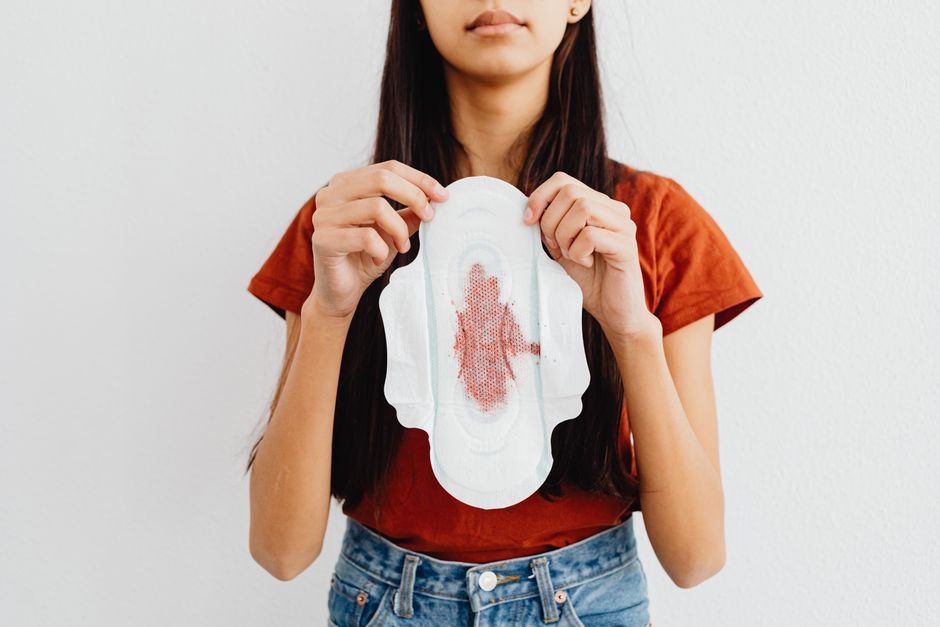
A period that lasts 13 days is longer than typical. Most menstrual periods last between two and seven days, according to the American College of Obstetricians and Gynecologists. Bleeding that continues past seven days is called menorrhagia, or heavy or prolonged menstrual bleeding. A 13-day period is not normal, and it is worth a conversation with a doctor. The cause could be something minor and treatable, or it could point to a condition that needs attention.
Why Is My Period 13 Days Long And What To Do?
When bleeding stretches to 13 days, the first step is understanding what is actually happening in your body. A typical cycle involves a precise sequence of hormonal signals. The lining of the uterus builds up, then sheds when hormone levels drop. When that shedding goes on far longer than usual, something has disrupted the normal pattern.
Prolonged bleeding does not always mean heavy bleeding. Some people have 13 days of light spotting or irregular flow. Others have several days of heavy bleeding followed by a week of lighter bleeding. Both patterns matter, and both deserve evaluation.
The most useful thing you can do right now is track your bleeding. Note how many days you bleed, how heavy the flow is each day, and whether you are passing clots larger than a quarter. Bring that record to your doctor. Specific details help narrow down causes faster than a vague description.
Do not wait if you are soaking through a pad or tampon every hour for several hours, feeling dizzy or faint, or experiencing chest pain or shortness of breath. Those are signs of possible heavy blood loss and need urgent medical care.
What Causes a Period to Last 13 Days?
Several conditions can cause bleeding that lasts this long. The cause matters because treatment depends on what is driving the bleeding.
Hormonal imbalances are one of the most common reasons. Conditions like polycystic ovary syndrome, thyroid disorders, and perimenopause can all disrupt the hormonal signals that control the menstrual cycle. When estrogen and progesterone fall out of balance, the uterine lining may build up unevenly and shed irregularly over a longer period.
Uterine fibroids are noncancerous growths in the uterus. They are common, especially in people in their 30s and 40s. Fibroids can distort the uterine lining and cause prolonged or heavy bleeding. Not all fibroids cause symptoms, but those that press into the uterine cavity often do.
Endometrial polyps are small growths on the lining of the uterus. They can cause irregular bleeding that lasts longer than normal. Polyps are usually benign but are typically removed because they can cause ongoing bleeding and, in some cases, contain abnormal cells.
Adenomyosis happens when tissue that normally lines the uterus grows into the muscular wall of the uterus. This can cause heavy, prolonged periods and significant cramping. It is more common in people who have had children and in those over 40, though it can occur earlier.
Bleeding disorders such as von Willebrand disease can cause prolonged menstrual bleeding. This is an inherited condition that affects how blood clots. It is worth considering if you have always had heavy periods or if you have a family history of bleeding problems.
Medications can also be a factor. Blood thinners, some hormonal contraceptives, and certain anti-inflammatory drugs can affect bleeding patterns. If you started a new medication and noticed a change in your period, mention it to your doctor.
Pregnancy-related causes include miscarriage or ectopic pregnancy. If there is any chance you could be pregnant, this needs to be ruled out right away. An ectopic pregnancy is a medical emergency.
Endometrial cancer is rare in younger people but becomes more common after menopause. Any postmenopausal bleeding needs prompt evaluation. In people under 40, endometrial cancer is uncommon but not impossible, especially with certain risk factors like obesity or chronic irregular cycles.
How Is Prolonged Bleeding Diagnosed?
Your doctor will start with your history. They will ask about the pattern of your bleeding, how long this has been happening, whether it is new or has been going on for months, and whether you have other symptoms like pain or fatigue.
Expect a physical exam and possibly a pelvic exam. Blood tests are common. These may include a complete blood count to check for anemia, thyroid function tests, and hormone levels. Your doctor may also test for bleeding disorders if your history suggests it.
Imaging is often the next step. A pelvic ultrasound is the most common. It can show fibroids, polyps, and other structural causes. Sometimes a saline infusion sonogram is used, where saline is placed in the uterus to get a clearer view of the lining.
An endometrial biopsy may be recommended, especially if you are over 45 or have risk factors for endometrial cancer. This involves taking a small sample of the uterine lining to check for abnormal cells.
A hysteroscopy is another option. A thin camera is inserted through the cervix to look directly inside the uterus. This can be done in a doctor’s office or as an outpatient procedure. It allows the doctor to see polyps, fibroids, or other abnormalities and sometimes remove them at the same time.
Not everyone needs every test. Your doctor will tailor the workup based on your age, symptoms, and risk factors.





What Are the Treatment Options for a 13-Day Period?
Treatment depends entirely on the cause. There is no single fix for prolonged bleeding because the underlying reasons vary so much.
If the cause is hormonal imbalance, hormonal contraceptives such as birth control pills, the vaginal ring, or a hormonal IUD are often used. These can regulate the cycle and reduce bleeding. A hormonal IUD is particularly effective at thinning the uterine lining over time, which often makes periods lighter and shorter.
For fibroids or polyps, treatment may involve surgical removal. Polyps are usually removed during a hysteroscopy. Fibroids can be removed with a procedure called myomectomy, which preserves the uterus. Some fibroids can be treated with medications that shrink them, though these effects are often temporary.
For adenomyosis, treatment options include hormonal IUDs, certain medications, or in some cases hysterectomy. The choice depends on symptoms, age, and whether you want to have children.
If a bleeding disorder is found, treatment may involve specific medications or treatments to help blood clot properly. This is usually managed with a hematologist.
Non-hormonal medications like tranexamic acid can reduce bleeding. This is a prescription medication taken during your period. It is not right for everyone, and your doctor will determine if it is appropriate for you.
Iron supplements may be recommended if you have developed anemia from blood loss. Your doctor will check your iron levels before recommending supplementation.
What Should You Do Right Now?
If you are currently on day 13 of your period, here is what to do next.
- Track your bleeding for the rest of this cycle. Note the number of days, flow heaviness, and any clots.
- Call your doctor to schedule an appointment. Mention how long you have been bleeding.
- Go to urgent care or the emergency room if you are soaking through protection every hour, feeling faint, or having severe pain.
- Do not start or stop any medication without talking to your doctor first.
- If you might be pregnant, take a home pregnancy test and see a doctor promptly.
One thing many people do not realize: a single episode of prolonged bleeding does not always mean something is seriously wrong. Stress, changes in weight, and even a one-time hormonal shift can cause a longer period. But when it happens repeatedly, or when it comes with heavy flow or other symptoms, it needs to be checked.
You are not overreacting by making an appointment. A 13-day period is outside the normal range, and getting an answer is the right move.
When to Seek Emergency Care
Some situations cannot wait for a routine appointment. Go to the emergency room or call 911 if you experience any of the following:
- Bleeding that soaks through one pad or tampon every hour for two hours or more
- Dizziness, fainting, or feeling like you might pass out
- Chest pain or difficulty breathing
- Severe abdominal or pelvic pain
- Bleeding after menopause
- Signs of pregnancy with heavy bleeding
These symptoms could indicate significant blood loss or another emergency. Do not drive yourself if you feel faint.
Frequently Asked Questions
Is a 13-day period normal?
No. A typical period lasts between two and seven days. Bleeding that continues for 13 days is considered prolonged and should be evaluated by a doctor.
Can stress cause a period to last 13 days?
Stress can affect hormone levels and may change your cycle, but it is unlikely to cause a 13-day period on its own. Other causes like fibroids, polyps, or hormonal conditions are more common.
What is the most common cause of prolonged menstrual bleeding?
Hormonal imbalances are among the most common causes, especially in people approaching perimenopause. Structural causes like fibroids and polyps are also frequent.
Should I go to the ER for a 13-day period?
Go to the ER if you are soaking through a pad every hour, feeling faint, or having severe pain. Otherwise, call your doctor for an urgent appointment.
