
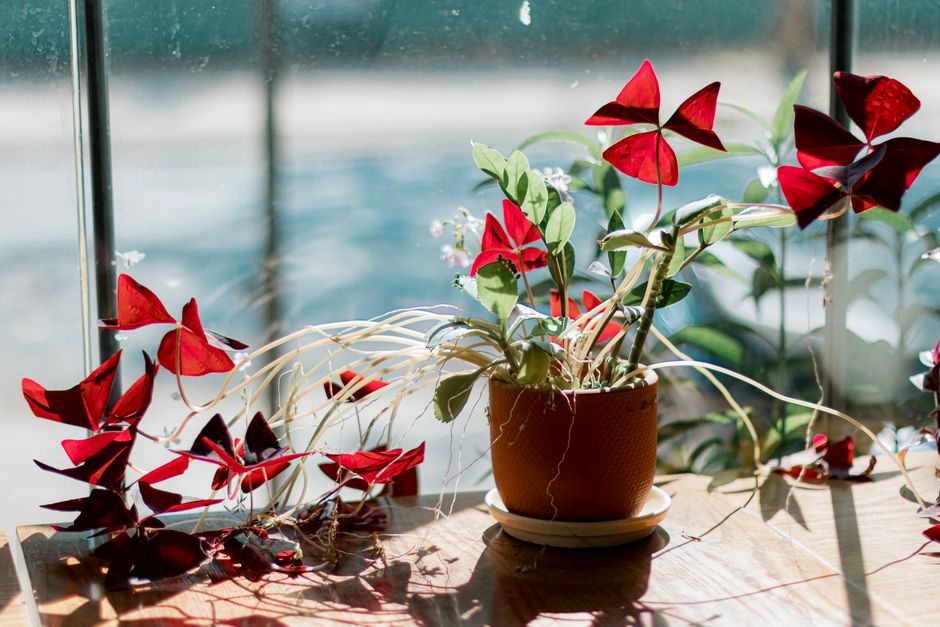
Your oxalis is dying because it is almost always either overwatered, getting too much direct sun, or entering its natural dormant cycle. The fastest way to revive it is to check the soil moisture immediately, move the plant to bright indirect light, and stop watering if the soil feels wet. Most people kill their oxalis with kindness — too much water is the number one cause of decline. Fix that one thing and your plant has a very good chance of bouncing back within two to three weeks.
What Actually Causes an Oxalis to Decline?
The most common cause is overwatering. Oxalis stores water in its bulbs and fleshy roots. When the soil stays wet for too long, the roots rot. You will see leaves turn yellow, then brown, then collapse at the base. The plant looks like it is melting from the bottom up.
Underwatering is less common but happens. If the leaves droop and the stems look thin and weak, the soil may be bone dry. Oxalis can handle some dryness but not for weeks at a time. The leaves will crisp at the edges and the plant will stop growing.
Light problems come next. Direct afternoon sun burns the leaves. They get bleached spots or turn pale green. Too little light makes the plant stretch toward the window. Stems get long and floppy. Leaves stay small.
Dormancy confuses many owners. Oxalis naturally dies back several times a year. The leaves turn yellow and fall off even when you are doing everything right. This is not a sign of trouble. It is a normal rest period that lasts two to six weeks.
How to Tell if Your Oxalis Is Overwatered or Just Dormant
This is the question that trips up most plant owners. The two conditions look almost identical. Both cause yellow leaves and leaf drop. But the fix for one is to stop watering completely. The fix for the other is to keep watering normally.
Check the soil first. Stick your finger two inches deep. If it feels wet or damp, overwatering is likely. If it feels dry, dormancy is more probable. Then check the stems. Overwatered stems feel mushy near the soil line. Dormant stems are dry and crisp but not mushy.
Look at the pattern of leaf loss. Overwatering causes leaves to yellow from the bottom up over several days. Dormancy causes all the leaves to yellow at roughly the same time over one to two weeks. If the whole plant is fading together, it is probably dormancy. If only the lower leaves are dying while new growth continues at the top, it is overwatering.
The surest test is the bulb check. Gently tip the plant out of its pot. Healthy bulbs are firm and pale. Rotten bulbs are soft, brown, and smell bad. If you find rotten bulbs, you need to act fast. If all bulbs are firm, let the plant rest.
What to Do When Your Oxalis Enters Dormancy
Many people throw away a perfectly healthy oxalis because they think it died. The plant is not dead. It is resting. Stop watering completely. Move the pot to a cool dark place. A basement or closet works well. Leave it alone for four to eight weeks.
Do not fertilize during dormancy. Do not repot. Do not cut the dead leaves off until they are completely dry. The plant is pulling nutrients from the dying leaves back into the bulbs. Cutting them early wastes that energy.
After six to eight weeks, check for new growth. Move the pot back to bright indirect light and water lightly. New shoots should appear within two weeks. Resume normal watering once the plant has several leaves. This cycle can happen two to three times per year. It is normal.





How to Fix an Overwatered Oxalis Before It Dies
If you caught the problem early, stop watering immediately. Let the soil dry out completely. This can take one to two weeks depending on pot size and room temperature. Do not water again until the top two inches of soil are dry to the touch.
If the plant has mushy stems or rotten bulbs, you need to act faster. Remove the plant from its pot. Cut away all soft brown roots and bulbs with clean scissors. Healthy bulbs are firm and white or pale yellow. Discard anything that is mushy or smells bad.
Repot the remaining healthy bulbs in fresh dry potting mix. Use a pot with drainage holes. Terracotta pots work well because they wick moisture away from the soil. Do not water for at least one week after repotting. Let the roots heal first.
After one week, water lightly. Keep the soil on the dry side for the next month. Oxalis recovers best when it is slightly underwatered than slightly overwatered. The bulbs store enough water to handle a few weeks of dryness.
What Light and Temperature Does Oxalis Actually Need?
Oxalis needs bright indirect light. A north or east-facing window is ideal. South or west windows are too harsh unless you filter the light with a sheer curtain. Direct afternoon sun burns the leaves in hours.
Signs of too much light include pale bleached spots on leaves, curled leaf edges, and leaves that close up during the day instead of opening. If you see these, move the plant further from the window or add a curtain.
Signs of too little light include long thin stems, small leaves, and leaves that stay closed at night. The plant will lean toward the window. Rotate the pot weekly to keep growth even. Move it closer to the light source gradually over a few days.
Temperature matters less than people think. Oxalis grows well between 60 and 75 degrees Fahrenheit. It can handle temperatures down to 50 degrees briefly. Cold drafts cause leaf drop. Keep it away from air conditioning vents and drafty windows in winter.
Common Oxalis Care Mistakes to Avoid
- Watering on a schedule. Water when the soil is dry, not on a calendar day. Stick your finger in the pot. If it is damp, skip watering for a few more days.
- Using a pot without drainage holes. Oxalis cannot survive in standing water. Drainage holes are non-negotiable. If your decorative pot has no holes, use a plastic nursery pot inside it and dump the saucer after watering.
- Fertilizing during dormancy. The plant cannot use the nutrients. They build up in the soil and burn the roots. Only fertilize during active growth, once per month at half strength.
- Repotting too often. Oxalis likes being slightly pot-bound. Repot only when bulbs push out of the soil or roots fill the pot completely. Every two to three years is enough.
- Cutting leaves during dormancy. Let the leaves die back naturally. The plant recycles nutrients from old leaves into the bulbs. Cutting them early weakens the next growth cycle.
How to Revive an Oxalis That Has Lost All Its Leaves
If your oxalis is a bare pot of soil with no green leaves at all, do not throw it away. The bulbs are likely still alive underground. Stop watering completely. Move the pot to a cool dark place for six to eight weeks.
After the rest period, bring the pot back to bright indirect light. Water lightly. New shoots should appear within two to three weeks. If nothing appears after four weeks, gently dig into the soil and check the bulbs. Firm bulbs mean the plant is still alive. Soft bulbs mean rot has taken over.
If the bulbs are rotten, you can still save the plant if any firm bulbs remain. Remove all rotten material. Repot the healthy bulbs in fresh dry soil. Water sparingly for the first month. Oxalis bulbs are surprisingly resilient. Even a single healthy bulb can produce a full plant within a few months.
Comparing Oxalis Problems: Quick Reference Guide
| Symptom | Likely Cause | What to Do |
|---|---|---|
| Yellow leaves from bottom up, mushy stems | Overwatering | Stop water, check for rot, repot if needed |
| All leaves yellow at once, stems dry | Dormancy | Stop water, move to dark cool spot, wait 6-8 weeks |
| Bleached spots on leaves, curled edges | Too much direct sun | Move to indirect light, add sheer curtain |
| Long thin stems, small leaves, plant leans | Too little light | Move closer to window, rotate pot weekly |
| Leaf edges crisp and brown | Underwatering or dry air | Water more often, mist leaves or use humidity tray |
| Leaves stay closed during day | Stress from overwatering or temperature shock | Check soil moisture, move away from drafts |
Why Is My Oxalis Dying And How To Revive It — The Simple Version
Check the soil moisture first. If it is wet, overwatering is the problem. Stop watering and let the soil dry. If the soil is dry and all leaves are yellowing together, dormancy is the cause. Stop watering and let the plant rest in a dark place. If the leaves have bleached spots, move the plant out of direct sun. If the stems are long and floppy, move it closer to a window.
Most oxalis deaths come from overwatering. The plant is forgiving if you catch it early. Let the soil dry out completely between waterings. Use pots with drainage holes. Give it bright indirect light. Accept that dormancy is normal and not a sign of failure.
If you do these things, your oxalis will likely recover within a few weeks. It is a tough plant that evolved to survive dry seasons and poor soil. It just needs you to get out of its way.
Frequently Asked Questions
How often should I water my oxalis?
Water only when the top two inches of soil feel dry to the touch. This is usually every 7 to 10 days but depends on your home conditions.
Can I save an oxalis with no leaves?
Yes, if the bulbs are still firm. Stop watering, let it rest in a dark place for 6 to 8 weeks, then bring it back to light and water lightly.
Why are my oxalis leaves closing and not opening?
Leaves that stay closed during the day usually indicate stress from overwatering, temperature shock, or too much direct sunlight.
Should I cut back my oxalis when it goes dormant?
No, let the leaves die back naturally. The plant recycles nutrients from dying leaves into the bulbs for the next growth cycle.
