
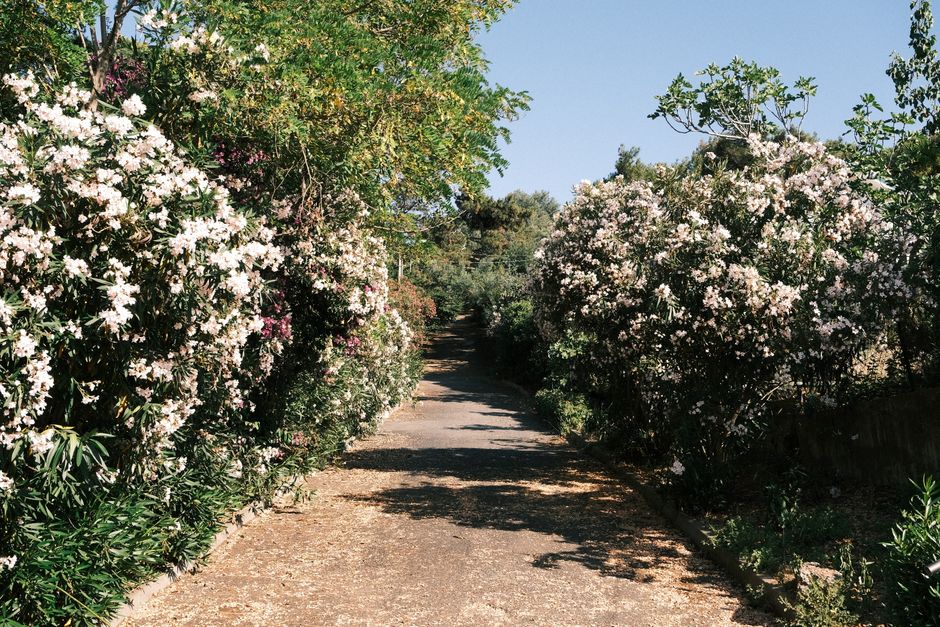
Oleander is a tough, sun-loving shrub that produces clusters of colorful flowers from spring through fall. When it refuses to bloom, the cause is almost always something simple: not enough sunlight, too much nitrogen, improper pruning, or stress from pests or weather. The fix usually involves moving the plant to full sun, switching to a low-nitrogen fertilizer, and pruning at the right time of year. Here is exactly what to look for and how to get your oleander flowering again.
Why Is My Oleander Not Blooming And How To Fix It
The single most common reason oleander fails to bloom is lack of direct sunlight. Oleander needs at least six hours of full, unfiltered sun per day to produce buds. If your plant is in shade or partial shade, the leaves will stay green but flowers will be sparse or absent. The fix is to transplant the shrub to a sunnier spot or trim back overhanging branches. Within one growing season you should see a dramatic increase in blooms.
Another frequent cause is too much nitrogen. Many general-purpose lawn or garden fertilizers are high in nitrogen, which pushes leaf growth at the expense of flowers. Switch to a fertilizer labeled for flowering shrubs, with a lower first number (nitrogen) and higher middle number (phosphorus). A formula such as 5-10-10 or 8-12-12 works well. Apply it once in early spring and again in midsummer, following package directions.
How Much Sun Does an Oleander Need to Bloom
Oleander is native to warm, sunny Mediterranean regions. It will grow in partial shade, but it will not flower well. Full sun—at least six hours of direct sunlight daily—is required for reliable blooming. Morning sun is especially important because it dries the leaves and reduces disease risk. If your plant gets less than four hours of direct sun, do not expect any flowers. Moving it or removing obstacles is the only reliable fix.
If you live in a very hot climate, light afternoon shade is acceptable as long as the plant gets strong morning sun. But in most cases, oleander is one of the few shrubs that thrives in even the harshest full-sun spots. Lean toward more sun, not less.
What Fertilizer Helps Oleander Bloom
Oleander is not a heavy feeder, but the wrong fertilizer can stop it from blooming. A high-nitrogen fertilizer (like 30-10-10) encourages lush green leaves at the cost of flowers. For blooms, use a balanced or bloom-boosting fertilizer with a lower nitrogen number. A ratio with phosphorus slightly higher than nitrogen supports flower bud development.
Too much fertilizer of any kind can also hurt. Over-fertilized oleander may grow too fast, becoming leggy and weak, and still fail to bloom. Apply a granular flowering shrub fertilizer once in early spring as new growth begins. If the plant is in a pot, a water-soluble bloom fertilizer every four to six weeks during the growing season is sufficient. Compost or well-rotted manure applied in spring also works well—and it releases nutrients slowly, which reduces the risk of overfeeding.





Should You Prune Oleander for More Flowers
Oleander blooms on new growth. That means pruning at the wrong time removes future flowers. The best time to prune is immediately after the main flush of bloom fades in late summer or early fall. This gives the plant time to produce new wood that will flower the next season. Avoid heavy pruning in late fall or winter, because you will cut off next year’s buds.
If you have an old, woody oleander that never blooms, a hard renewal prune can sometimes help. Cut the entire plant back to about 12 inches above the ground in early spring. It will regrow vigorously and should flower the following year. Note that this technique removes all flowers for one season, so it is a last resort for a shrub that has given up blooming entirely.
Are There Pests or Diseases That Prevent Blooming
Oleander is relatively pest-resistant, but two problems can reduce or stop blooming. The first is oleander aphid, a small yellow insect that clusters on new growth and flower buds. Heavy feeding can distort buds and cause them to drop. A strong blast of water from a hose knocks them off. Insecticidal soap or neem oil works if the infestation is severe.
The second is root rot from overwatering or poorly drained soil. Oleander is drought-tolerant and hates wet feet. Roots that stay soggy cannot deliver nutrients to the plant, and bud formation stops. Symptoms include yellowing leaves, wilting, and no flowers. The fix is to improve drainage—replant in raised beds or pots with drainage holes, and water only when the top few inches of soil are dry. Fungal diseases like leaf spot rarely affect blooming directly, but severe defoliation can stress the plant enough to reduce flowers.
Does Cold Weather Affect Oleander Blooming
Oleander is hardy in USDA zones 8 through 10. In colder zones it is often grown in containers and moved indoors for winter. A hard freeze can kill flower buds that formed in fall, so the next season’s bloom is lost. Even if the plant survives the cold, bud damage may prevent flowering for a whole year. If you live near the northern edge of its hardiness range, choose a protected south-facing spot and mulch the roots heavily before winter. In zones below 8, treat oleander as a houseplant or overwinter it in a garage or basement.
For container plants, bring them inside before the first frost. Place them in a bright, cool room and water sparingly. They will rest through winter and put out new growth—and buds—when moved back outside in spring.
Frequently Asked Questions
How long does it take for an oleander to start blooming after fixing the problem?
If you correct sunlight or fertilizer issues in early spring, new blooms typically appear within four to eight weeks. A plant that was heavily pruned may take a full growing season to flower again.
Can I use Epsom salt to make my oleander bloom?
Epsom salt provides magnesium and sulfur, which can help if a soil test shows a deficiency. But most soils have enough magnesium, and adding it without a test will not stimulate blooming and might cause imbalance.
Will my oleander bloom if I water it more often?
Oleander is drought-tolerant and actually prefers dry conditions. Overwatering can cause root rot and stop blooming entirely. Water deeply only when the top two inches of soil are dry.
Should I deadhead oleander to get more flowers?
Deadheading removes spent flower clusters and can encourage a second flush of blooms in late summer. It also keeps the plant tidy. Cut the stem just above a leaf node after the flower cluster fades.
