
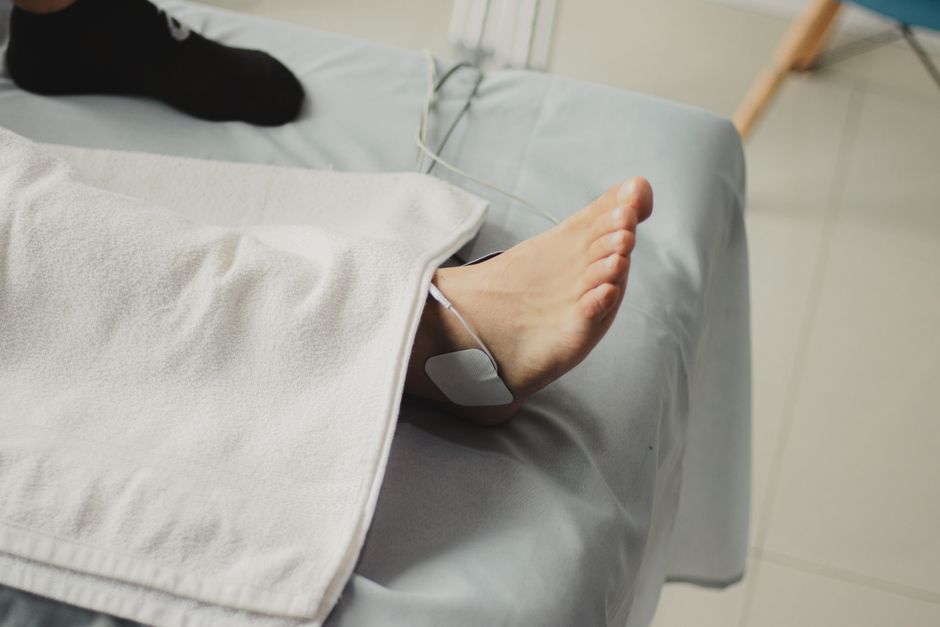
Many people with neuropathy notice that their symptoms get worse at night, specifically when they lie down. If you have nerve pain, tingling, or numbness in your feet or hands, you may find that getting into bed triggers a wave of discomfort that makes it hard to fall asleep.
The reason this happens is not because lying down damages your nerves. Instead, it comes down to a mix of physics, gravity, and how your brain processes pain signals. When you lie flat, blood flow to your extremities changes, pressure on certain nerves can increase, and the distractions of the day disappear. This leaves your brain with nothing to focus on except the signals coming from your feet and hands.
Why Is My Neuropathy Worse When I Lay Down?
The primary reason neuropathy feels worse when you lie down is a combination of reduced sensory distraction and changes in circulation. During the day, your brain is busy processing sights, sounds, and movement. This constant activity acts as a filter, masking some of the pain signals from your nerves. When you lie down in a quiet room, that filter is removed. The pain signals that were always there become the loudest thing in your awareness.
There is also a physical component. When you stand or sit, gravity pulls fluid downward into your legs and feet. When you lie flat, that fluid redistributes. For people with certain types of neuropathy, especially those related to diabetes or heart failure, this shift can cause blood vessels in the feet to swell slightly. This increased pressure can irritate already sensitive nerves.
Another factor is the position itself. Lying on your back or stomach can put direct pressure on nerves in the spine or hips. If your neuropathy has a component of nerve compression, like sciatica or spinal stenosis, lying flat can stretch or press on those nerves in a way that sitting does not. This is why some people find that sleeping in a recliner or with their head elevated reduces their symptoms.
What Is the Difference Between Nighttime Neuropathy and Restless Legs Syndrome?
Many people confuse neuropathy pain with restless legs syndrome (RLS), but they are different conditions. Neuropathy is caused by damage to the peripheral nerves. It typically causes burning, tingling, numbness, or sharp, electric-shock-like pain. These symptoms are usually constant, though they can fluctuate in intensity.
Restless legs syndrome is a neurological disorder that creates an overwhelming urge to move your legs. It often comes with uncomfortable sensations that are relieved by movement. The key difference is that RLS symptoms are usually worse at rest and better when you move. Neuropathy pain may also be worse at rest, but moving your legs does not typically make the pain go away.
It is possible to have both conditions at the same time. Some research suggests that people with neuropathy, especially diabetic neuropathy, have a higher risk of developing RLS. If you are unsure which condition you have, a neurologist can help tell them apart. This matters because the treatments are different.
How Does Blood Flow Change When You Lie Down?
When you stand, your heart has to work against gravity to pump blood to your feet. When you lie down, that resistance disappears. Blood flows more easily to your extremities. For most people, this is not a problem. But for people with neuropathy, this change can affect how nerves function.
Nerves need a steady supply of oxygen and glucose to work properly. If you have small blood vessel damage, which is common in diabetes, the nerves may already be struggling to get enough blood. When you lie down and blood flow changes, it can alter the pressure inside those tiny vessels. This can lead to a sensation of throbbing, warmth, or increased tingling.
In some cases, the opposite happens. If you have autonomic neuropathy, which affects the nerves that control blood pressure, lying down can cause a sudden spike in blood pressure. This is called supine hypertension. It can worsen nerve pain and cause headaches or a racing heart. If you notice your neuropathy is much worse when you lie flat and you also have dizziness when standing, talk to your doctor about autonomic testing.





Why Does Neuropathy Pain Seem Worse at Night?
Nighttime is when neuropathy pain often peaks, regardless of whether you are lying down. There are several reasons for this. First, your body’s natural pain-relieving chemicals, like endorphins, may fluctuate throughout the day. Some evidence suggests they are lower at night. Second, your cortisol levels drop in the evening. Cortisol is a hormone that helps suppress inflammation. Lower cortisol means less natural suppression of nerve inflammation.
Third, temperature changes matter. As your body prepares for sleep, your core temperature drops. For some people, cold makes neuropathy pain worse. If your feet get cold under the covers, the nerves can become more sensitive. Wearing loose socks or using a foot warmer can sometimes help, but you should check with your doctor first if you have loss of sensation, because you might not feel a burn.
Finally, fatigue itself lowers your pain threshold. When you are tired, your brain is less able to ignore pain signals. This creates a cycle: pain keeps you awake, and lack of sleep makes the pain feel worse the next night.
What Underlying Conditions Make Neuropathy Worse When Lying Down?
Several specific conditions can cause neuropathy that is noticeably worse when you lie down. Understanding the underlying cause is important because treatment differs.
- Diabetic neuropathy: High blood sugar damages small blood vessels that supply nerves. When you lie down, blood flow shifts, which can increase pain. This is the most common cause of peripheral neuropathy in the US.
- Spinal stenosis: Narrowing of the spinal canal can compress nerves. Lying flat may stretch the spine and increase pressure on those nerves. Some people with stenosis feel better when they bend forward or sit.
- Sciatica: Compression of the sciatic nerve often feels worse when lying on your back, especially if you have a herniated disc. Lying on your side with a pillow between your knees may reduce pressure.
- Chemotherapy-induced neuropathy: Some chemotherapy drugs cause nerve damage that can be position-dependent. Lying down may change how the nerves in the feet are loaded.
- Alcohol-related neuropathy: Long-term heavy alcohol use damages nerves. The pain is often constant but can feel sharper when you are at rest.
- Hypothyroidism: An underactive thyroid can cause nerve damage. Lying down may exacerbate symptoms if fluid retention is present.
If your neuropathy is worse when you lie down and you have not been diagnosed with a specific cause, you should see a doctor. They can run tests to check for diabetes, vitamin deficiencies, thyroid problems, and other treatable conditions.
What Can You Do About Neuropathy That Worsens When Lying Down?
There is no single fix for nighttime neuropathy, but several strategies can help. The evidence for some of these is stronger than for others. You should discuss them with your healthcare provider before making changes.
Elevate your legs. If fluid shifts are part of the problem, propping your feet on a pillow can reduce swelling. But if you have spinal stenosis, elevation may not help and could make it worse. Pay attention to what your body tells you.
Change your sleep position. Sleeping on your side with a pillow between your knees can take pressure off your spine and hips. Some people find that sleeping in a recliner reduces symptoms because it keeps the head and legs slightly elevated.
Keep your feet warm but not hot. Cold can trigger nerve pain. Loose, non-binding socks can help. Avoid heating pads if you have reduced sensation, because you may not feel a burn.
Talk to your doctor about medications. Several prescription medications are FDA-approved for diabetic peripheral neuropathy pain, including certain antidepressants, anticonvulsants, and topical patches. These are not cures, and they do not work for everyone. They also have side effects. But for some people, they make nighttime symptoms manageable.
Address the underlying cause. If you have diabetes, improving blood sugar control can slow nerve damage over time. If you have a vitamin B12 deficiency, supplementing can help. If you have hypothyroidism, treating it may reduce symptoms. These steps are not quick fixes, but they are the most important long-term strategy.
Try cognitive behavioral therapy for sleep. This is not a treatment for neuropathy itself, but it can help you cope with the pain and sleep better. Some studies show that CBT for insomnia can reduce the distress caused by chronic pain.
When Should You See a Doctor?
You should see a doctor if you have new or worsening neuropathy symptoms, especially if they are worse when you lie down. Neuropathy can be a sign of a serious underlying condition, including diabetes, kidney disease, or a vitamin deficiency. Early diagnosis and treatment can sometimes prevent further nerve damage.
You should also see a doctor if you have:
- Sudden weakness in your legs or feet
- Loss of bladder or bowel control
- Severe pain that wakes you from sleep
- Numbness that spreads quickly
- Signs of infection, like redness, swelling, or fever, in a foot with numbness
These can be signs of a medical emergency, such as cauda equina syndrome or a spinal cord compression. Do not wait to get help.
Frequently Asked Questions
Why does my neuropathy hurt more at night when I lie down?
At night, there are fewer distractions, so your brain notices pain signals more. Lying down also changes blood flow and can put pressure on nerves, which can make symptoms worse.
Is it bad to sleep flat on my back with neuropathy?
It depends on the cause. For some people, lying flat increases nerve pressure or fluid shifts. Sleeping on your side with a pillow between your knees or in a recliner may reduce symptoms.
Can neuropathy be worse when lying on my side?
Yes. If you have nerve compression in your spine or hips, lying on your side can stretch or press on those nerves. Changing sides or using supportive pillows may help.
Does raising my legs help neuropathy at night?
It may help if fluid buildup is part of the problem. But if you have spinal stenosis, elevation might not help and could make pain worse. Check with your doctor.
