
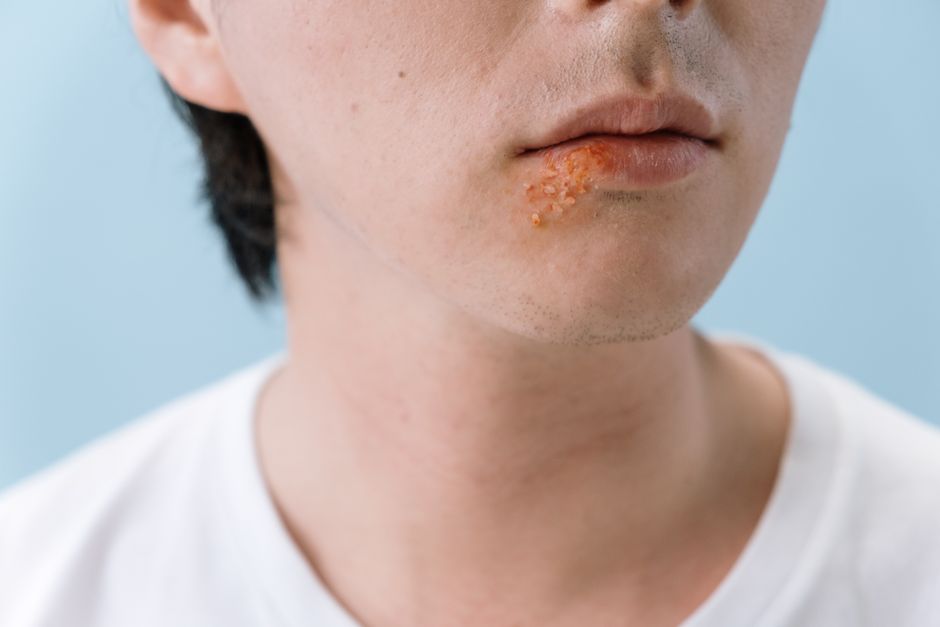
Mouth sores are painful, annoying, and they make eating, drinking, and even talking feel like a chore. The most common causes are canker sores (aphthous ulcers), accidental cheek bites, and cold sores from the herpes simplex virus. For most people, the sore heals on its own within one to two weeks, but knowing what kind of sore you have and why it started can help you manage the pain and avoid making it worse.
What Exactly Causes a Sore Mouth?
Mouth sores are not all the same. They come from different sources, and the treatment depends on the cause. The two most common types are canker sores and cold sores, but they are very different.
Canker sores are small, shallow ulcers that form inside the mouth on soft tissue like the cheeks, lips, or under the tongue. They are not contagious. Research published in the Journal of Oral Pathology & Medicine shows that about 20% of people get recurrent canker sores. The exact cause is not fully understood, but common triggers include stress, minor injury (like biting your cheek), acidic foods, and nutritional deficiencies in vitamin B12, folate, or iron.
Cold sores, on the other hand, are caused by the herpes simplex virus (HSV-1). They appear on the outside of the mouth, usually on the lips or around the border. They are contagious and often start with a tingling or burning sensation before the blister forms. The CDC estimates that 67% of people under age 50 have HSV-1, though many never get symptoms.
Other causes include fungal infections like oral thrush (common after antibiotics), allergic reactions to toothpaste or mouthwash, and autoimmune conditions like lichen planus or lupus. If you have a sore that lasts longer than two weeks, you should see a dentist or doctor.
How Do I Know If My Mouth Sore Is a Canker Sore or a Cold Sore?
This is the most common question people have, and the answer is usually clear once you look closely. Canker sores are always inside the mouth. They are round or oval with a white or yellow center and a red border. They are not blisters. They hurt, especially when you eat spicy or salty foods.
Cold sores are almost always outside the mouth. They start as a cluster of small, fluid-filled blisters that eventually crust over. They are contagious from the moment you feel the tingle until the scab completely heals. The American Academy of Dermatology notes that cold sores typically heal in 2 to 4 weeks without treatment, but antiviral medications can shorten that time.
| Feature | Canker Sore | Cold Sore |
|---|---|---|
| Location | Inside the mouth (cheeks, tongue, gums) | Outside the mouth (lips, around the mouth) |
| Appearance | White or yellow center, red border | Fluid-filled blisters, then crust |
| Contagious | No | Yes |
| Common trigger | Stress, injury, acidic foods | Virus reactivation (stress, sun, illness) |
| Healing time | 7–14 days | 7–14 days without treatment |
If you are still unsure, look at where the sore is. If it is on the lip or the skin around your mouth, it is almost certainly a cold sore. If it is on the soft tissue inside your cheek, it is a canker sore. This distinction matters because the treatments are different.
What Can I Do at Home to Help a Mouth Sore Heal Faster?
Most mouth sores heal on their own, but you can make the process more comfortable. For canker sores, the first step is to avoid foods that irritate the sore. Spicy, salty, and acidic foods like citrus, tomatoes, and chips will make the pain worse. Stick to soft, bland foods like yogurt, oatmeal, and mashed potatoes until the sore heals.
Over-the-counter products can help. Gels containing benzocaine or lidocaine numb the area temporarily. They are safe for short-term use but should not be used more than a few days in a row. Some people find that a mouth rinse made with warm salt water (half a teaspoon of salt in a cup of warm water) helps reduce irritation and keeps the area clean. Rinse gently—do not swish hard.
For cold sores, over-the-counter creams with docosanol (Abreva) can shorten healing time if applied at the first sign of a tingle. The National Institutes of Health reports that docosanol can reduce healing time by about half a day to a full day compared to no treatment. Prescription antiviral medications like acyclovir or valacyclovir work better but require a doctor visit.
One non-obvious point: do not pick at or pop a cold sore blister. The fluid inside is full of virus particles. Popping it spreads the virus to other parts of your lip and to other people. Let it dry out naturally.



When Should I See a Doctor or Dentist for a Mouth Sore?
Most mouth sores are not a medical emergency, but there are clear signs that you need professional help. The American Dental Association recommends seeing a dentist if a sore lasts longer than two weeks without healing. A sore that does not heal could be a sign of oral cancer, though that is rare. Other warning signs include a sore that bleeds easily, feels hard, or grows in size.
You should also see a doctor if you have a fever along with the sore, if you cannot eat or drink because of the pain, or if you get sores frequently and they interfere with your life. Some people get canker sores every few weeks, and that pattern may point to a nutritional deficiency or an underlying condition like celiac disease or Crohn’s disease.
If you have a weakened immune system from chemotherapy, an organ transplant, or a chronic condition like HIV, any mouth sore should be evaluated promptly. These infections can become serious quickly.
What Are the Common Misconceptions About Mouth Sores?
There is a lot of bad advice online about mouth sores. One of the most common myths is that putting aspirin directly on a canker sore helps. It does not. In fact, aspirin can burn the tissue and make the sore worse. The American Academy of Family Physicians warns against this practice.
Another myth is that mouth sores are always caused by poor oral hygiene. That is not true. Canker sores are not caused by not brushing. Cold sores are caused by a virus that has nothing to do with how clean your mouth is. Stress, hormones, and genetics play a much bigger role than hygiene.
Some people believe that you can “catch” a canker sore from someone else. You cannot. Canker sores are not contagious. Cold sores are contagious, but only through direct contact with the blister fluid or saliva. You cannot get a cold sore from a toilet seat or a towel.
A third misconception is that all mouth sores are caused by vitamin deficiencies. While a lack of B12, folate, or iron can trigger canker sores in some people, most people with recurrent canker sores have normal blood levels of these nutrients. Taking a multivitamin will not prevent sores if you are not deficient.
Why Is My Mouth Sore Causes And What To Do: A Quick Summary
This is the core question, and the answer depends on the type of sore. If your sore is inside your mouth and looks like a small white ulcer, it is likely a canker sore. Stop eating acidic or sharp foods. Use a numbing gel if needed. Rinse with salt water. It will heal in about a week.
If your sore is on your lip and starts with a tingle or a blister, it is likely a cold sore. Apply an antiviral cream at the first sign. Do not kiss anyone or share cups until it heals. Avoid direct sunlight on your lips, as UV light can trigger outbreaks.
If the sore is from biting your cheek or burning your mouth on hot food, the treatment is simple: give it time. Avoid irritating the area further. The tissue heals quickly in the mouth, usually within a few days.
If the sore is accompanied by a white coating on your tongue or inside your cheeks, it could be oral thrush. This is a fungal infection that requires antifungal medication from a doctor. It is common after taking antibiotics or using steroid inhalers for asthma.
The bottom line is that most mouth sores are not dangerous and will go away on their own. The real value in knowing the cause is knowing what to avoid and when to get help.
Frequently Asked Questions
Can stress really cause mouth sores?
Yes, stress is a well-documented trigger for canker sores and cold sores. Studies show that emotional stress can weaken the immune system and activate the herpes simplex virus or trigger an inflammatory response that leads to ulcers.
Is it safe to use hydrogen peroxide on a mouth sore?
Diluted hydrogen peroxide can be used as a mouth rinse, but full-strength hydrogen peroxide will burn healthy tissue. It is safer to use a salt water rinse or an over-the-counter product designed for mouth sores.
How long is a cold sore contagious?
A cold sore is contagious from the moment you feel a tingling sensation until the scab has completely fallen off and the skin underneath is healed. This is usually 7 to 14 days total.
Can toothpaste make canker sores worse?
Some people are sensitive to sodium lauryl sulfate (SLS), a foaming agent in many toothpastes. Research suggests that SLS-free toothpaste may reduce the frequency of canker sores in people who are prone to them.
