
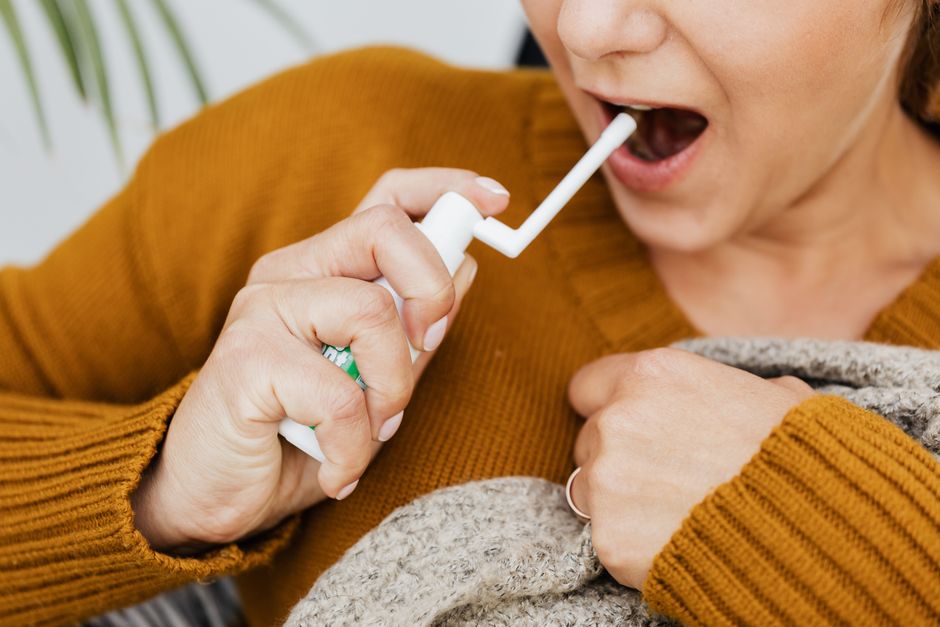
Dry mouth and throat happen when your salivary glands don’t make enough saliva to keep your mouth wet. Saliva is mostly water, but it also carries enzymes, minerals, and proteins that protect your teeth and keep tissues comfortable. When production drops, or when saliva evaporates faster than usual, the result is a dry, sticky, sometimes sore mouth and throat.
That simple explanation covers a wide range of causes. Some are temporary, like breathing through your mouth during a cold. Others are ongoing, like a medication side effect or a health condition that affects the salivary glands. Figuring out which one applies to you is the useful first step.
Why Is My Mouth And Throat So Dry?
Saliva production is controlled by the nervous system, and anything that disrupts that control can dry you out. The most common everyday cause is mouth breathing. When your nose is blocked by a cold, allergy, or deviated septum, you breathe through your mouth, especially at night. Air moving across the tissues carries moisture away, so you wake with a dry mouth and a scratchy throat.
Medications are the next big category. Hundreds of drugs list dry mouth as a side effect, including many antidepressants, antihistamines, blood pressure medicines, diuretics, and pain relievers. This is not a rare reaction. It is one of the most frequently reported medication side effects in clinical practice, particularly in older adults who often take several drugs at once.
Then there is true salivary gland dysfunction. This is different from a temporary dry spell. It means the glands themselves are producing less saliva. Causes include:
- Sjögren’s syndrome, an autoimmune condition that attacks moisture-producing glands
- Radiation therapy to the head or neck, which can damage salivary tissue
- Certain viral infections, including mumps
- Diabetes, which can affect saliva flow and hydration
- Chemotherapy, which can temporarily reduce saliva production
Dehydration, alcohol, smoking, and caffeine all contribute too. Alcohol and caffeine are mild diuretics, and alcohol also dries tissues directly. Anxiety and stress can reduce saliva flow, which is why your mouth goes dry before a speech or an interview.
What Is the Difference Between Dry Mouth and Dry Throat?
They often occur together, but they have somewhat different causes. Dry mouth, medically called xerostomia, is about saliva. Dry throat is more often about irritation or inflammation of the throat lining. A dry throat can come from mouth breathing, dry indoor air, allergies, acid reflux, or a mild respiratory infection.
The overlap matters because the fix differs. If your mouth is dry but your throat feels fine, the problem is likely saliva production. If your throat is scratchy but your mouth feels normal, look at air quality, reflux, or irritation. When both are dry at once, mouth breathing or a medication side effect is usually the reason.
One useful clue is timing. Dryness that is worst on waking points to mouth breathing or reflux overnight. Dryness that is constant all day points more toward a medication or a gland problem.
When Should You See a Doctor About Dry Mouth?
Occasional dryness is normal and rarely serious. Persistent dryness that lasts for weeks, or that comes with other symptoms, deserves a medical look. See a clinician if you notice:
- Dryness that does not improve with water and simple changes
- Difficulty swallowing, chewing, or speaking
- A dry mouth that makes it hard to taste food
- Frequent cavities or gum problems, which can follow long-term low saliva
- White patches, sores, or a burning feeling in the mouth
- Dry eyes alongside dry mouth, which can point to Sjögren’s syndrome
- Unexplained weight loss, fever, or swollen glands
The dry eyes plus dry mouth combination is worth flagging. It is a classic pattern in autoimmune conditions, and it is the kind of thing people often dismiss as unrelated annoyances. Mentioning both to your doctor gives them a clearer picture.
How Does Dry Mouth Affect Your Teeth and Gums?
Saliva is a natural defense for your teeth. It washes away food particles, neutralizes acids from bacteria, and supplies calcium and phosphate that help repair the enamel surface. When saliva flow drops, that protection weakens.
The clinical consequence is real. People with chronic dry mouth tend to develop more cavities, especially along the gum line and at the edges of fillings. Gum disease can also worsen. This is why dentists take dry mouth seriously and why regular checkups matter more, not less, when your mouth runs dry.
Drinking water throughout the day helps. So does limiting sugary drinks and snacks, since the acid and sugar linger longer without saliva to clear them. Some clinicians recommend fluoride products for people with persistent dryness, though this is a conversation to have with your dentist rather than a universal recommendation.
What Helps Relieve Dry Mouth and Throat?
Simple measures help many people. Sip water regularly rather than gulping large amounts at once. Chew sugar-free gum or suck on sugar-free lozenges, which stimulate saliva flow. Avoid alcohol-based mouthwashes, which can make dryness worse. A humidifier in the bedroom can help if you breathe through your mouth at night.
If a medication is the cause, talk to your prescriber before making changes. Never stop a prescribed drug on your own. Sometimes a dose adjustment or a switch to a different drug in the same class is possible, but that decision belongs to your clinician.
For people with persistent dryness from a known cause, some clinicians recommend saliva substitutes or prescription products that stimulate saliva production. The evidence for these varies by product, and they work better for some causes than others. They are not a universal fix. If your dryness stems from an autoimmune condition or radiation damage, a specialist such as a rheumatologist or an oral medicine specialist is the right person to guide treatment.
Does Dry Mouth Mean You Are Dehydrated?
Not necessarily. Dehydration is one cause, but it is far from the only one, and many people with dry mouth drink plenty of water. If you are dehydrated, you usually have other signs too, such as dark urine, thirst, fatigue, or dizziness.
Ruling dehydration in or out is easy enough. If drinking more water throughout the day fixes the dryness, dehydration was likely a factor. If the dryness persists despite good hydration, look elsewhere, particularly at medications and mouth breathing.
Older adults are more prone to both dehydration and dry mouth, partly because thirst signals weaken with age and partly because medication use rises. That combination makes dry mouth more common in this group, but it is not a normal part of aging that you simply have to accept.
Can Anxiety or Stress Cause a Dry Mouth?
Yes. The nervous system controls saliva flow, and stress shifts the body into a fight-or-flight state that reduces saliva production. This is why your mouth goes dry before a big presentation or a difficult conversation. It is a normal physiological response, not a sign of anything wrong.
The dryness usually passes once the stressful moment ends. If you notice persistent dryness tied to ongoing anxiety, addressing the anxiety itself may help, and that is a conversation worth having with a clinician or mental health professional. Chronic stress can also lead to mouth breathing and clenching, both of which add to the problem.
What About Dry Throat at Night?
Nighttime dryness is common and usually has a clear cause. Mouth breathing during sleep is the most frequent culprit, often driven by nasal congestion, allergies, or sleep apnea. Sleeping with your mouth open lets air dry the tissues for hours.
Acid reflux can also cause a dry, irritated throat in the morning, because stomach acid reaches the throat when you lie down. If you wake with a sour taste, a hoarse voice, or a chronic cough along with the dryness, reflux is worth discussing with your doctor.
Dry indoor air, especially in winter or in air-conditioned rooms, adds to the effect. A humidifier and keeping your bedroom cool and well ventilated can make a difference. If you suspect sleep apnea, meaning loud snoring, gasping, or daytime fatigue, that deserves medical evaluation rather than home remedies.
Frequently Asked Questions
What is the most common cause of dry mouth and throat?
Medications and mouth breathing are the two most common causes in everyday practice. If you take several prescriptions or wake with a dry mouth, one of these is the likely reason.
Can dry mouth be a sign of something serious?
It can be, though most cases are not. Persistent dryness with dry eyes, difficulty swallowing, or ongoing dental problems warrants a medical evaluation to rule out conditions like Sjögren’s syndrome or salivary gland dysfunction.
Does drinking water fix dry mouth?
It helps if dehydration is the cause, but it will not fix dryness caused by medications or gland problems. Sipping water throughout the day is still a reasonable first step.
Is dry mouth a normal part of aging?
No. Dry mouth is more common in older adults, but that is largely because medication use and certain health conditions increase with age, not because aging itself reduces saliva.
