
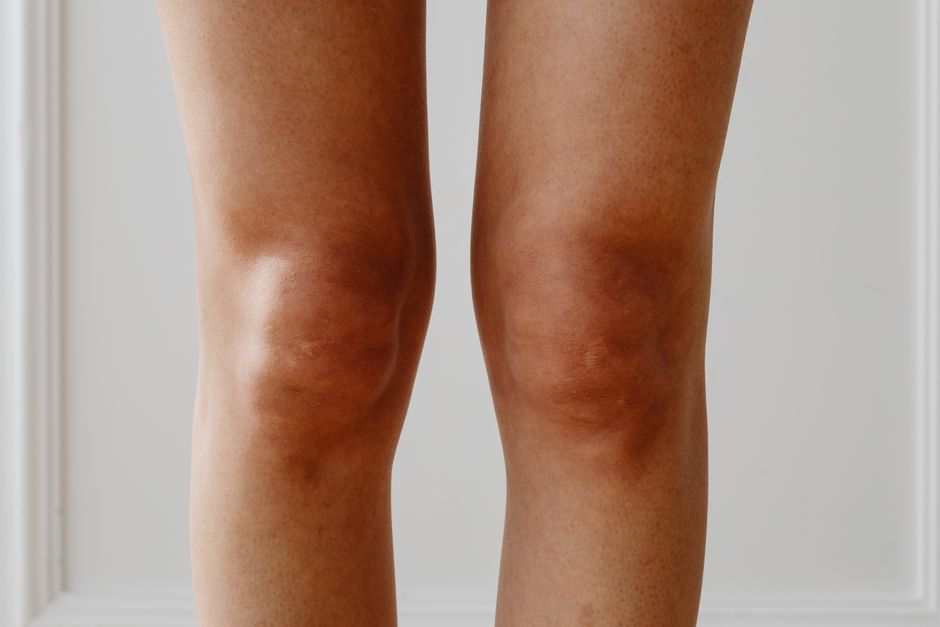
Your knee clicks when you walk because gas bubbles in the joint fluid are popping, a tendon is snapping over a bony bump, or a piece of cartilage is catching between the bones. Most of the time, this clicking is completely harmless and not a sign of damage. The sound alone, without pain or swelling, is rarely something to worry about. But if the clicking comes with pain, catching, or a feeling that your knee is giving way, that changes the picture and warrants a closer look.
What Causes the Clicking Sound in Your Knee
The medical term for this clicking is crepitus. It describes any audible or feelable crackling, popping, or grinding in a joint. In the knee, several structures can produce these sounds, and knowing which one is making the noise helps you understand whether it matters.
The most common cause is gas bubbles. Your knee joint contains synovial fluid, which acts as a lubricant. This fluid holds dissolved gases like oxygen, nitrogen, and carbon dioxide. When you bend or straighten your knee, the pressure inside the joint changes. The gas can form tiny bubbles, and when those bubbles pop, you hear a click. This is the same mechanism behind knuckle cracking. It is harmless and does not damage the joint.
Another common cause is tendons or ligaments snapping over bone. The iliotibial band, a thick band of tissue running down the outside of your thigh, can catch on the bony bump at the outer edge of your knee. The hamstring tendons on the back of the knee can do the same thing. When these tissues slide over bone, they produce a distinct snap or click with each step. This is often more of a sensation than a sound, but you can hear it too.
A less common but more important cause is cartilage damage. The meniscus is a C-shaped piece of cartilage that cushions your knee. If it tears, a loose flap can move around inside the joint. When that flap gets caught between the bones, you may feel or hear a click. This type of clicking is usually accompanied by pain, swelling, or a locked feeling where your knee gets stuck and cannot fully straighten.
Osteoarthritis can also cause clicking. As cartilage wears down over time, the bones rub more directly against each other. This produces a grinding sensation rather than a sharp click. It often sounds like gravel or sand inside the joint and tends to come with stiffness, especially in the morning.
When Knee Clicking Is Normal and When It Is Not
Pain-free clicking that happens occasionally during movement is normal. Studies have found that most people with healthy knees experience some degree of crepitus. It is not a predictor of future knee problems. You can have noisy knees for decades and never develop arthritis or any other condition.
The clicking becomes more concerning when it is accompanied by other symptoms. Pain is the most important one. If the click hurts, something is likely rubbing or catching that should not be. Swelling is another red flag. Swelling within a few hours of activity suggests inflammation inside the joint. A feeling that the knee is unstable or going to give way is also significant. Locking, where the knee gets stuck in one position and you have to wiggle it to free it, points toward a meniscus tear.
The pattern of the clicking matters too. A click that happens every single step, at the same point in your stride, is more likely to be a tendon or band snapping over bone. A click that happens unpredictably, sometimes with a sharp pain, is more likely to be a loose piece of cartilage. A grinding sound that has gotten progressively louder over months or years suggests wear and tear.
If you have any of these warning signs, it is reasonable to have the knee evaluated. If you have pain-free clicking with no swelling and no instability, you do not need medical attention for the sound itself.
Why Is My Knee Clicking When I Walk: The Mechanics
Understanding the anatomy helps clarify why the sound happens during walking specifically. Walking involves a repeated cycle of bending and straightening the knee. Each step loads the joint with forces several times your body weight. The kneecap glides up and down in a groove at the front of the joint. The menisci shift slightly to accommodate the changing angles. Tendons slide over bone surfaces.
With this much movement happening hundreds of times per minute, there are many opportunities for a sound to occur. The knee is not a simple hinge. It is a complex joint with multiple moving parts that must coordinate precisely. Small variations in anatomy, muscle tightness, or alignment can change how these parts interact.
For example, if your quadriceps muscles are weak, your kneecap may not track perfectly in its groove. It can rub against the edges of the groove, producing a click. If your hip muscles are weak, your thigh bone may rotate slightly inward with each step. This changes the angle at which the kneecap moves and can cause it to catch. These are biomechanical issues, not structural damage. They can often be improved with targeted strengthening.
The timing of the click can tell you something about its source. A click at the beginning of the movement, when you first bend your knee, is often gas bubbles. A click at a specific angle, like when your leg is nearly straight, is more often a tendon snapping over bone. A click that happens mid-stride, right when your foot hits the ground, may relate to how the joint is loading.



How to Tell if Your Knee Clicking Needs Medical Attention
Start by asking yourself three questions. Is there pain? Is there swelling? Is there any feeling of instability or locking? If you answer no to all three, the clicking is almost certainly benign. You do not need to see a doctor for the sound alone.
If you answer yes to any of them, you should consider an evaluation. A doctor will examine your knee, checking for tenderness, swelling, range of motion, and ligament stability. They may order imaging. An X-ray shows bone alignment and joint space narrowing, which indicates arthritis. An MRI shows soft tissue, including the meniscus, ligaments, and cartilage surfaces.
The physical exam is often more informative than imaging. A skilled examiner can often reproduce the click and determine its source. They can feel whether the kneecap is tracking properly and test specific ligaments and tendons. Imaging is used to confirm or rule out specific injuries, not to diagnose the cause of a sound.
There is no evidence that pain-free clicking leads to arthritis or any other knee condition. The presence of crepitus alone does not predict future joint problems. If you have no other symptoms, you can confidently ignore the sound.
Can You Prevent or Reduce Knee Clicking
If the clicking bothers you, even without pain, there are steps you can take. Strengthening the muscles around the knee is the most evidence-based approach. Strong quadriceps help the kneecap track properly. Strong hip muscles keep the thigh bone aligned. Both can reduce abnormal mechanics that contribute to clicking.
Simple exercises include straight leg raises, wall sits, and step-ups. These target the quadriceps without putting excessive load on the joint. Hip strengthening exercises like clamshells and side-lying leg lifts address the muscles that control thigh rotation. Consistency matters more than intensity. A few exercises done regularly over several weeks can change how the knee moves.
Stretching can help if tight muscles are pulling the kneecap out of alignment. The quadriceps, hamstrings, and iliotibial band are the most relevant. Foam rolling the outside of the thigh can release tension in the iliotibial band, which may reduce snapping over the bone.
Maintaining a healthy weight reduces the load on your knee joints. Every pound of excess weight adds roughly four pounds of pressure across the knee during walking. Reducing that load can decrease wear and tear over time, though it may not directly stop the clicking.
There is no evidence that supplements stop knee clicking. Glucosamine and chondroitin are often marketed for joint health, but studies on their effectiveness have produced mixed results. They do not address the mechanical causes of clicking. If you are considering any supplement, discuss it with your doctor first.
Exercises That Help With Knee Clicking
The exercises that help with clicking are the same ones that help with general knee health. They focus on strengthening the muscles that control knee movement and improving the tracking of the kneecap.
Quadriceps strengthening is the foundation. Straight leg raises work the quadriceps without bending the knee. Lie on your back, bend one knee, and lift the other leg to the height of the opposite knee. Hold for a few seconds and lower slowly. Wall sits strengthen the quadriceps while the knee is bent. Slide your back down a wall until your thighs are parallel to the floor, hold, and stand back up.
Hip strengthening matters more than most people realize. The gluteus medius controls thigh rotation during walking. If this muscle is weak, the thigh rotates inward and the kneecap tracks poorly. Clamshells target this muscle directly. Lie on your side with knees bent, keep your feet together, and open your knees like a clam shell.
Balance exercises improve the coordination of all these muscles. Standing on one leg for 30 seconds at a time challenges the stabilizers around the knee. Progressing to standing on an unstable surface, like a pillow, adds difficulty. These exercises train the knee to respond to the demands of walking.
Start with low repetitions and increase gradually. If any exercise causes pain, stop and consult a professional. A physical therapist can design a program specific to your anatomy and movement patterns.
When to See a Doctor for Knee Clicking
See a doctor if your knee clicking comes with pain that lasts more than a few days. See a doctor if the knee swells. See a doctor if the knee locks or catches, or if it feels unstable. These symptoms suggest a structural problem that may need treatment.
Sudden onset of clicking after an injury warrants evaluation. If you twisted your knee and now it clicks and hurts, you may have damaged the meniscus or a ligament. Delaying treatment can allow the injury to worsen.
Persistent clicking with progressive pain or stiffness should also be evaluated. This pattern suggests arthritis or another degenerative condition. Early diagnosis gives you more treatment options.
A doctor can determine the source of the click and recommend appropriate treatment. This may include physical therapy, activity modification, or in some cases, surgery. Most knee problems do not require surgery, and conservative treatment is usually tried first.
Frequently Asked Questions
Is knee clicking without pain normal?
Yes, pain-free knee clicking is common and usually harmless. It is typically caused by gas bubbles or tendons moving over bone, not by damage to the joint.
Can knee clicking lead to arthritis?
No evidence shows that pain-free clicking causes arthritis. The clicking sound itself does not damage the joint or predict future joint problems.
What does a clicking knee with pain mean?
Clicking with pain may indicate a meniscus tear, cartilage damage, or patellofemoral issues. This combination of symptoms warrants a medical evaluation.
How do I stop my knee from clicking when I walk?
Strengthening your quadriceps and hip muscles can improve kneecap tracking and reduce clicking. Stretching tight muscles and maintaining a healthy weight also help.
