
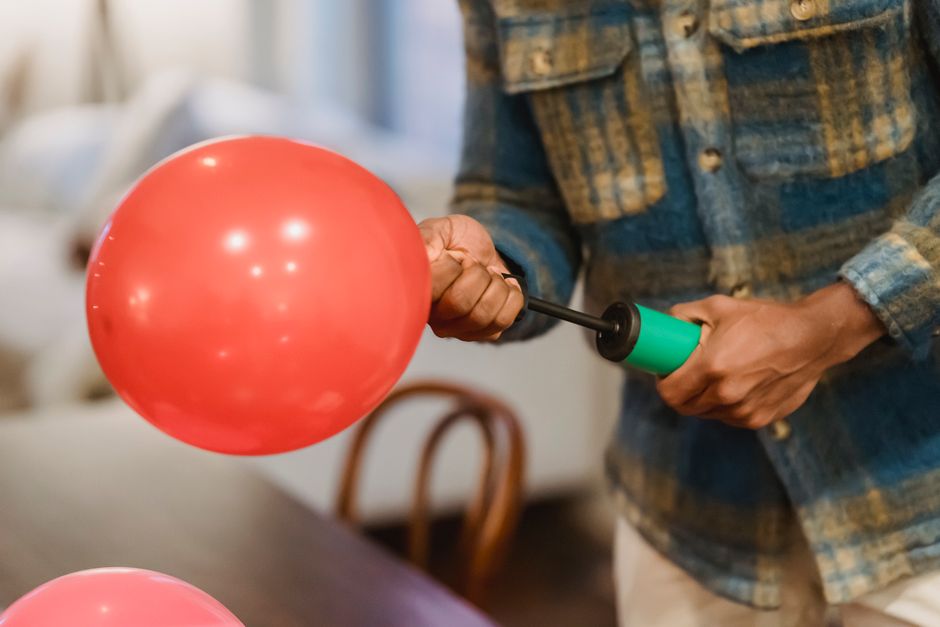
An inflatable that will not inflate is frustrating, whether it is a mattress, a pool toy, or a decorative yard piece. The problem usually comes down to one of four things: a power or battery issue with the pump, a leak in the material, a blocked air path, or a simple setup mistake. Checking these areas in order will solve most inflation problems quickly without replacing the item.
Why Is My Inflatable Not Inflating Causes Fixes
The most common reason an inflatable fails to fill with air is that the pump cannot deliver enough airflow. Before inspecting the inflatable itself, test the pump on a different item or feel the air coming out of the nozzle. If the airflow feels weak or nonexistent, the pump is the problem. For electric pumps, check that the outlet works and that the cord is fully connected. For battery-operated pumps, replace the batteries even if they seem new. Many pumps draw high current, and batteries that test fine in a household device can still fail under the load of inflating a large mattress.
If the pump runs but the inflatable stays flat, the issue is likely a leak or a valve problem. Listen for a hissing sound near the valve or run your hand along the seams. A common trick is to inflate the item fully, then spray a mixture of soap and water over the surface. Bubbles will form at the site of any puncture or seam failure. For large items like pool floats, submerging sections underwater can reveal small leaks that are otherwise invisible.
What Should I Check First When an Inflatable Won’t Inflate?
Start by checking the valve itself. Many inflatables have a one-way valve that must be fully open during inflation and securely closed afterward. If the valve flap is stuck closed, air cannot enter. Some valves have a twist-lock mechanism that needs to be aligned properly. On items with a separate inflation and deflation port, make sure you are using the correct opening. Using the deflation port with a pump can push air out as fast as it enters.
Next, check the pump connection. The nozzle on the pump must create a tight seal with the valve opening. If the nozzle is too small or too large for the valve, air escapes around the connection. Many pumps come with multiple nozzle attachments. Try a different one even if the fit looks close. A gap that seems minor can reduce airflow enough to prevent inflation, especially on larger items that require high volume.
How Can I Tell If the Pump Is Working Properly?
Place your hand over the pump nozzle while it is running. You should feel a steady, forceful stream of air. If the air feels weak, the pump motor may be failing or the intake vents may be blocked. Most electric pumps have vents on the side or bottom that pull in air. If these are covered by a blanket, carpet, or your hand, the pump cannot draw air and will produce little output. Move the pump to a clear, flat surface and try again.
If the pump makes noise but produces no air, the internal fan may be disconnected or the motor may have burned out. Some pumps have a thermal cutoff that shuts them down when they overheat. If the pump stops after running for a minute, let it cool for 30 minutes and retry. Pumps that repeatedly overheat may need replacement. Internal AC/DC pumps built into mattresses and furniture are harder to diagnose. If the motor hums but the item does not fill, the pump impeller may be broken or the air path inside the unit may be blocked.





What Are the Most Common Leak Locations on Inflatables?
Seams are the weakest point on most inflatables. The heat-sealed or glued joints that connect panels can fail over time, especially on items stored folded or compressed. Check the entire length of every seam, not just the corners. Small pinhole leaks along a seam are common and can be hard to spot visually.
The valve base is another frequent leak location. The area where the valve meets the material undergoes stress every time the item is inflated and deflated. Cracks can form in the material around the valve, or the valve itself can separate from the fabric. On pool toys, the seams near the handles and the areas that rub against the ground during use are especially vulnerable. For air mattresses, the top surface near where a person’s head rests often shows wear first because of repeated friction.
Check the bottom surface of any inflatable that sits on the ground. Sharp objects, rough concrete, or pet claws can create tiny punctures that are difficult to see. Running your hand slowly over the surface can sometimes reveal a faint air current, but the soapy water method is more reliable for finding these small holes.
How Do I Fix a Puncture or Leak in an Inflatable?
Small punctures in vinyl or PVC inflatables can often be repaired with a patch kit. Clean the area around the hole with rubbing alcohol and let it dry completely. Apply the adhesive patch and press firmly. Most patch kits require the item to be deflated and the surface to stay flat for several hours while the adhesive cures. Do not inflate the item immediately after patching, as the pressure can break the seal before it sets.
For leaks along a seam, a seam sealant or a vinyl repair adhesive applied along the entire seam line can work better than a spot patch. Seam failures often extend beyond the visible gap, so treating the full seam is more reliable than patching one small section. For valve problems, replacement valves are available for many brands. The old valve can be cut out and a new one inserted, following the manufacturer’s instructions. This repair is more involved but can save an otherwise functional item.
Some inflatables use a repair tape with a strong adhesive backing. This works well for temporary fixes but may not hold under the pressure of a fully inflated mattress or pool toy. For items that will bear weight, a traditional patch with adhesive is more durable than tape.
Why Does My Inflatable Deflate Shortly After Inflation?
If the item inflates fully but goes soft within a few hours, there is a slow leak somewhere. The soapy water test will usually find it. Pay attention to the valve first. If the valve does not seal completely, air will escape gradually. Some valves have an inner flap that must be pushed down or twisted into the closed position. On items with a screw-on cap, make sure the cap is tight but not forced, since overtightening can crack the valve base.
Temperature changes can also cause deflation that is not a leak. Air contracts as it cools. An inflatable filled in a warm room and moved to a cooler space will feel softer within an hour. This is normal physics, not a puncture. Adding a little more air after the item adjusts to the new temperature will usually solve the problem. However, if the item deflates completely overnight in a stable temperature, suspect a leak rather than temperature effects.
When Should I Replace an Inflatable Instead of Repairing It?
If the material itself is worn thin, cracking, or shows signs of dry rot, patches will not hold. Inflatable materials degrade over time, especially when exposed to sunlight or stored in hot conditions. If the surface feels sticky, brittle, or shows many small cracks, replacement is the practical option. Extensive damage across multiple seams or a large tear also makes repair impractical.
For air mattresses with built-in pumps, a failed pump unit can sometimes be replaced, but the cost of the part plus labor may approach the price of a new mattress. Compare the cost of repair against the replacement price. For inexpensive pool toys and seasonal decorations, replacement is usually more cost-effective than the time and materials needed for repair. For premium inflatable furniture or high-end camping mattresses, a careful patch job can extend the life of the item significantly.
Frequently Asked Questions
Why is my pump running but not inflating my air mattress?
The pump motor may be running but the impeller that moves air could be broken or disconnected. Check that the intake vents are not blocked and that the nozzle fits the valve tightly.
Can I use a hair dryer to inflate a pool toy?
A hair dryer on the cool setting can work in an emergency, but it is not recommended. Hair dryers move less air than purpose-built inflators and can overheat if run for extended periods.
How long should an air mattress stay inflated?
A properly sealed air mattress should stay firm for several nights without needing additional air. If you must refill it every night or every few hours, the mattress has a leak that needs repair.
Why does my inflatable keep losing air in cold weather?
Cold air contracts, which reduces the pressure inside the inflatable. This is not a leak. Refill the item after it has adjusted to the colder temperature.
