
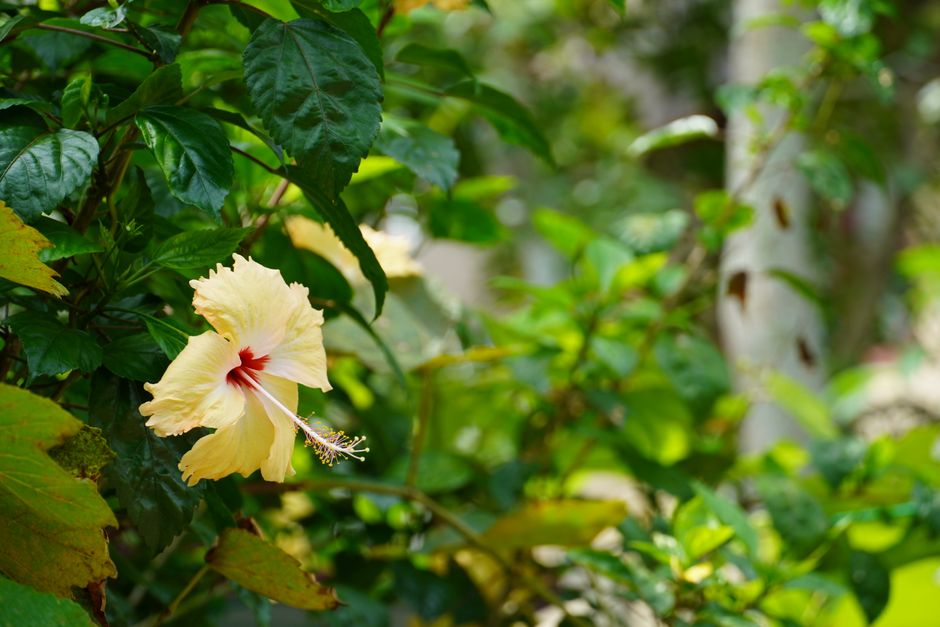
If your hibiscus is dropping leaves, the most common cause is a change in its water supply — either too much or too little. Hibiscus plants are sensitive to soil that stays soggy or dries out completely, and they often respond by shedding leaves. Cold drafts, sudden temperature swings, and low light can trigger the same response. Leaf loss is usually a signal of stress, not a disease, and most plants recover once the underlying problem is corrected.
Why Is My Hibiscus Losing Leaves?
Hibiscus leaves drop when the plant is under stress. The plant is redirecting resources away from older foliage to protect its core. This is why the leaves that fall are often the lower, older ones first.
The trigger is almost always environmental. Water, temperature, light, and humidity are the four factors that matter most. Pests and disease are possible but less common as a first cause. A plant that was healthy last week and is dropping leaves this week is usually reacting to a change around it, not fighting an infection.
There is a useful distinction to make early. Some leaf yellowing and drop is normal as hibiscus ages and replaces old growth. A few leaves over a month is very different from a plant shedding most of its canopy in a week. The pattern tells you how serious the problem is.
Is It Overwatering or Underwatering?
Both cause leaf drop, but they look different if you check the soil and the leaves closely. Overwatering is the more common mistake with hibiscus, especially for plants in pots.
When soil stays wet, roots cannot take up oxygen. Root tissue begins to suffocate and can rot. The plant cannot absorb water even though it is sitting in it, so leaves yellow and fall. The soil feels wet days after watering, and the pot may feel heavy. Leaves often turn yellow before dropping, and they may drop while still somewhat green.
Underwatering produces a different picture. Leaves droop, feel dry and papery, and the edges may turn brown and crispy before the leaf falls. The soil is dry well below the surface. A plant that dried out completely while you were away will often drop a batch of leaves within days.
The reliable test is your finger, not the surface. Push a finger about an inch into the soil. If it is soggy at that depth, back off watering. If it is dry, water thoroughly until it drains from the bottom of the pot. For potted hibiscus, a container with a drainage hole is not optional — standing water is a leading cause of root problems.
Can Temperature and Drafts Cause Leaf Drop?
Yes. Hibiscus is a tropical plant and does not tolerate cold well. A sudden drop in temperature, a cold draft from a window or door, or a blast of air conditioning can all cause leaves to drop.
This is one of the most overlooked causes indoors. A plant sitting near a heating vent or an air conditioner gets repeated temperature swings that stress it. Moving the plant even a few feet away from the draft often stops the leaf drop.
Cold injury tends to show up fast. Leaves may wilt and drop within a day or two of exposure to cold air. If you moved a hibiscus outdoors too early in spring or left it near a cold window in winter, cold stress is a strong candidate.
Does Light Matter for Hibiscus Leaf Loss?
Hibiscus needs bright light to hold its leaves. A plant moved into a dark corner or a room with weak light will often drop leaves as it struggles to produce enough energy.
Indoor hibiscus generally do best near a bright window with several hours of direct sun. When light drops — because of a move, a change in season, or a new curtain — the plant may shed leaves. This is especially common when a plant is brought indoors for winter after spending summer outside. The shift from strong outdoor light to indoor light is enough to trigger leaf drop in some plants.
The good news is that light-related drop is usually gradual and the plant adjusts. New growth often appears once it settles into its new spot.
What About Pests, Disease, and Nutrients?
Pests and disease are real causes, but they usually come with visible signs beyond leaf drop. Check the undersides of leaves and the stems before assuming a pest problem.
- Spider mites leave fine webbing and tiny speckled dots on leaves. They thrive in dry indoor air.
- Aphids cluster on new growth and stems and are visible to the eye.
- Whiteflies fly up in a small cloud when the plant is disturbed.
- Root rot from prolonged overwatering causes wilting and leaf drop even when soil is wet.
Nutrient problems can also contribute. A plant in the same pot for years may run low on nutrients, and leaves can yellow and drop. This is less common as a sudden cause and more of a slow decline. Hibiscus generally benefit from regular feeding during the growing season, but over-fertilizing can burn roots and cause its own problems. Follow the product label rather than guessing at amounts.
No single symptom confirms a pest or disease on its own. If you see leaf drop with no clear environmental cause, inspect the plant closely before treating it for anything.
How Do I Stop the Leaf Drop and Help the Plant Recover?
Fix the cause first, then give the plant time. Hibiscus does not bounce back overnight, and adding more treatments before you know the cause usually makes things worse.
Work through the basics in order:
- Check soil moisture an inch down and adjust watering to match what the plant actually needs.
- Make sure the pot drains freely and never sits in standing water.
- Move the plant away from drafts, heating vents, and air conditioners.
- Give it the brightest light you can indoors without scorching it.
- Inspect leaves and stems for pests before assuming disease.
Once the cause is corrected, new growth is the sign that matters. Existing leaves that are already yellowing will usually still fall — that is normal and not a sign the fix failed. Watch for fresh leaves at the tips over the following weeks. That is the real indicator of recovery.
Avoid the urge to repot, fertilize heavily, and spray for pests all at once. Each change adds stress. Make one correction, wait, and observe.
When Should I Worry About Leaf Drop?
Leaf drop becomes a concern when it is heavy, fast, or paired with other signs. A plant that loses most of its leaves in a few days, or shows wilting that does not improve with watering, needs a closer look.
Watch for these warning signs:
- Stems that feel soft, mushy, or dark at the base — possible root rot.
- Leaves with visible spots, webbing, or sticky residue.
- Wilting that continues even when the soil is properly moist.
- Leaf drop that continues for weeks despite correcting water, light, and temperature.
In those cases, the problem may be deeper than environment — root damage or an established pest infestation. Root rot in particular can be hard to reverse once it sets in, and the plant may need to be repotted with fresh, well-draining soil after damaged roots are removed.
For most hibiscus, though, leaf drop is a temporary reaction to stress. Correct the cause, keep conditions steady, and the plant usually recovers.
Frequently Asked Questions
Why is my hibiscus losing leaves all of a sudden?
Sudden leaf drop is usually caused by a change in water, temperature, or light — such as a move, a cold draft, or a watering mistake. The plant reacts to stress by shedding older leaves first.
Will my hibiscus recover after losing its leaves?
Most hibiscus recover once the underlying cause is corrected and conditions stay steady. Watch for new growth at the tips over the following weeks as the sign of recovery.
Should I cut back a hibiscus that is losing leaves?
Do not prune a stressed hibiscus until you have identified and fixed the cause. Pruning adds stress and removes the leaves the plant is still using to make energy.
Can tap water cause hibiscus leaf drop?
Some growers report sensitivity to treated tap water, but the evidence is not strong enough to call it a common cause. Water quality is worth checking only after water, light, and temperature problems are ruled out.
