
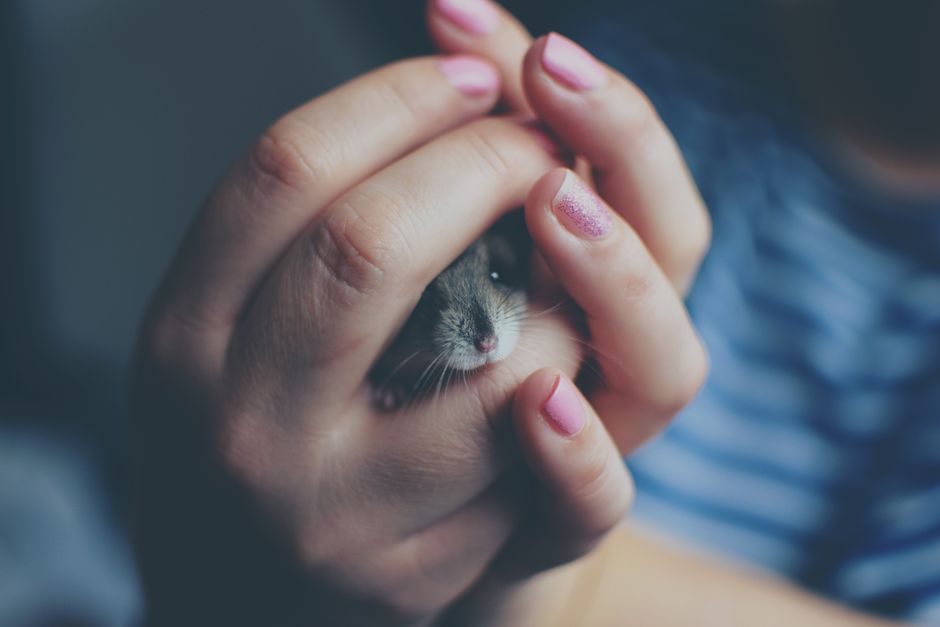
If your hamster suddenly seems full of energy, running in circles, climbing, or digging frantically, it is usually a normal part of their natural behavior. Hamsters are nocturnal or crepuscular animals, meaning they are most active at dawn, dusk, and during the night. A sudden burst of activity can also be triggered by a change in their environment, excitement from a new toy or treat, or even a health issue like diabetes. In most cases, the hyperactivity is harmless and temporary. But if your hamster also shows signs of illness, such as weight loss, excessive thirst, or lethargy when not active, a vet visit is wise.
Is It Normal for Hamsters to Be Hyper at Night?
Yes. Hamsters are naturally most active during the dark hours. In the wild, they sleep during the day to avoid predators and forage at night. Your pet’s sudden hyperactivity likely matches this natural rhythm. If the hyperactivity happens at night or early morning, it is almost certainly normal.
Many owners misinterpret normal nighttime activity as a problem. A hamster may run on its wheel for hours, stuff food in its cheeks, and dig through bedding. This is healthy behavior. If your hamster rests peacefully during the day and is energetic only at night, there is nothing to worry about.
Why Is My Hamster So Hyper All Of A Sudden?
Sudden hyperactivity that is not part of the usual night cycle can have several causes. The most common are a change in environment, a new stimulus, boredom, or an underlying health issue. If the activity started after you cleaned the cage, introduced a new toy, or changed the room temperature, the hamster is likely reacting to novelty. Hamsters are curious and can become excited or stressed by change.
Another possibility is that your hamster is feeling cooped up. Without enough enrichment — such as tunnels, wheels, chew toys, or time outside the cage — a hamster may suddenly burst with pent‑up energy. Providing more enrichment often calms the behavior.
Less commonly, a health problem like diabetes can cause hyperactivity. Some species — particularly Chinese and Campbell’s dwarf hamsters — are prone to diabetes. Along with hyperactivity, watch for increased thirst, more frequent urination, and weight loss despite a healthy appetite. If these signs appear, a veterinarian should check your hamster.
Could a Change in Environment Trigger Hyperactivity?
Yes. Even small changes can set off a hamster. Moving the cage to a new spot, introducing a new pet or person, loud noises, or a different type of bedding can all cause a temporary spike in activity. The hamster may explore cautiously at first, then suddenly race around as it adjusts.
Stress can also look like hyperactivity. A stressed hamster might run frantically, gnaw on cage bars, or repeatedly climb and fall. Distinguish between excited exploration and stressed, repetitive behavior. Stress behaviors often include flattened ears, hunched posture, or attempts to hide. If you suspect stress, return the cage to a quiet, stable spot and minimize disturbances for a few days.





What Health Issues Might Lead to Sudden Hyperactivity?
Several medical conditions can cause a hamster to become suddenly more active. Diabetes is the most notable. Hamsters with diabetes often have high blood sugar, which can lead to increased energy followed by crashes. They may drink and urinate excessively, eat more, but still lose weight. A urine test by a vet can confirm diabetes.
Other possible health causes include hyperthyroidism (overactive thyroid) and adrenal gland problems. These are rare in hamsters, but possible. Infections, mites, or a painful condition can also cause a hamster to be restless and hyperactive as a response to discomfort. If the hyperactivity comes with scratching, hair loss, or changes in eating or drinking, a vet check is necessary.
How to Tell If Hyperactivity Is a Problem
Most hyper episodes are normal. You can tell it is likely a problem if your hamster also shows any of these signs: lack of interest in food, weight loss, excessive drinking (more than 10–15 mL per day for an adult Syrian hamster), diarrhea, labored breathing, or injuries from frantic behavior. If the hyperactivity happens during the day when the hamster should be sleeping, and it continues for hours, something may be wrong.
Normal hyperactivity is usually rhythmic — running on a wheel, digging, collecting food — and stops when the hamster tires. Abnormal hyperactivity is frantic, includes bar chewing, pacing in a tight pattern, or self‑injury. This can indicate stress, boredom, or illness. Separate the hamster to a quiet area and observe for 24 hours. If the odd behavior continues, consult a veterinarian who treats small animals.
What Can You Do to Help a Hyper Hamster?
First, confirm that the hyperactivity is not a health emergency. If your hamster is eating, drinking, and has normal droppings, you can try simple changes. Add more enrichment: a larger wheel (8‑inch diameter for Syrians, 6‑inch for dwarfs), tunnels, chew sticks, and a sand bath. Rotating toys weekly keeps interest high. Some hamsters calm down with regular, supervised out‑of‑cage time in a safe playpen.
Light and temperature matter. Hamsters prefer dim light during their active periods. A bright room or a cage near a window with outdoor light can confuse their circadian rhythm and cause erratic activity. Keep the room temperature between 65–75°F (18–24°C). Extreme heat or cold can also trigger restlessness.
If the hyperactivity is caused by stress, remove the stressor. Stop handling the hamster for a day or two. Cover part of the cage with a light cloth to provide a hiding area. Offer a cardboard box or tissue paper for nesting. A calm environment usually brings behavior back to normal within a few days.
When Should You Call a Vet?
Call a veterinarian who treats small mammals if your hamster has sudden hyperactivity along with any of these: not eating for more than 12 hours, severe weight loss, excessive thirst, diarrhea, a hunched posture, discharge from eyes or nose, or wounds from biting cage bars. Also seek help if the hyperactivity is so intense that the hamster collapses or seems disoriented.
Many veterinarians can do a simple urine glucose test to check for diabetes. A fecal exam can detect parasites or bacterial infections. For hamsters that are stressed or bored, behavior modification is usually enough. But a vet can confirm that nothing medical is contributing to the sudden change.
Frequently Asked Questions
Why is my hamster running on its wheel all night?
That is normal hamster behavior. Hamsters are nocturnal and need to run to stay healthy, often covering miles each night.
Can stress make my hamster hyper?
Yes. Stress from a new environment, loud noises, or handling can cause frantic, repetitive activity as the hamster tries to escape or cope.
Should I wake my hyper hamster during the day?
No. Waking a sleeping hamster adds stress and can lead to biting or health problems. Let it sleep undisturbed until evening.
When is hyperactivity a sign of illness?
If the hyperactivity comes with excessive thirst, weight loss, diarrhea, or self‑injury, it may be a medical issue like diabetes and needs a vet.
