
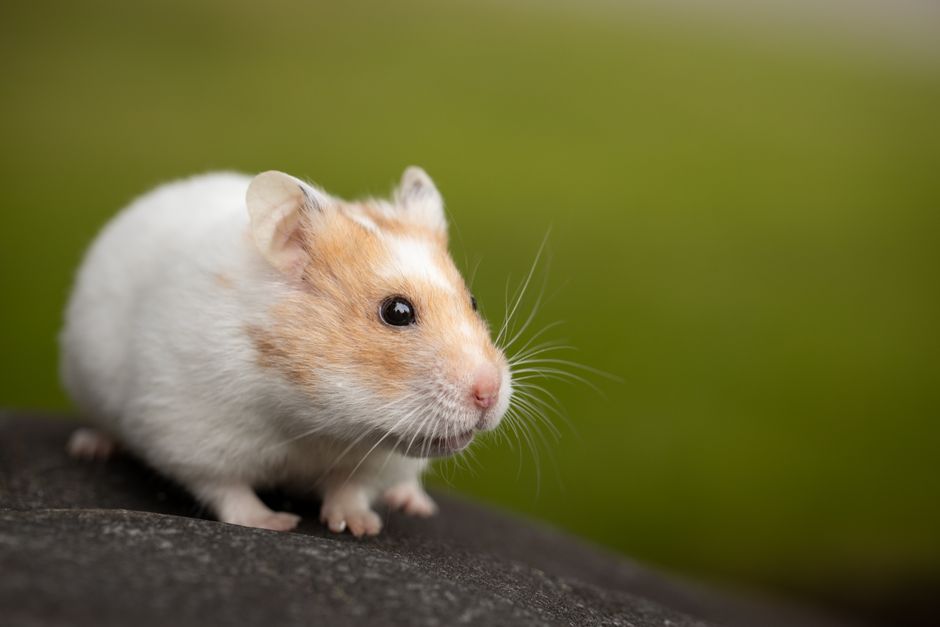
A fat hamster is usually a hamster that is being fed too much energy and moving too little. In most cases the cause is diet plus a small cage and no exercise wheel. Less often, extra weight or a swollen belly points to a medical problem that needs a vet. The fixes are simple in principle: measure the food, cut the treats, and give the animal a proper wheel and space to move.
Hamsters are small enough that a few extra grams matters. A Syrian hamster that looks round and heavy is carrying real fat, not “fluff.” That fat comes with real risks, and the changes that reverse it are mostly things you control.
Why Is My Hamster Fat Causes Risks And Fixes?
The main cause is a calorie surplus: more food energy going in than the hamster burns. Captive hamsters live in small enclosures and are often fed mixed seed diets plus treats, which adds up fast. A hamster with a full cheek pouch can also look fat when it is not.
Before you change anything, rule out the cheek pouch. Hamsters stuff food into two large pouches that run along the sides of the face into the shoulders. A hamster that just filled its pouches looks wide and lumpy. Gently watch it for a few hours. If the shape goes down after it empties the pouches, you are not looking at fat.
Real weight gain has a few common drivers:
- Too much food. Free-feeding a bowl that is always full lets a hamster eat more than it needs. Mixed seed diets also let it pick out the fatty pieces and leave the rest.
- Too many treats. Nuts, seeds, yogurt drops, and commercial “treat sticks” are calorie-dense. A few a day is a large share of a small animal’s energy needs.
- No exercise wheel. A hamster that cannot run is a hamster that cannot burn energy. This is one of the biggest factors.
- Wrong wheel size. A wheel that is too small forces the back to curve and is uncomfortable, so the hamster stops using it. Syrian hamsters need a large wheel, typically around 8 to 11 inches in diameter so the back stays straight while running.
- Age. Older hamsters move less and can gain weight the same way older people do.
- Genetics and species. Some individuals gain more easily. Dwarf hamsters can be prone to carrying extra weight, and in some dwarf species a rounder body is more normal than in Syrians.
One clarification that surprises many owners: a hamster that looks fat may actually be a female that is pregnant or has a condition called pyometra, or a hamster with fluid in the abdomen. A firm, evenly round body with steady weight gain from overfeeding looks different from a swollen belly that appeared quickly. A fast change in shape is a reason to see a vet, not to cut food.
How Can You Tell If a Hamster Is Actually Overweight?
You cannot judge a hamster’s weight by looks alone, because fur, posture, and full cheek pouches all change the outline. The reliable method is to weigh the hamster on a small kitchen scale, in grams, and track the number over time.
Weigh once a week at the same time of day, ideally before feeding. Write the number down. A steady upward trend over several weeks is real weight gain. A single high reading is not.
You can also judge body condition by feel. Run your fingers gently along the sides and back. A hamster in good condition has a slight covering of fat over the ribs and spine but you can still feel the bones underneath. A hamster that feels soft and padded all over, with no bone definition, is carrying extra fat.
There is no single official “ideal weight” for every hamster, because normal weight varies by species and individual. Syrian hamsters are much larger than dwarf hamsters, and normal adult weights differ widely. Your vet can tell you what is reasonable for your specific animal. Do not aim for a number you found online.
What Health Risks Come With a Fat Hamster?
Extra weight raises the risk of several problems in hamsters, though the research base in this species is smaller than in dogs and cats. Some of what we know is drawn from general small-mammal veterinary practice rather than large studies.
The clearest concerns:
- Reduced activity and mobility. A heavier hamster moves less, which makes the weight gain worse. It is a cycle.
- Skin problems. Hamsters that cannot groom well because of their size can develop skin issues and become dirty around the rear, which can lead to infection.
- Diabetes risk in certain dwarf species. Some dwarf hamsters, particularly Campbell’s dwarf hamsters, are known to be prone to diabetes. Obesity and high-sugar diets are thought to contribute. This is well recognized in veterinary practice.
- Heart and circulation strain. Carrying extra fat puts more demand on the heart, as in other mammals.
- Difficulty exercising. A heavy hamster may avoid the wheel, which removes the main way it burns energy.
What is less certain: the exact degree to which obesity shortens a hamster’s life is not well documented in controlled studies. It is reasonable to say that excess weight is a health concern, but do not expect a precise risk figure, because none is established.





How Do You Help a Fat Hamster Lose Weight Safely?
You help a hamster lose weight by controlling food portions, cutting calorie-dense treats, and making exercise easy and comfortable. Do this gradually. Rapid weight loss is dangerous for small animals.
Start with the food. Measure a set amount each day instead of refilling a bowl. A complete pelleted hamster food gives balanced nutrition and stops the hamster from picking out only the fatty seeds. If you use a seed mix, choose one that is a complete diet rather than a treat mix. Your vet can advise on a suitable daily amount for your hamster’s size and species. There is no universal gram amount that fits every hamster, so do not guess a number from a forum.
Cut the treats hard. Nuts, sunflower seeds, and commercial treats are the biggest hidden calories. Use small pieces of vegetables as occasional rewards instead. Do not remove all food or put a hamster on a strict crash diet. Small animals can become ill quickly without adequate nutrition.
Fix the exercise setup. This is often the single most effective change:
- Provide a wheel that is large enough that the back stays straight while running. For Syrians this means a large wheel, roughly 8 to 11 inches across.
- Make sure the wheel spins freely and has a solid running surface, not a wire mesh that can catch feet.
- Give more floor space and things to climb and explore. A bigger enclosure with tunnels and hides encourages movement.
- Let the hamster out for supervised exercise in a safe, hamster-proof area if it is used to it.
Weigh weekly to track progress. Slow, steady loss is the goal. If the hamster stops eating, becomes sluggish, or loses weight quickly, see a vet.
When Should a Fat Hamster See a Vet?
A hamster should see a vet when its shape changes quickly, when it stops eating or drinking, or when weight gain happens despite a normal diet and exercise. These signs point away from simple overfeeding.
Watch for these warning signs:
- A swollen or bloated belly that appeared over days, not weeks.
- Weight gain in a hamster that is already on a measured diet and has a working wheel.
- Lethargy, loss of appetite, or a hunched posture.
- Wetness or discharge around the rear, or difficulty passing stool.
- Lumps or firm areas you can feel under the skin.
- Increased thirst and urination, which can suggest diabetes in prone dwarf species.
Female hamsters can develop a womb infection called pyometra that causes a swollen abdomen, and older hamsters can develop tumors or fluid buildup. These are not weight problems and will not respond to diet changes. A vet visit is the right move when the change is sudden or comes with other symptoms.
Can You Prevent a Hamster From Getting Fat?
You can prevent most weight gain by controlling portions from the start, limiting treats, and giving the hamster a good exercise setup. Prevention is far easier than reversing weight gain in a small animal.
Build these habits early:
- Feed a measured amount once or twice a day and remove leftovers that spoil.
- Keep treats rare and small. Think of them as occasional, not daily.
- Provide a properly sized wheel and enough space and enrichment to keep the hamster active.
- Weigh regularly so you catch slow gain before it becomes a problem.
- Match the diet to the species. Dwarf hamsters prone to diabetes do better on a diet low in sugary foods.
One point worth stating plainly: there is no evidence that any supplement or special “diet food” helps a hamster lose weight. The evidence-supported approach is the boring one. Fewer calories, more movement, and a vet when something does not add up.
Frequently Asked Questions
Why is my hamster suddenly fat?
A sudden change in shape is often not fat but a full cheek pouch, pregnancy, or a medical problem such as fluid or a womb infection. If the change happened over days rather than weeks, see a vet rather than cutting food.
How much should I feed my hamster to help it lose weight?
There is no single daily amount that fits every hamster, because needs vary by species and size. Feed a measured portion of a complete food and ask your vet for a suitable amount for your hamster rather than guessing.
Do hamsters need a wheel to stay a healthy weight?
Yes, a properly sized wheel is one of the main ways a captive hamster burns energy and stays active. A wheel that is too small is uncomfortable and often goes unused, so size it so the back stays straight while running.
Can a fat hamster lose weight on its own?
It can, but usually only if you change the food portions and exercise setup. Left alone with the same diet and no wheel, a hamster will generally keep gaining.
