
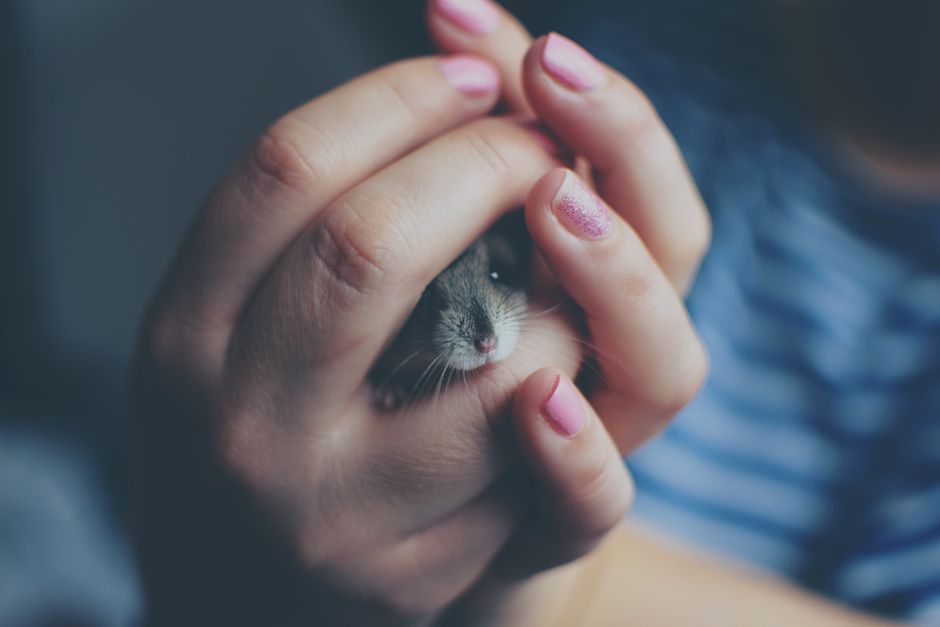
Hamsters are nocturnal or crepuscular animals, which means their natural activity peaks at night or around dawn and dusk. If your hamster is awake and active during the day, something has shifted its internal clock or it is responding to a real physical need. The most common causes are a disrupted light cycle, a cage environment that makes daytime the only quiet option, stress, illness, or a natural variation in individual temperament. In a smaller number of cases, it can signal a health problem that needs a veterinarian’s attention.
Why Is My Hamster Awake During The Day Causes?
Hamsters are prey animals. In the wild, staying hidden during daylight hours is a survival strategy. Their eyes are adapted to low light, and their bodies run on a circadian rhythm that tells them to sleep when the sun is up and forage when it is dark. That rhythm is biological, not a preference.
When a hamster is awake during the day, the cause usually falls into one of a few categories. The animal’s day-night cues have been flipped. Its environment is forcing a schedule change. It is under stress. Or it is unwell. Occasionally, a hamster is simply wired a little differently than the typical pattern.
Understanding which category applies to your hamster matters, because the response is different for each. A hamster that is awake because its cage sits in a bright room all day needs a simple fix. A hamster that is awake because it is sick needs a vet.
Is It Normal for a Hamster to Be Active During the Day?
It is not the typical pattern, but it is not automatically a sign of illness either. Hamsters are individuals, and some are naturally more crepuscular than strictly nocturnal. That means they are most active at dawn and dusk, with some daytime activity mixed in.
There is also a category called diurnal, meaning active during the day. True diurnality is uncommon in the hamster species kept as pets, but a hamster can drift toward daytime activity if its environment pushes it there. The key question is whether the behavior is new or has always been the case. A hamster that has always been somewhat active during the day is likely just on the flexible end of normal. A hamster that suddenly flips from sleeping all day to being awake all day is a different situation.
Watch for other changes alongside the schedule shift. Eating, drinking, grooming, and activity levels matter as much as the timing of wakefulness.
What Environmental Factors Flip a Hamster’s Schedule?
Light is the strongest signal for a hamster’s internal clock. If a cage sits near a window or in a room with lights on all evening and off all day, the hamster’s brain receives the opposite of what it expects. Bright daytime light tells the animal it should be resting. Darkness during the human’s sleeping hours tells it to be active. When that pattern is reversed, the hamster’s rhythm can reverse with it.
Noise plays a role too. A household that is quiet during the day and busy at night gives a hamster a reason to sleep when it is calm and wake when things are active. Hamsters are sensitive to vibration and sound. A cage in a high-traffic area during evening hours can push activity later, or a cage in a noisy daytime room can push activity earlier.
Other environmental triggers include:
- Temperature swings that make the cage uncomfortable at certain hours
- A cage placed near a television, speaker, or appliance that runs on a schedule
- Feeding times that train the hamster to expect food during the day
- Cleaning or handling routines that happen at consistent daytime hours
The fix for most of these is consistency. A dim, quiet space during the day and a darker, calmer space at night helps reset the rhythm over time. This does not happen overnight. Circadian shifts in small mammals take days to weeks to adjust.





Can Stress or a Bad Cage Setup Cause Daytime Activity?
Stress is a common and underrecognized cause. A hamster that feels unsafe will often abandon its normal sleep schedule. It stays alert because staying alert feels safer than sleeping.
Cage size matters here. Hamsters are territorial and need space to burrow, nest, and move. A cage that is too small, has no deep bedding for burrowing, or lacks a hide gives the animal nowhere to feel secure. Without a safe place to sleep, a hamster may stay awake during the day simply because it cannot settle.
Other stress sources include:
- Being housed with another hamster, which is stressful for most species kept as pets
- Frequent handling, especially during the day when the hamster expects to sleep
- Predators in the home, such as cats or dogs, that the hamster can smell or hear
- A recent move, new cage, or change in routine
One detail worth knowing: hamsters are solitary in the wild for most species kept as pets, and housing two together often causes chronic low-level stress that shows up as odd behavior, including disrupted sleep. If your hamster shares a cage, that alone may explain the change.
When Is Daytime Activity a Sign of Illness?
A sick hamster often stops following its normal schedule. Illness drains energy, and a hamster that feels unwell may sleep more, not less. But some conditions cause restlessness, discomfort, or difficulty breathing that keeps the animal awake when it should be resting.
Conditions that can disrupt sleep and activity include respiratory infections, which are common in hamsters and can make breathing labored. Dental problems can cause pain that interferes with rest. Skin conditions, parasites, and tumors can cause itching or discomfort. A condition called wet tail, a serious diarrheal illness, causes obvious distress and requires urgent veterinary care.
Signs that daytime activity is a health concern rather than a schedule issue:
- Labored or noisy breathing
- Loss of appetite or weight loss
- Dull or ruffled fur, or a hunched posture
- Discharge from the eyes or nose
- Diarrhea or a wet, soiled area around the tail
- Lethargy that alternates with restlessness
- Limping, trembling, or signs of pain
If any of these appear alongside the schedule change, see a veterinarian who treats small animals. Hamsters decline quickly when ill, and waiting rarely helps.
Does Age or Species Affect a Hamster’s Activity Pattern?
Age changes activity. Older hamsters often sleep more overall and may shift their waking hours. Very old hamsters can become active at odd times because their internal clock weakens with age, a pattern seen across many mammals. A senior hamster that is awake during the day but otherwise eating, drinking, and moving well is often just aging.
Species matters too. The most common pet hamster, the Syrian hamster, is strictly nocturnal. Dwarf hamsters, including Campbell’s and winter white hamsters, tend to be more crepuscular, meaning they are active around dawn and dusk and may show more daytime movement than a Syrian. If you have a dwarf hamster, some daytime activity is closer to normal than it would be for a Syrian.
This is one place where knowing your hamster’s species helps you judge what is typical. A dwarf hamster active at dusk is behaving as expected. A Syrian hamster wide awake at noon is more unusual.
How Can You Support a Healthy Sleep Cycle?
You cannot force a hamster to sleep, but you can give its body the signals it needs to reset. The goal is to make daytime feel like rest time and nighttime feel like active time.
Practical steps that align with how hamster biology works:
- Keep the cage out of direct sunlight and away from bright overhead lights during the day
- Dim the room in the evening and keep it dark overnight
- Place the cage in a quiet spot during your active daytime hours
- Provide deep bedding so the hamster can burrow and control its own light exposure
- Feed and interact in the evening, when the hamster is naturally waking
- Keep handling sessions short and calm, and avoid waking a sleeping hamster during the day
Give any changes time. A hamster’s internal clock does not flip back in a day. Expect gradual adjustment over one to two weeks if the cause was environmental. If nothing changes despite a consistent setup, the cause is likely stress or health, not light.
One clarification worth making: a hamster that wakes briefly when you walk by or turn on a light is not the same as a hamster that is fully active during the day. Brief stirring is normal. Sustained daytime activity is what signals a real shift.
Frequently Asked Questions
Why is my hamster awake during the day all of a sudden?
A sudden change usually points to a flipped light cycle, new stress, or illness. If the hamster also shows appetite loss, breathing changes, or a ruffled coat, see a veterinarian.
Is it bad if my hamster is active during the day?
It is not automatically bad, but it is not the typical pattern for most pet hamsters. Dwarf hamsters are naturally more active around dawn and dusk, so some daytime movement is closer to normal for them.
Can stress make a hamster stay awake during the day?
Yes. A hamster that feels unsafe, lives in a cage that is too small, or shares space with another hamster may stay alert instead of sleeping. Providing deep bedding and a quiet, secure cage often helps.
Should I wake my hamster during the day to play?
No. Waking a sleeping hamster interrupts its rest and can add stress. Interact in the evening or at dusk, when the hamster is naturally waking on its own.
