
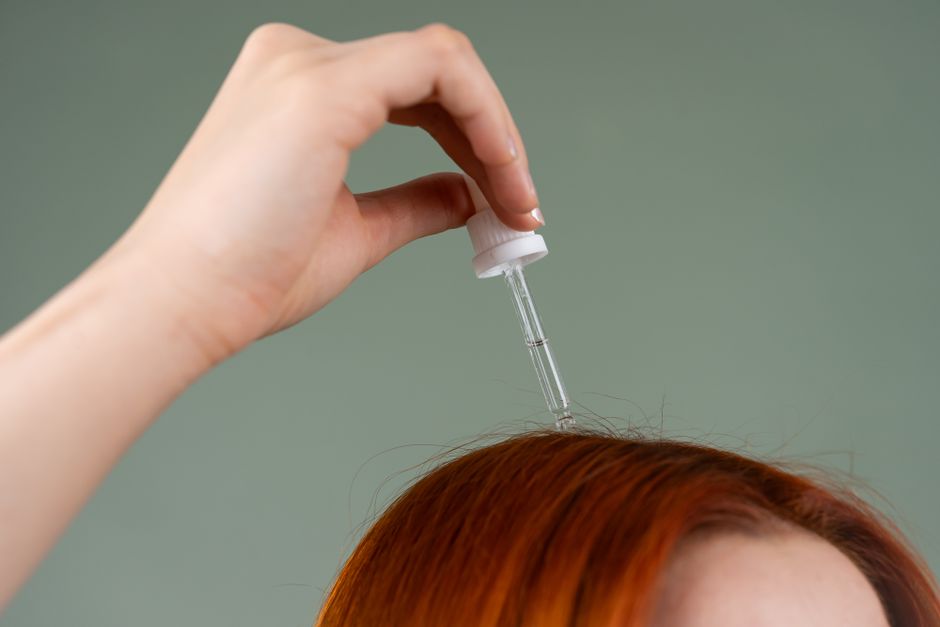
Hair that shifts toward reddish brown is usually the result of one of three things: color pigments inside the hair shaft changing, mineral buildup on the outside of the hair, or damage that exposes underlying warm tones. Genetics, sun exposure, hard water, certain medications, and hair dye chemistry all play a role. Most causes are harmless, and some are reversible.
The color you see in your hair comes from melanin — the same pigment family that colors your skin. Two types matter here: eumelanin, which produces brown and black, and pheomelanin, which produces red and yellow. When eumelanin drops or pheomelanin becomes more visible, hair reads as warmer and redder. That shift can happen slowly over years or seemingly overnight after a single shower.
Why Is My Hair Turning Reddish Brown Causes Fixes?
Reddish brown is not a single condition. It is a visible outcome, and the cause determines whether anything can be done about it.
The main drivers are:
- Melanin changes with age. Eumelanin production tends to decline before gray appears, which can leave warm pheomelanin more visible.
- Sun exposure. Ultraviolet light breaks down melanin and can lighten dark hair while revealing warmer undertones.
- Mineral buildup. Iron, copper, and manganese in water can deposit on hair and create a rusty cast.
- Oxidative hair damage. Bleach, perms, and repeated heat styling strip pigment and expose underlying warmth.
- Medications and medical conditions. A smaller number of drugs and health issues are linked to hair color changes.
Notice the pattern. Some causes live inside the follicle. Others sit on the surface of the strand. The fix depends entirely on which one you are dealing with.
Does Hair Naturally Change Color as You Age?
Yes, and reddish brown is a common stop along the way to gray. Hair follicles gradually produce less melanin over decades. Eumelanin tends to fall off faster than pheomelanin in many people, so the warm pigment that was always present becomes more visible against a lighter background.
This is why some people with dark brown hair notice a coppery or auburn cast in their forties and fifties before any gray appears. The hair has not turned red. The red was always there — it was simply masked by brown.
Age-related color change is gradual and diffuse. If your color shift happened in weeks rather than years, aging is probably not the explanation.
Can Hard Water Make Hair Look Reddish Brown?
Hard water can leave a rust-colored film on hair, especially in homes with older plumbing. The mechanism is straightforward: water carrying dissolved iron and other metals deposits those metals onto the hair shaft. Over time the buildup oxidizes and takes on a warm, brassy tone.
Signs that minerals are the culprit:
- The change is most obvious on lighter or gray hair
- Hair feels rougher or stiffer than usual
- Color looks duller indoors and warmer in sunlight
- Shampoo lathers poorly
A clarifying shampoo used periodically can remove surface buildup. Some people find that a filter on the showerhead reduces deposits over time, though results vary with the specific minerals in the local water supply. If you have well water, testing it is a reasonable first step.
One clarification worth knowing: mineral staining sits on the outside of the hair. It does not change the pigment inside the strand. That means it can often be lifted, while true pigment loss cannot be reversed.
Can Medications or Health Conditions Turn Hair Reddish?
A small number of medications have been associated with hair color changes, though this is uncommon and not well studied. Reports exist for certain drugs, but the evidence is mostly case-level rather than from large trials. If you suspect a medication, do not stop it on your own — talk to the prescriber.
Nutritional status can also matter. Severe protein deficiency and certain mineral deficiencies are linked to changes in hair pigmentation, but these typically occur alongside other symptoms and are not a common cause of a subtle reddish shift in otherwise healthy adults.
Some medical conditions affecting copper metabolism are known to alter hair color. These are rare and come with other clinical signs. A sudden, dramatic color change along with fatigue, weight change, or other new symptoms is worth a medical visit.
For the vast majority of people noticing a gradual warm shift, no underlying disease is involved.
Does Sun Exposure Lighten Hair and Reveal Red Tones?
Ultraviolet radiation degrades melanin in the hair shaft. This is the same process that lightens hair in summer. Because eumelanin absorbs UV more readily than pheomelanin, dark hair can lose its brown depth faster than its warm undertones, leaving a redder appearance.
This effect is cumulative. Years of sun exposure add up, which is one reason color shifts are often more noticeable in people who spend time outdoors. Hats and UV-protective products reduce the rate of change, though they cannot restore pigment that is already gone.
Sun-related lightening is most visible on the outer layers of hair and at the ends, where exposure has been longest.
Can Hair Dye or Bleach Cause a Reddish Brown Result?
Yes, and this is one of the most common reasons people search for an answer. Bleach and lightening products strip melanin in stages. As dark pigment leaves, the underlying warm tones — often described as orange or gold — become visible. If lightening stops partway, the result is reddish brown.
The same logic applies to color removal. When dark dye fades, it can leave a warm residue behind. This is a chemistry issue, not a health one.
Fixes here are cosmetic. A colorist can tone the warmth with a cooler shade, or add pigment back to neutralize it. Trying to lighten further often makes the warmth worse before it gets better. Going darker is usually the more predictable route.
What Actually Helps — and What Does Not
The right fix depends on the cause, and using the wrong one wastes time.
| Cause | What Helps | What Does Not Help |
|---|---|---|
| Mineral buildup | Clarifying shampoo, water testing | Color-depositing products |
| Sun lightening | Hats, UV protection, cooler toner | Restoring lost pigment |
| Bleach or dye | Professional toning, going darker | Lightening further |
| Natural aging | Acceptance or cosmetic color | Reversing melanin loss |
| Medication or illness | Medical evaluation | At-home treatments |
No shampoo or supplement has been shown to restore natural hair pigment. That is worth stating plainly, because the market for such products is large and the evidence is not.
When Should You See a Doctor?
See a clinician if the color change is sudden, comes with hair loss or breakage, or appears alongside other new symptoms such as fatigue, unexplained weight change, or skin changes. Those patterns can point to something that needs evaluation.
For gradual, isolated color shifts in an otherwise healthy person, there is usually nothing medically wrong. It is a cosmetic change, and treating it as one is reasonable.
If you take a medication and notice a color change after starting it, mention it to your prescriber rather than stopping the drug yourself.
Frequently Asked Questions
Why is my brown hair turning reddish?
Brown hair looks redder when eumelanin (the brown-black pigment) declines or is stripped away, leaving warm pheomelanin more visible. Aging, sun exposure, and bleach are the most common reasons.
Can hard water turn hair reddish brown?
Yes. Iron and other metals in water can deposit on the hair shaft and oxidize into a rusty tone. A clarifying shampoo can often remove this surface buildup.
Does hair turn red before it goes gray?
It can. Eumelanin often declines faster than pheomelanin, so warm undertones become visible before gray appears. This shift is gradual, usually over years.
Can you reverse reddish brown hair from aging?
No. Lost melanin does not come back, and no product has been shown to restore natural pigment. Cosmetic color is the practical option.
