
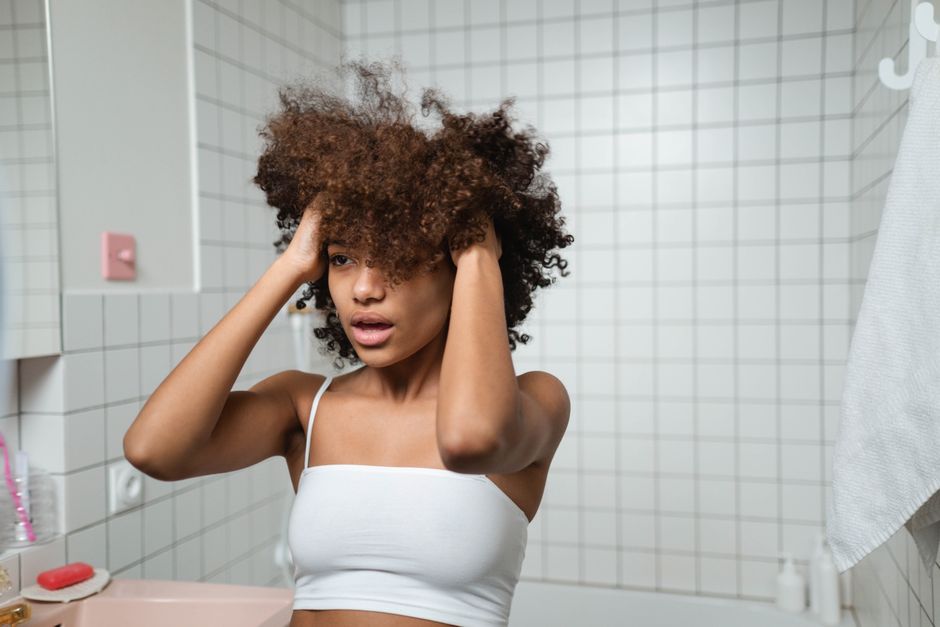
Sudden changes in hair texture are common, and they often happen for reasons that have nothing to do with your hair products. When hair that has been straight for years starts forming waves or curls, the cause is almost always a change happening inside your body. Hormones, medications, illness, and even simple aging can alter the shape of your hair follicle. The hair follicle is the root structure beneath your scalp, and its shape determines whether your hair grows out straight, wavy, or curly. When that structure changes, your hair texture changes with it.
What Causes Hair Texture to Change Suddenly?
Your hair follicle is a living structure, even though the hair shaft itself is made of dead protein. The follicle sits in the skin and receives blood, oxygen, and hormonal signals. Anything that disrupts those signals can change how the follicle shapes the hair as it grows.
The most common causes of sudden curling include hormonal shifts, new medications, recent illness, and normal aging. Each of these affects the follicle differently, but the result is the same: a new hair growth pattern that may look curly, coarser, or completely different from what you are used to.
This change is not permanent in every case. Some people see their hair return to its original texture once the trigger is removed. Others experience a lasting change because the follicle itself has been permanently altered.
Why Is My Hair Curly All Of A Sudden Causes Related to Hormones
Hormones are the most frequently identified trigger for sudden hair texture changes. Estrogen, progesterone, and testosterone all influence hair follicle shape and growth cycle. When these hormone levels shift, your hair can respond within weeks.
Pregnancy is a well-documented example. Many women report their hair becoming curlier or wavier during pregnancy, only to revert after giving birth. This happens because elevated estrogen levels prolong the growth phase of hair, allowing strands to grow longer and take on more natural wave. After delivery, estrogen drops sharply and hair texture often shifts again.
Menopause produces the opposite effect. As estrogen declines, hair follicles can shrink and produce finer, sometimes curlier hair. The same hormonal drop can also cause hair to become drier, which makes any natural curl more pronounced.
Thyroid disorders are another hormonal cause. Both overactive and underactive thyroid conditions can change hair texture. Hair may become brittle, dry, and unruly. If you notice other symptoms like fatigue, weight changes, or temperature sensitivity alongside a hair texture shift, thyroid testing is a reasonable next step.
Medications That Can Change Hair Texture
Certain prescription medications are known to alter hair structure. The most common culprits are retinoids, which are vitamin A derivatives used for acne and skin conditions. Isotretinoin, sold under brand names like Accutane, frequently causes hair to become drier, thinner, and sometimes curlier.
Antidepressants, blood thinners, and cholesterol medications have also been reported to change hair texture in some people. The mechanism is not fully understood, but these drugs can affect the hair growth cycle and the production of keratin, the protein that makes up hair.
Chemotherapy drugs are the most dramatic example. These medications target rapidly dividing cells, which includes hair follicle cells. When hair grows back after treatment, it frequently returns with a different texture — often curly, even in people who had straight hair their entire lives. This change can be temporary or permanent.
If you suspect a medication is behind your hair change, do not stop taking it on your own. Speak with your prescribing doctor. They can help determine whether the drug is the likely cause and whether an alternative exists.



Illness and Physical Stress as a Trigger
Major illness, surgery, or significant physical stress can temporarily change hair texture. This happens through a condition called telogen effluvium, where a large number of hair follicles enter the resting phase at the same time.
When hair growth resumes after this resting period, the new strands may emerge with a different shape. High fevers, significant weight loss, and major surgeries have all been linked to this effect. The change usually appears two to three months after the triggering event, which is how long it takes for new hair to become visible at the scalp.
This type of hair texture change is typically temporary. As the follicle recovers and returns to its normal growth cycle, hair often reverts to its previous texture. Full recovery can take six months to a year.
Does Aging Change Hair Curl Pattern?
Aging is a natural and common cause of hair texture change. As you get older, your hair follicles produce less melanin, which is why hair turns gray. But follicles also change shape and size with age.
Many people find their hair becomes curlier or coarser in their 40s and 50s. This is partly because aging follicles can become more oval-shaped, and oval follicles produce curlier hair than round follicles. The hair shaft itself also becomes thinner and drier with age, which can make existing waves more noticeable.
This is a gradual process for most people, but it can seem sudden if you only notice it when a new growth of hair appears. Because hair grows slowly — about half an inch per month — a change in follicle shape takes time to become visible. What feels like a sudden change is often a shift that began months earlier.
Can Hair Products or Styling Cause Permanent Curl?
No. External products and styling techniques do not permanently change your hair follicle. Heat styling, chemical relaxers, and perms alter the hair shaft that is already outside your scalp. They do not affect the follicle underneath.
When new hair grows in, it will reflect whatever the follicle is doing at that moment. If your follicle has been changed by hormones or aging, your new hair will show that change regardless of what products you use.
However, product buildup and damage can make straight hair appear wavy or irregular. Mineral buildup from hard water, heavy conditioners, or styling products can coat the hair shaft and create an uneven surface. This can look like a texture change, but it is a coating issue, not a true curl change. Clarifying shampoo can help determine if buildup is the culprit.
When Should You See a Doctor About Hair Texture Changes?
Hair texture changes alone are rarely a medical emergency. But they can be a signal that something else is happening in your body.
See a doctor if your hair change comes with other symptoms. Hair loss, skin rashes, fatigue, unexplained weight changes, or digestive issues alongside a texture shift may point to an underlying condition like thyroid disease, an autoimmune disorder, or a nutritional deficiency.
Iron deficiency and low vitamin D levels are both associated with hair changes. A simple blood test can check for these. If a deficiency is found, correcting it may help your hair return to its previous state.
If your hair texture change is isolated — no other symptoms, no new medications, no recent illness — it is probably related to hormones or aging. This is not dangerous, though it can be frustrating. A dermatologist can examine your scalp and hair under magnification to look for follicle-level issues.
Frequently Asked Questions
Can stress make your hair curly suddenly?
Yes, significant physical or emotional stress can temporarily change hair texture through a condition called telogen effluvium. New hair growing after a stress-induced shedding phase can emerge with a different shape, though this is usually temporary.
Why did my straight hair turn curly after pregnancy?
Elevated estrogen during pregnancy prolongs the hair growth phase and can change follicle shape, producing curlier hair. After delivery, hormone levels drop and hair texture often shifts again, though some women find the change is permanent.
Is sudden curly hair a sign of thyroid problems?
Thyroid disorders can change hair texture, making hair drier, coarser, or more unruly. If you have other symptoms like fatigue, weight changes, or temperature sensitivity, ask your doctor about thyroid testing.
Will my hair go back to straight after the cause is resolved?
It depends on the cause. Hair texture changes from illness or medication often revert once the trigger is removed, but changes from aging or permanent follicle alteration may not. Give it six months to a year before judging the final result.
