
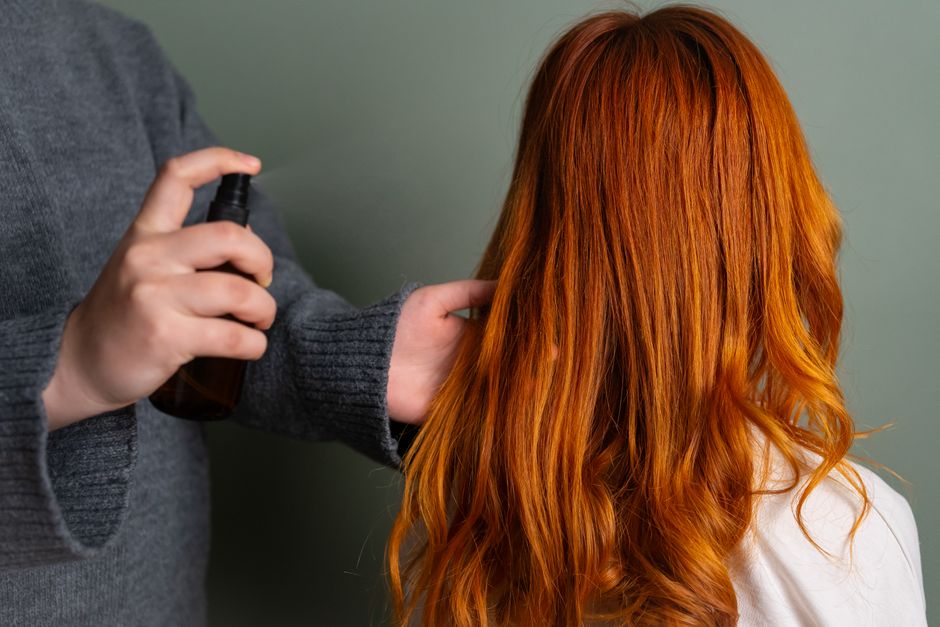
Hair changes color when the pigment-producing cells inside each follicle slow down or stop working. That pigment is melanin, and it is the same substance that gives skin and eyes their color. When those cells produce less melanin, new hair grows in lighter — gray, silver, or white — and the shift usually happens gradually over years.
This is a normal part of aging for most people. But color changes can also come from genetics, certain medical conditions, vitamin deficiencies, medications, and even stress. The cause shapes whether the change is permanent, reversible, or a sign of something worth checking.
Why Is My Hair Changing Color By Itself Causes?
The core reason is a decline in melanin production inside the hair follicle. Each follicle contains melanocytes — specialized cells that inject pigment into the hair shaft as it grows. Over time, these cells can become less active or die off. When that happens, the strand that grows out has little or no pigment.
There are two main pigments involved. Eumelanin creates brown and black tones. Pheomelanin creates red and yellow tones. The mix of these two determines your natural color. As eumelanin and pheomelanin production drops, hair moves through the color spectrum toward gray and then white.
Two well-established factors drive this process:
- Genetics. The timing of graying is largely inherited. If your parents grayed early, you likely will too.
- Age. Melanocyte activity declines naturally. By age 50, a large share of people have significant gray hair, though the exact age varies widely by person and ethnicity.
One detail that surprises many people: hair does not actually “turn” gray. A single strand cannot lose pigment once it has grown out of the follicle. What happens is that a new strand grows in without pigment, replacing the pigmented one that sheds. So the color change you see is really a change in what the follicle is producing right now.
Does Stress Really Cause Gray Hair?
Stress can affect hair pigmentation, and the evidence for this has grown stronger. Research published in Nature found that stress activates the sympathetic nervous system, which can deplete the melanocyte stem cells that supply pigment to hair follicles. Once those stem cells are lost, the follicle cannot easily replace them.
That said, the effect is not the same as everyday worry. The studies point to intense or prolonged stress, not a stressful week at work. And the change is not always reversible. Some research suggests hair can regain color if a stressful period ends, but this appears to apply mainly to recent, stress-related graying rather than gray hair caused by age or genetics.
It helps to separate two ideas. Age-related graying comes from a gradual, largely permanent decline in melanocytes. Stress-related graying may involve a faster depletion of pigment stem cells. The two can overlap, which makes it hard to know how much any single factor contributed.
Can a Vitamin Deficiency Change Hair Color?
Yes, in some cases. Certain nutrient deficiencies are linked to premature graying, meaning graying that happens earlier than expected for your age and family history.
The nutrients most often connected include:
- Vitamin B12. Low levels are associated with early graying, and B12 deficiency is more common in people who eat little or no animal products, older adults, and those with certain gut conditions.
- Iron. Iron deficiency can affect hair, though its link to color change specifically is less clear than its link to hair shedding.
- Copper. Copper is involved in melanin production, and deficiency can affect pigmentation.
- Folate and vitamin D. Some studies suggest associations with premature graying, but the evidence is not consistent.
It is worth being honest here: the research linking most individual nutrients to gray hair is limited and often based on small studies. The strongest and most consistent link is with vitamin B12. If you suspect a deficiency, a blood test is the reliable way to find out — not guesswork. Correcting a true deficiency may help, but it will not reverse graying that has other causes.





What Medical Conditions Can Change Hair Color?
Several health conditions can affect hair pigment, and they work through different mechanisms.
Thyroid disorders. Both an underactive and overactive thyroid can affect hair growth and pigmentation. Thyroid problems are also a common cause of hair thinning and shedding, so color changes often come alongside other hair changes.
Vitiligo. This condition causes the immune system to attack melanocytes. When it affects the scalp, hair in those areas can lose pigment and grow in white. Vitiligo also causes patches of lighter skin.
Alopecia areata. This autoimmune condition attacks hair follicles. When hair regrows after an episode, it can sometimes come back white or gray before returning to its original color — or it may stay changed.
Nutritional and metabolic conditions. Severe malnutrition and certain chronic illnesses can affect pigmentation, though these are less common causes in otherwise healthy adults.
If hair color changes happen suddenly, come with skin changes, or appear alongside fatigue, weight changes, or hair loss, that is a reason to see a doctor. Sudden changes are less typical of normal aging.
Can Medications or Chemicals Change Hair Color?
Some medications can affect hair pigmentation, and this is a well-documented but often overlooked cause. Drugs that have been associated with hair color changes include certain antimalarials, some chemotherapy agents, and a few medications used for epilepsy and other conditions.
The mechanism varies. Some drugs interfere with melanin production directly. Others affect the hair growth cycle in ways that change how pigment is deposited.
External exposures matter too:
- Chlorine and hard water. These do not change the pigment inside the hair, but they can leave mineral deposits that make hair look duller or brassy, especially on light hair.
- Heavy metals. Exposure to certain metals can discolor hair, though this is uncommon and usually tied to specific occupational or environmental exposure.
- Sun exposure. UV light breaks down melanin in the hair shaft, lightening hair over time. This is a change to existing hair, not to new growth.
If you notice a color change after starting a new medication, mention it to your prescriber. Do not stop a medication on your own.
Is Premature Graying a Health Warning Sign?
Usually, no. Graying before age 30 or 40 is common and often runs in families. For many people it is simply an inherited trait with no health implications.
However, premature graying has been associated in some studies with certain health conditions, including thyroid disorders, vitamin B12 deficiency, and — in some research — cardiovascular risk. It is important not to overstate these links. An association in a study does not mean gray hair causes these conditions or that having gray hair means you have them.
A reasonable approach: if your graying is premature and you have other symptoms, a basic check of thyroid function and B12 levels is a sensible conversation to have with your doctor. If you feel well and have no other symptoms, premature graying alone is not a reason for alarm.
Can Gray Hair Be Reversed?
Sometimes, but not reliably, and the evidence is limited. A small number of studies have reported that hair can regain color after a stressful period ends or after a deficiency is corrected. These cases appear to involve follicles that still have functioning melanocyte stem cells.
Once those stem cells are gone, the change is generally permanent. That is why age-related graying does not typically reverse — the pigment cells are no longer there to restart production.
This is also why most products marketed to “restore” natural color do not have strong evidence behind them. Some supplements claim to reverse graying, but no large human trials have confirmed these claims. If a product promises to bring back your original color, treat that claim with caution.
What genuinely helps depends on the cause. Correcting a real deficiency, treating an underlying thyroid condition, or reducing severe stress may help in specific situations. For ordinary age-related graying, the honest answer is that it is not currently reversible with any proven method.
When Should You See a Doctor About Hair Color Changes?
Most hair color changes are harmless and need no medical attention. But some patterns are worth evaluating.
Consider seeing a doctor if you notice:
- Sudden or rapid color change, rather than a gradual shift over years
- Color change along with patchy hair loss or patches of lighter skin
- Graying that starts unusually early and comes with fatigue, weight changes, or other symptoms
- Color changes that begin after starting a new medication
A doctor can check for thyroid problems, vitamin deficiencies, and autoimmune conditions. These are the causes most likely to be treatable, and identifying them early can matter for your overall health — not just your hair.
Frequently Asked Questions
Why is my hair changing color by itself?
Your hair follicles are producing less melanin, the pigment that gives hair its color. This happens when the pigment-producing cells slow down or stop, which is usually caused by genetics and aging.
Can stress turn my hair gray?
Intense or prolonged stress can deplete the pigment-producing stem cells in hair follicles, according to research published in Nature. Everyday stress is unlikely to cause noticeable graying on its own.
Can a vitamin deficiency cause gray hair?
Vitamin B12 deficiency has the strongest and most consistent link to premature graying, and copper deficiency may also play a role. A blood test is the reliable way to check, since correcting a deficiency may help only when one truly exists.
Can gray hair go back to its natural color?
Sometimes hair can regain color after a stressful period ends or a deficiency is corrected, but this is not reliable and depends on whether pigment stem cells are still present. Age-related graying is generally permanent.
