
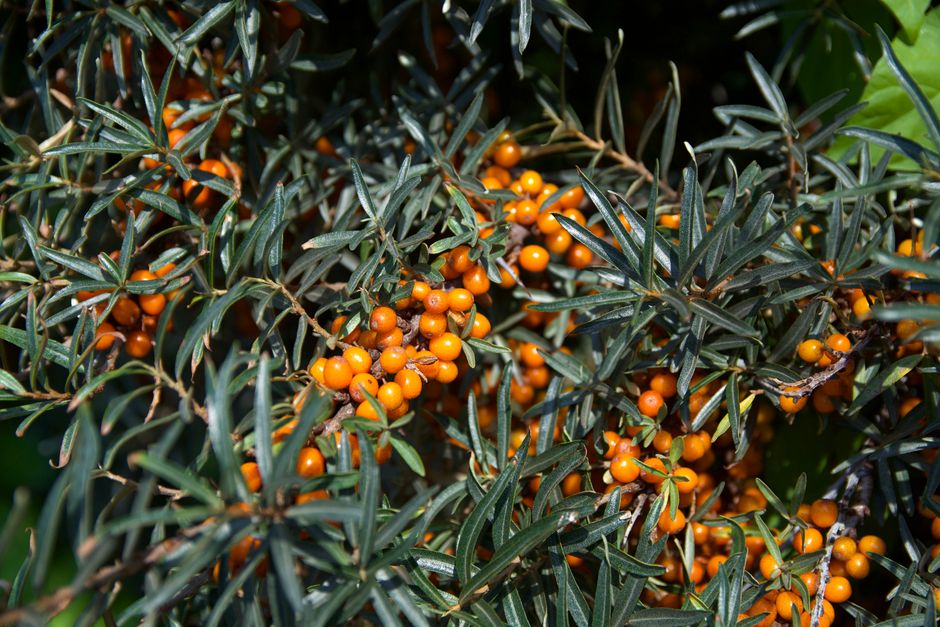
A fine line buckthorn that is dying is almost always losing one of three things: water, oxygen at the roots, or light. This plant is a narrow columnar form of buckthorn (Rhamnus frangula ‘Fine Line’, also sold as ‘Ron Williams’). It is grown for its fine, fern-like leaves and upright shape, not for fruit or flowers. When it declines, the cause is usually a site or watering problem rather than a pest or disease. The plant is tough once established, which makes a steady decline a signal that something in its growing conditions is wrong.
Why Is My Fine Line Buckthorn Dying?
Most dying fine line buckthorns are sitting in soil that stays too wet, or they were planted in a spot that gets too little sun. Root problems are the leading cause. The plant tolerates a range of soils, but it does not tolerate waterlogged ground. When roots sit in saturated soil, they cannot take up oxygen, and they begin to rot. Above ground, the shrub looks like it is drying out even though the soil is wet.
Sun is the second common factor. Fine line buckthorn grows best in full sun. In deep shade it thins out, loses leaves from the inside, and stops putting on new growth. A shrub that gets less than about half a day of direct sun will look sparse and weak over time.
Less often, the problem is drought. Newly planted buckthorns have small root systems and dry out fast, especially in sandy soil or in the first season after planting. The leaves curl, turn brown at the edges, and drop. The difference between drought and drowning is easy to check: push a finger or a trowel into the soil a few inches down. Dry soil points to underwatering. Soggy soil points to the opposite.
One point that surprises many gardeners: fine line buckthorn is a cultivar of glossy buckthorn, which is classified as invasive in many parts of North America. That matters for where you plant it and whether local rules apply. It does not explain why a specific shrub is dying, but it is worth knowing before you replace one.
What Does Root Rot Look Like in Fine Line Buckthorn?
Root rot shows up above ground as yellowing leaves, wilting that does not recover after watering, and dieback that starts at the base or the tips. The soil around the plant stays damp long after rain. If you dig up a sick plant, healthy roots are firm and pale. Rotted roots are dark, mushy, and give off a sour smell.
Once root rot is advanced, the plant usually cannot be saved. The honest position is that there is no reliable chemical treatment for root rot in garden shrubs. Fungicides labeled for root disease are not a cure once the roots are damaged. The practical response is to correct the drainage, reduce watering, and accept that a badly affected plant may need to be removed.
Heavy clay soil is the usual setup. Clay holds water and drains slowly. Planting a buckthorn into a clay bowl, where the hole fills with water and cannot drain, is a common way to drown a new shrub. If your soil is clay, planting slightly high and improving the surrounding soil helps more than anything you can spray on the leaves.
How Much Water Does Fine Line Buckthorn Need?
A newly planted fine line buckthorn needs regular watering through its first growing season, then much less once its roots spread. There is no single correct amount, because soil type, weather, and plant size all change the answer. The reliable method is to check the soil rather than follow a fixed schedule. Water when the top few inches are dry, and do not water when they are already wet.
Once established, the plant is fairly drought tolerant. It handles dry spells better than wet ones. That is why overwatering and poor drainage cause more deaths than drought does. A common mistake is to keep watering a shrub that looks wilted, when the wilt is actually caused by soggy roots. More water makes that worse.
- Check soil moisture a few inches down before watering.
- Water deeply and less often rather than lightly and daily.
- Keep mulch a few inches back from the trunk to avoid holding moisture against the stem.
- Improve drainage before planting if the site holds water.
Can Pests or Disease Kill a Fine Line Buckthorn?
Pests and disease are not the usual cause of death in this shrub. Fine line buckthorn is generally not a heavy target for insects or fungal problems. When it does decline, the trouble is nearly always environmental. That said, a few issues can appear on a stressed plant.
Aphids and scale insects sometimes show up on weakened growth. They rarely kill a healthy shrub on their own. Cankers, which are dead patches of bark, can develop on wood that has been damaged or stressed, and they cause dieback of individual branches. If you see sunken, discolored areas on stems, prune back to healthy wood.
Leaf spotting and yellowing are more often signs of poor growing conditions than of a specific disease. Before treating for a pest or disease, rule out water, drainage, and light problems. In most cases, the plant is reacting to its site, not fighting an infection.
Why Is My Newly Planted Fine Line Buckthorn Turning Brown?
A newly planted buckthorn that turns brown is usually dealing with transplant stress, and the cause is often water in the wrong amount. Too little water dries the small root ball out fast. Too much, especially in clay, drowns it. Both can look similar above ground, so the soil check is the key step.
Planting depth matters too. If the root flare, where the trunk meets the roots, is buried below the soil line, the trunk stays wet and the plant struggles. The root flare should sit at or slightly above the soil surface. A shrub planted too deep can decline for a season or more before it becomes obvious.
Give a new plant time. Some browning and leaf drop in the first weeks after planting is normal as roots adjust. Steady decline over months is a sign the site or watering needs to change. There is no reliable timeline that fits every plant, because it depends on soil, weather, and how much root was disturbed at planting.
How Do You Save a Dying Fine Line Buckthorn?
You save a dying fine line buckthorn by fixing the growing conditions, not by adding products. Start with the soil. Check whether it drains and whether it stays wet. If the ground is waterlogged, correct the drainage or move the plant. If it is bone dry, water it deeply and then check again in a few days.
Prune dead and damaged branches back to healthy wood. This helps the plant put energy into growth that is still alive and improves airflow. Do not cut into healthy wood hoping to force new growth. Remove any mulch that is piled against the trunk.
Check the light. If the shrub is in heavy shade, it will not recover its full form there. Fine line buckthorn needs sun to stay dense and upright. Moving it to a sunnier spot, if the plant is small enough to transplant, can make a real difference.
Be realistic about advanced decline. A shrub with widespread dieback and rotted roots is unlikely to recover, and replacing it is often the better choice. If you replace it, choose a site with good drainage and full sun, and plant at the correct depth. Correcting the site before planting prevents most of the problems that kill this shrub in the first place.
Frequently Asked Questions
Why is my fine line buckthorn turning yellow?
Yellowing usually points to wet roots or poor drainage rather than disease. Check the soil a few inches down, and if it is soggy, reduce watering and improve drainage.
Does fine line buckthorn need full sun?
Yes, it grows best in full sun and thins out in deep shade. A shrub that gets less than about half a day of direct sun will look sparse over time.
Can a dying fine line buckthorn come back?
It can recover if the cause is fixed early, such as correcting watering or drainage. A plant with widespread dieback and rotted roots usually will not recover and is best replaced.
Is fine line buckthorn invasive?
It is a cultivar of glossy buckthorn, which is classified as invasive in many parts of North America. Check your local rules before planting or replacing one.
