
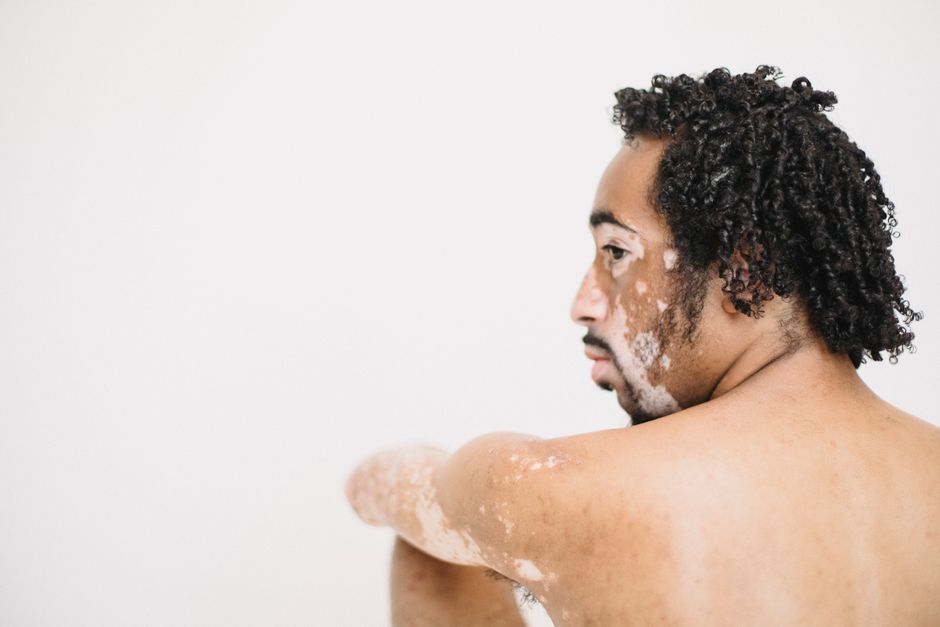
Patchy facial hair is usually a growth pattern, not a disease. Hair follicles on the face develop in cycles, and some areas simply produce thinner, slower, or lighter growth than others. Genetics is the most common reason. When the patchiness is new, sudden, or comes with other symptoms, it’s worth looking at health factors too.
Most men notice uneven beard growth in their twenties and thirties. The cheeks, jawline, and chin fill in at different rates, and the connectors between the mustache and beard are often the last to arrive. For many, those gaps close on their own over time. For others, the pattern is permanent and entirely normal.
Why Is My Facial Hair Patchy? Causes and Fixes
Facial hair grows from follicles that respond to androgens, mainly testosterone and its more potent form, dihydrotestosterone (DHT). Follicles differ in how sensitive they are to these hormones. That sensitivity is largely genetic.
Some follicles have fewer androgen receptors or respond less strongly to them. Those follicles produce finer, shorter, or lighter hairs. This is why two men with identical testosterone levels can have completely different beards.
Blood testosterone levels are a poor predictor of beard density. A man with low-normal testosterone can grow a full beard, and a man with high testosterone can have patchy growth. What matters is how each follicle responds, not how much hormone is circulating.
Hair also grows in cycles. Each follicle moves through a growth phase, a transition phase, and a resting phase. Facial hair has a longer resting phase than scalp hair, which is part of why beards grow more slowly and why some areas can look sparse at any given time.
Is Patchy Facial Hair Genetic?
Genetics is the single biggest factor in beard density and distribution. Research on hair traits consistently shows that inherited variation shapes hair thickness, color, and where follicles are most active.
If your father or grandfather had gaps in the same places, you likely will too. Patterns often run in families. This includes the common bare patches on the cheeks and the thin connectors between mustache and beard.
Age matters as well. Many men see their beards thicken through their late twenties and into their thirties. The follicles are not new. They become more responsive over time as androgen exposure continues. Some men in their forties notice slower growth or thinning, which is a normal part of aging.
Ethnic background also influences beard patterns. Men of East Asian and some Indigenous American ancestry tend to have less facial hair density on average, while men of Mediterranean and Middle Eastern ancestry often have denser growth. These are population averages, not rules for any individual.
What Medical Conditions Cause Patchy Facial Hair?
When patchiness appears suddenly or comes with other symptoms, a medical cause deserves attention. True patchy hair loss on the face and scalp can point to a few conditions.
- Alopecia areata — an autoimmune condition where the immune system attacks hair follicles. It causes smooth, round bald patches on the beard, scalp, or both. The skin looks normal, not scarred. It can come and go.
- Low testosterone (hypogonadism) — a genuine hormone deficiency can reduce beard growth, but it usually comes with other signs like low energy, reduced sex drive, and loss of muscle mass. Beard thinning alone is rarely the first sign.
- Thyroid disorders — both an underactive and overactive thyroid can affect hair growth and cause diffuse thinning, including on the face.
- Nutritional deficiencies — severe iron, zinc, or protein deficiency can affect hair growth. These are uncommon causes of isolated facial patchiness in well-nourished people.
- Skin conditions — scarring from acne, folliculitis, or infections can damage follicles permanently and leave bare patches.
- Medications and treatments — some drugs, including certain chemotherapy agents and hormonal treatments, can affect hair growth.
True alopecia areata is not the same as a natural growth pattern. The patches are usually smooth and well defined, and the skin underneath looks normal. If you can see clear round bald spots rather than just thin or slow-growing areas, that’s a different picture worth having a doctor look at.
Sudden, rapid hair loss, patches with redness or scaling, or hair loss alongside fatigue, weight change, or other symptoms should be checked by a clinician. A doctor can examine the skin and, if needed, order blood tests.




Does Shaving Make Facial Hair Grow Back Thicker?
No. Shaving does not change hair thickness, density, or growth rate. This is one of the most persistent myths about facial hair.
Shaving cuts hair at the surface. The short regrowth feels coarser because a blunt cut edge feels rougher than a natural tapered tip. The follicle underneath is unchanged. Hair grows back at the same rate and thickness it would have without shaving.
The same applies to the idea that shaving more often speeds up beard growth. It doesn’t. The rate of growth is set by your hormones and genetics, not by how often you shave.
Some men do notice their beards filling in during the years they shave regularly. That’s age and hormone response, not the razor.
Can Diet or Supplements Fix Patchy Facial Hair?
Only if a genuine deficiency is present. No supplement has been shown to fill in beard patches in men with normal nutrient levels.
Hair is made mostly of protein. Severe protein malnutrition can affect hair growth, but this is rare in people eating a normal diet. Iron and zinc are involved in normal hair follicle function, and deficiencies can cause hair loss. Correcting a deficiency can help restore normal growth. Taking extra when you’re not deficient does not.
Biotin supplements are widely marketed for hair growth. The evidence for biotin in people without a deficiency is limited. No large human trials have confirmed that biotin improves beard density in healthy men. Biotin can also interfere with certain lab tests, including thyroid and heart marker tests, which is a real safety consideration.
Some research suggests that low vitamin D may be linked to hair loss in some people. The evidence is not strong enough to say that vitamin D supplements regrow beard hair. Testing before supplementing is reasonable.
Be cautious with any product marketed to “boost” beard growth. No over-the-counter supplement has been shown in controlled trials to reliably increase facial hair density in men without a deficiency.
What Actually Helps With Patchy Facial Hair?
For most men, the honest answer is time and acceptance of a normal pattern. Many beards fill in through the twenties and thirties without any intervention.
Grooming can make patchiness look less obvious. Keeping the beard at a consistent length helps. A shorter, well-trimmed beard often looks denser than a long, uneven one. Letting thinner areas grow longer rarely helps and can make gaps more visible.
Minoxidil is a medication that some people apply to the face to encourage beard growth. It is approved for scalp hair loss, not facial hair. Some clinicians recommend it off-label for beard growth, and some small studies suggest it may help. The evidence is not as strong as for scalp use, and it can cause skin irritation and other side effects. This is a decision to make with a doctor, not from a forum thread.
If you suspect a medical cause — sudden patches, smooth bald spots, or other symptoms — see a clinician. A dermatologist can examine the skin and distinguish a normal growth pattern from a condition that needs treatment.
One clarification worth making: a patchy beard is not a sign of poor health in most men. It reflects how your follicles respond to hormones, which is set largely before you can do anything about it. The exceptions are sudden changes and true bald patches, which are worth a closer look.
Frequently Asked Questions
Why is my facial hair patchy all of a sudden?
Sudden patchiness is different from a lifelong pattern and can point to a medical cause like alopecia areata, a thyroid issue, or a nutritional deficiency. Rapid or well-defined bald patches should be checked by a doctor.
Can patchy facial hair fill in on its own?
Yes, many men see their beards thicken through their late twenties and thirties as follicles become more responsive to hormones. Whether yours fills in depends on your genetics and age.
Does testosterone level affect beard growth?
Only partly. Beard density depends more on how sensitive your follicles are to androgens than on your total testosterone level, which is why men with similar hormone levels can have very different beards.
Is a patchy beard a sign of low testosterone?
Not usually. Low testosterone can reduce beard growth, but it typically comes with other signs like low energy and reduced sex drive, and a patchy beard alone is rarely the first sign.
