
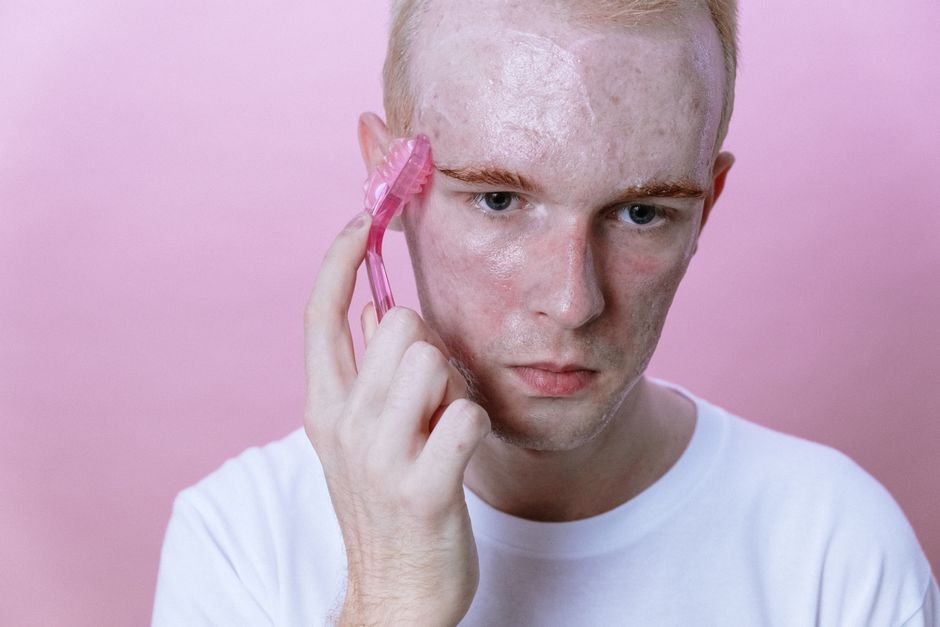
A face that turns pink or red can be confusing. It might happen after a hot drink, during a stressful meeting, or for no reason you can identify. For many people, this is simple flushing. For others, it is a sign of rosacea, a chronic skin condition. Understanding the difference matters because the causes, triggers, and treatments are not the same. This article explains why your face flushes, what rosacea looks like, and when the redness might point to something else.
What Causes the Face to Turn Pink or Red?
Flushing happens when blood vessels in your face widen. This process is called vasodilation. More blood flows to the skin surface, and that extra blood shows through as pink or red color.
Your body controls this response through the autonomic nervous system. That is the same system that manages heart rate and digestion. It responds to heat, emotion, and certain chemicals in food.
Common triggers include spicy food, hot beverages, alcohol, and sudden temperature changes. Exercise also causes flushing because your body works to release heat. These are normal, temporary responses. The color fades when the trigger goes away.
Some medications cause flushing as a side effect. Niacin, a B vitamin, is a well-known example. Certain blood pressure drugs and steroids can also cause facial redness. If you started a new medication and noticed the flush, talk to your prescriber.
What Is Rosacea and How Is It Different From Flushing?
Rosacea is a chronic inflammatory skin condition. It mostly affects the central face — the cheeks, nose, chin, and forehead. Flushing is a symptom of rosacea, but rosacea is more than just flushing.
People with rosacea often have persistent redness, not just temporary flushes. They may also develop visible blood vessels, called telangiectasia, and small red bumps or pustules that look like acne but are not acne.
The key difference is duration. A flush from spicy food fades in minutes to hours. The redness of rosacea can last for days or become permanent. Over time, the skin may thicken, especially around the nose. This is more common in men and is called rhinophyma.
Rosacea is not caused by poor hygiene. It is not contagious. The exact cause is still not fully understood, but genetics, immune system responses, and skin microbes all appear to play a role.
What Are the Main Types of Rosacea?
Rosacea looks different from person to person. Doctors often group it into subtypes based on the main symptoms.
- Erythematotelangiectatic rosacea: Persistent redness and visible blood vessels. Flushing is frequent and intense.
- Papulopustular rosacea: Redness with bumps and pus-filled pimples. This type is often mistaken for acne.
- Rhinophyma: Thickened skin and irregular bumps on the nose. This is less common and develops slowly over years.
- Ocular rosacea: Affects the eyes. Symptoms include dryness, burning, and a gritty feeling. The eyes may look bloodshot.
People can have more than one subtype at the same time. Ocular rosacea is often overlooked. If you have facial rosacea and eye irritation, mention it to your doctor. Eye involvement can lead to complications if untreated.





What Triggers Rosacea Flare-Ups?
Triggers vary by person. What causes a flare in one person may not affect another. Keeping a diary of your daily activities and skin changes can help you identify your personal triggers.
Sun exposure is one of the most common triggers. Ultraviolet light damages skin and worsens inflammation. Daily sunscreen use is a standard recommendation for rosacea management.
Heat is another frequent trigger. Hot weather, hot baths, saunas, and hot drinks can all cause flushing. Alcohol, especially red wine, dilates blood vessels and is a well-documented trigger.
Spicy foods, foods high in histamine, and some fermented foods may provoke flares in some people. Emotional stress is a major trigger for many. Stress management techniques do not cure rosacea, but they may reduce the frequency of flares.
Skincare products matter. Harsh cleansers, alcohol-based toners, and exfoliants can strip the skin barrier and worsen redness. Gentle, fragrance-free products are generally better tolerated.
When Facial Redness Is Not Rosacea
Not all facial redness is rosacea. Several other conditions can cause a pink or red face.
Contact dermatitis is a reaction to something that touches your skin. It causes redness, itching, and sometimes a rash. Common culprits include fragrances, preservatives, and certain metals. The redness is usually limited to the area that touched the irritant.
Seborrheic dermatitis causes red, scaly patches, often around the nose and eyebrows. It is oily and flaky, unlike the smooth redness of rosacea.
Lupus can cause a butterfly-shaped rash across the cheeks and nose. This rash is often raised and may be accompanied by other symptoms like joint pain and fatigue. Lupus is a systemic autoimmune disease and requires medical evaluation.
Carcinoid syndrome is a rare condition that causes flushing. It comes from a tumor that releases hormones. The flushing is often sudden and may be accompanied by diarrhea or wheezing. This is uncommon, but it is a reason to see a doctor if flushing is severe or unexplained.
If your redness comes with pain, blistering, or systemic symptoms like fever, seek medical attention promptly. These are not signs of simple rosacea.
How Is Rosacea Diagnosed?
There is no single test for rosacea. A doctor diagnoses it based on your history and a physical exam of your skin. They look for persistent redness, visible blood vessels, and bumps in the central face.
Your doctor may ask about your triggers, your family history, and any eye symptoms. In some cases, they may do tests to rule out other conditions. For example, a skin scraping can check for demodex mites, which are more common in people with rosacea, though their exact role is debated.
If your symptoms are mild, a primary care doctor can often diagnose rosacea. For moderate to severe cases, a dermatologist is the right specialist. Dermatologists have more experience distinguishing rosacea from look-alike conditions.
What Treatments Are Available for Rosacea?
Rosacea cannot be cured, but it can be managed. Treatment goals are to control symptoms, reduce flare-ups, and prevent progression. The right treatment depends on your subtype and severity.
Topical prescriptions are often the first step. Brimonidine gel and oxymetazoline cream work by constricting blood vessels. They reduce redness temporarily. Other topical medications, like metronidazole, azelaic acid, and ivermectin, target the bumps and inflammation.
Oral medications are used for moderate to severe cases. Low-dose doxycycline is a common choice. At this dose, it works as an anti-inflammatory rather than an antibiotic. Isotretinoin is reserved for severe, treatment-resistant cases because of its side effect profile.
Laser and light therapies can reduce visible blood vessels and persistent redness. Intense pulsed light (IPL) and vascular lasers are the most common options. These treatments do not stop new vessels from forming, so they are not a permanent fix. They require maintenance sessions.
No clinical evidence currently confirms that any diet cures rosacea. Some people find that avoiding their food triggers helps, but this is individual. There is no standard “rosacea diet.”
Daily Skin Care for a Red or Flushed Face
Skin care for rosacea is about protection and gentleness. Harsh products make redness worse.
Use a mild, non-foaming cleanser. Wash with lukewarm water, not hot. Pat your skin dry with a soft towel. Do not rub.
Moisturizers help repair the skin barrier. Look for products with ceramides, niacinamide, or squalane. Avoid products with alcohol, fragrance, or essential oils. These ingredients are common irritants.
Sunscreen is non-negotiable. Choose a mineral sunscreen with zinc oxide or titanium dioxide. These physical blockers sit on the skin and reflect UV light. They are less likely to sting than chemical sunscreens. Apply it every morning, even on cloudy days.
Test any new product on a small area of skin first. Apply it behind your ear or on your jawline for a few days before using it on your whole face. This helps you catch a reaction before it spreads.
When Should You See a Doctor?
Occasional flushing after a hot drink or a stressful event is normal. You do not need a doctor for that.
See a doctor if the redness persists for days, if you develop bumps that do not clear, or if the redness spreads beyond your face. Also see a doctor if you have eye symptoms like dryness, burning, or blurred vision.
Sudden severe flushing with other symptoms like rapid heartbeat, diarrhea, or wheezing warrants prompt medical evaluation. This combination is not typical of rosacea and may point to another condition.
Early diagnosis matters. Rosacea can progress over time. Treating it early gives you the best chance of keeping it under control. It also helps you avoid permanent changes like thickened skin or lasting redness.
Frequently Asked Questions
Can rosacea go away on its own?
No, rosacea is a chronic condition that does not resolve without treatment. Symptoms can fluctuate, but the underlying tendency to flush and develop redness persists.
Is rosacea the same as acne?
No, rosacea and acne are different conditions. Rosacea causes redness and bumps in the central face without blackheads, while acne involves blocked pores and can appear on the chest and back.
Does drinking alcohol cause rosacea?
Alcohol does not cause rosacea, but it is a common trigger for flare-ups. Red wine is especially likely to cause flushing in people who already have the condition.
Can stress make facial redness worse?
Yes, emotional stress can trigger flushing and worsen rosacea symptoms. Managing stress may reduce the frequency of flare-ups, but it does not cure the condition.
