
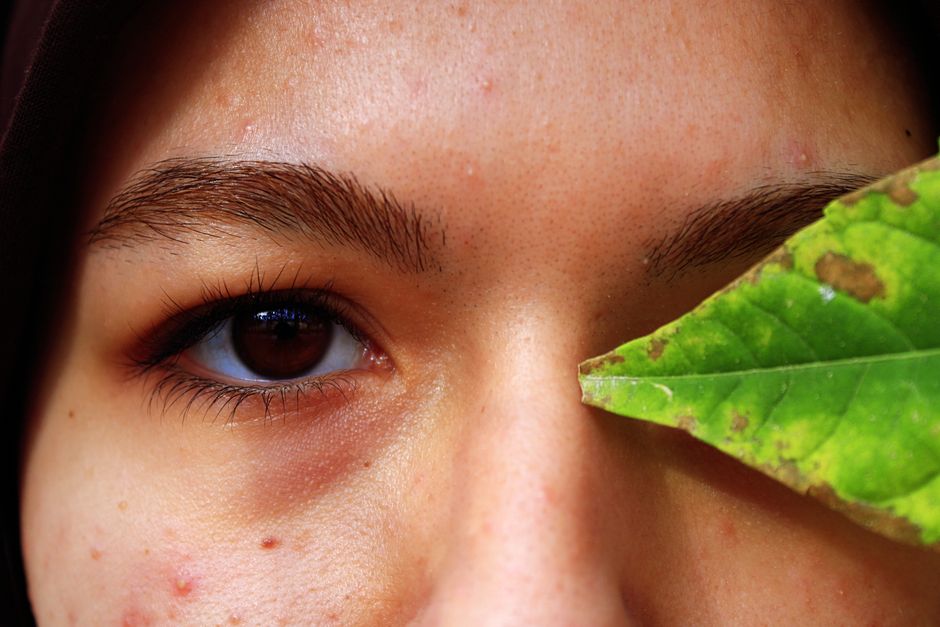
Dry, itchy eyelids are a common and frustrating problem. The skin on your eyelids is the thinnest skin on your body, and it has very few oil glands, which makes it highly sensitive to irritation. The cause is usually one of three things: a skin condition like eczema, an allergic reaction to something you touched, or an issue with the oil glands along the edge of your eyelid. Identifying the exact trigger is the first step toward finding relief, but until you do, a gentle cleansing routine and a basic, fragrance-free moisturizer are the safest starting points.
What Causes Dry and Itchy Eyelids?
The most common cause is contact dermatitis. This is an allergic or irritant reaction to something that touches your skin. Because eyelid skin is so thin, it reacts faster and more visibly than skin elsewhere on your body.
Common culprits include:
- Eye makeup, especially mascara and eyeliner
- Nail polish, which you may touch when rubbing your eyes
- Hair dye or hair products that drip onto your face
- Fragranced face creams or cleansers
- Nickel from jewelry or eyeglass frames
Another frequent cause is atopic dermatitis, commonly known as eczema. This is a chronic condition that causes dry, itchy, inflamed skin. When it affects the eyelids, it often appears with eczema on other parts of the face or body. People with asthma or seasonal allergies are more likely to have eyelid eczema.
A third cause is blepharitis. This is an inflammation of the eyelid margin, usually involving the oil glands at the base of the eyelashes. When these glands get clogged or infected, the eyelids become red, flaky, and itchy. Blepharitis is often linked to dandruff or rosacea.
Less common causes include seborrheic dermatitis, which produces greasy scales, and psoriasis, which creates thicker, silvery plaques. Both can appear on the eyelids, but they are less frequent than the conditions listed above.
Why Is My Eyelid Dry And Itchy Causes Care: How to Tell Them Apart
Distinguishing between these causes matters because the treatment differs. An allergic reaction needs the trigger removed. Eczema needs consistent moisturizing. Blepharitis needs eyelid hygiene.
Look at the pattern of your symptoms. If the itching started shortly after you used a new product, contact dermatitis is likely. If the dryness is chronic and worsens in winter or with stress, eczema is probable. If the problem is concentrated at the base of your lashes with crusting or a gritty feeling, blepharitis is the likely cause.
The location also offers clues. Contact dermatitis often affects the upper eyelid, where makeup is applied. Eczema tends to affect both upper and lower lids. Blepharitis is almost always confined to the eyelid margin—the line where the lashes grow.
If you are unsure, a dermatologist or ophthalmologist can look at your eyelids with a slit lamp and give you a definitive diagnosis. Guessing wrong can prolong the irritation or make it worse.
What Makes Eyelid Skin So Sensitive?
The eyelid skin is structurally different from skin on your arm or back. It is roughly 0.5 millimeters thick—about one-third the thickness of skin elsewhere. It has fewer oil glands, which means less natural moisture and less protection against irritants.
The eyelids also have a high concentration of blood vessels close to the surface. This is why they swell and redden quickly in response to irritation. When you scratch or rub them, you release histamine, which causes more itching. This creates a cycle: the more you rub, the more it itches.
This thin barrier also absorbs topically applied substances more readily. Products that are harmless on your hands can cause a significant reaction on your eyelids. This is why dermatologists recommend avoiding fragranced products around the eye area entirely.
How to Care for Dry Itchy Eyelids at Home
Start by stopping all potential irritants. This means no eye makeup, no fragranced face products, and no eyelash serums for at least two weeks. Wash your face with a gentle, fragrance-free cleanser and lukewarm water. Hot water strips away the little oil your eyelids have.
Apply a cold compress for five to ten minutes to reduce itching and swelling. This is safe and effective for any of the three main causes. It provides immediate relief without adding chemicals to the area.
For moisture, use a plain, fragrance-free eye cream or a small amount of petroleum jelly. Apply it sparingly. The skin here is thin, and too much product can clog the oil glands and worsen the problem. Do not use anti-aging creams, retinol, or products containing acids while your eyelids are irritated.
If you suspect blepharitis, eyelid hygiene is the core treatment. This involves placing a warm, damp cloth over your closed eyes for five minutes to soften crusts and loosen clogged oil. Then gently scrub the base of the lashes with a clean washcloth or a commercial eyelid scrub pad. Do this once daily.
When to See a Doctor
Most cases of dry, itchy eyelids improve within one to two weeks once you remove the irritant and start a gentle care routine. If your symptoms do not improve in that time, see a doctor.
Seek medical care sooner if you notice any of these signs:
- Severe pain in or around the eye
- Blurred vision or sensitivity to light
- Swelling that spreads beyond the eyelid
- Yellow crusting or discharge, which may indicate infection
- Blisters or sores on the eyelid
A doctor can prescribe a topical steroid to reduce inflammation or an antibiotic if an infection is present. These treatments are effective but should be used under medical supervision. Long-term use of steroid creams on the eyelids can cause thinning of the skin and even glaucoma.
Can You Prevent Dry Itchy Eyelids?
Prevention depends on the underlying cause. If you have identified a product that triggers a reaction, avoid it permanently. Read ingredient labels carefully, and choose fragrance-free products labeled for sensitive skin.
If you have eczema, prevention is about maintaining the skin barrier. Apply a moisturizer daily, even when your eyelids feel fine. This reduces the frequency and severity of flare-ups. Avoid known triggers like harsh soaps, extreme temperatures, and rubbing your eyes.
If you have blepharitis, prevention is ongoing eyelid hygiene. Many people with blepharitis need to do warm compresses and lid scrubs a few times per week even when symptoms are quiet. This keeps the oil glands from re-clogging.
One thing to note: eyelid irritation can also come from something you are eating or taking internally. Some medications, including certain blood pressure drugs and antihistamines, can cause dry eyes and dry eyelid skin. If you started a new medication and noticed eyelid symptoms shortly after, mention this to your doctor.
Frequently Asked Questions
Can I use regular body lotion on my eyelids?
No. Regular body lotions often contain fragrances, alcohols, and other ingredients that will irritate thin eyelid skin. Use only products labeled for the eye area or plain petroleum jelly.
How long does eyelid dermatitis take to heal?
Once the irritant is removed, mild cases usually improve within a few days to two weeks. Chronic conditions like eczema may take longer and require ongoing management.
Is it safe to rub my eyes when they itch?
No. Rubbing releases more histamine, which increases itching, and it can damage the thin eyelid skin and stretch it over time. Use a cold compress instead.
Can dry eyes cause itchy eyelids?
Yes. When your eyes are dry, you may blink less or rub your eyes more, which irritates the eyelid skin. Treating the underlying dry eye can improve eyelid symptoms.
