
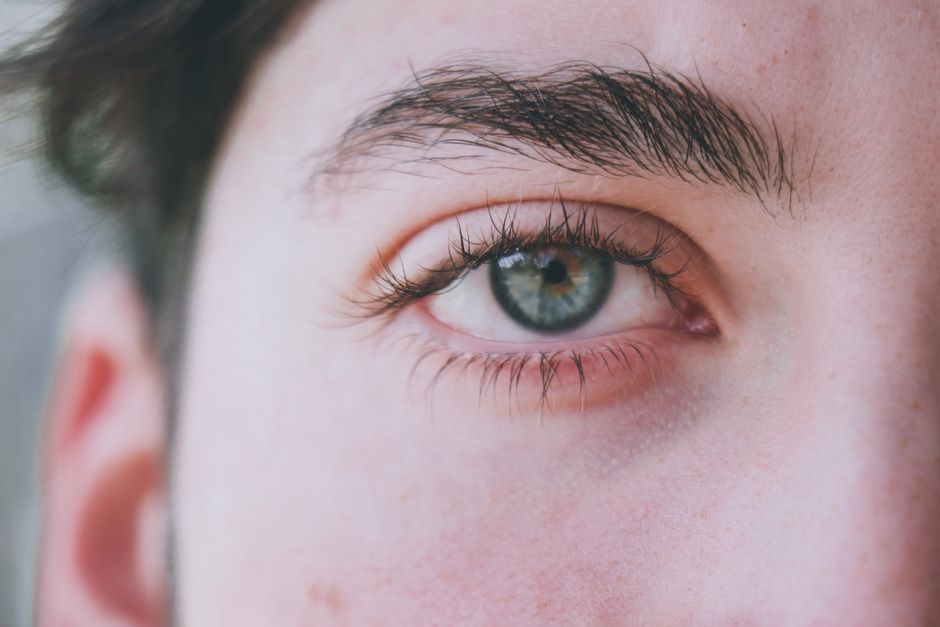
An eyelid twitch can be annoying, but when it feels like your eyelash line itself is pulsing, it is easy to worry. The vast majority of these twitches are harmless muscle spasms in the eyelid. They usually stop on their own within a few days. You should only be concerned if the twitching spreads to other parts of your face, lasts for weeks, or causes your eyelid to close completely.
What Causes an Eyelash Twitch?
What you feel as an eyelash twitch is actually a tiny muscle in your eyelid contracting on its own. The medical term is eyelid myokymia. It affects the orbicularis oculi muscle, which is the ring of muscle that closes your eye.
The twitch feels like it is in your eyelashes because that muscle sits right beneath the skin where your lashes grow. You are not feeling the hair follicle itself twitch. You are feeling the muscle underneath it.
Eyelid myokymia is almost always benign. It is not a sign of an eye disease and it does not damage your vision. Most people experience it at some point in their lives.
Common Triggers for Eyelid Twitching
Several everyday factors can trigger these spasms. Stress is one of the most frequently reported causes. When you are under pressure, your body releases hormones that can make muscles more excitable, including the small muscles around your eye.
Fatigue and lack of sleep are also common triggers. Your muscles need rest to recover. When you are sleep-deprived, muscle recovery is incomplete and spasms become more likely.
Caffeine and alcohol can contribute as well. Both are stimulants or depressants that affect your nervous system. For some people, cutting back on coffee or energy drinks is enough to stop the twitching.
Other triggers include:
- Eye strain from screens or reading
- Dry eyes
- Allergies that make you rub your eyes
- Nutritional imbalances, such as low magnesium
Dry eyes are a particularly common cause. When your eyes are dry, the surface becomes irritated. This sends signals to your brain that make you blink more forcefully, which can tire out the eyelid muscle.
How Long Should a Twitch Last?
A typical eyelid twitch comes and goes over a few days. It might last a few seconds at a time and repeat throughout the day. Most episodes resolve within one week.
Some people experience twitching that lasts longer. If the twitch continues for more than a week, it is reasonable to look at your sleep, stress, and caffeine habits. Often, addressing those factors resolves the issue.
In rare cases, twitching can persist for several weeks or months. This is still usually benign. However, persistent twitching warrants a conversation with a doctor to rule out other causes.





Why Is My Eyelash Twitching And When To Worry?
The honest answer is that you should worry very rarely. Eyelid myokymia is one of the most common benign neurological symptoms a person can experience. It does not indicate a stroke, a brain tumor, or a neurological disease in the vast majority of cases.
You should seek medical attention if the twitching spreads beyond your eyelid. If your cheek, the corner of your mouth, or your forehead starts twitching on the same side, that is different. That pattern can indicate a condition called hemifacial spasm, which involves the facial nerve and requires evaluation.
You should also see a doctor if your eyelid completely closes with each twitch. This is called blepharospasm. It is a different condition from myokymia and can interfere with vision. Blepharospasm is not dangerous, but it is treatable, and a neurologist or ophthalmologist can help.
Other warning signs include:
- Redness, swelling, or discharge from the eye
- Drooping of the eyelid
- Double vision or vision changes
- Weakness in any part of your face
- A twitch that lasts longer than a few weeks despite lifestyle changes
If you have any of these symptoms along with the twitch, do not wait. Contact your primary care doctor or an eye specialist.
What Is the Difference Between Myokymia and Blepharospasm?
Myokymia is the common, harmless twitch most people feel. It is subtle. You might notice it when you look in the mirror or when you close your eye gently. It does not force your eye shut and it does not spread to other muscles.
Blepharospasm is a different condition. It involves stronger, more forceful spasms that can squeeze your eye shut. These spasms can be painful and can interfere with daily activities like driving or reading.
Blepharospasm is a neurological movement disorder. It is not caused by stress or caffeine alone. It typically begins in middle age and can worsen over time if untreated. Treatments exist, including botulinum toxin injections, which relax the overactive muscles.
Hemifacial spasm is yet another condition. It causes twitching on one entire side of the face, not just the eyelid. It is caused by a blood vessel pressing on the facial nerve. This is treatable but requires proper diagnosis.
Knowing which type of spasm you have matters because the treatments are completely different. A simple eyelash twitch needs no treatment. The other conditions do.
Can Nutritional Deficiencies Cause Eyelid Twitching?
Some evidence suggests that low magnesium or calcium levels can contribute to muscle spasms generally. Magnesium plays a role in muscle relaxation. When levels are low, muscles may contract more easily.
However, eyelid twitching is rarely the only symptom of a magnesium deficiency. If your magnesium is genuinely low, you would likely also experience muscle cramps elsewhere, fatigue, or numbness. If you eat a varied diet with vegetables, nuts, and whole grains, a significant deficiency is unlikely.
Some clinicians recommend a magnesium supplement for persistent twitching. The evidence for this is limited. No large clinical trials have confirmed that magnesium supplements stop eyelid twitching in people with normal levels.
If you are concerned about a deficiency, ask your doctor for a blood test. Do not take high-dose magnesium supplements without medical guidance. Excess magnesium can cause digestive issues and interact with medications.
How to Stop an Eyelid Twitch
For most people, simple lifestyle adjustments are enough. Start by reducing caffeine intake. If you drink multiple cups of coffee or energy drinks daily, try cutting back for a week to see if the twitch improves.
Prioritize sleep. Most adults need seven to nine hours per night. If you have been running on less, catch up on rest and see if the twitch resolves.
Manage stress where you can. This does not mean eliminating stress entirely. It means building in recovery time. Short walks, deep breathing, or simply taking breaks from work can help reduce muscle tension.
If dry eyes are a factor, use artificial tears. Over-the-counter lubricating eye drops can soothe the ocular surface and reduce the urge to blink forcefully. If you spend long hours looking at screens, follow the 20-20-20 rule. Every 20 minutes, look at something 20 feet away for 20 seconds.
Warm compresses can also help. Applying a clean, warm cloth to your closed eyelid for five to ten minutes can relax the muscle. Do this once or twice daily if the twitch persists.
There is no proven medication to stop a benign eyelid twitch faster. Most treatments focus on removing the trigger rather than directly suppressing the spasm.
When to See a Doctor for Eyelid Twitching
Schedule an appointment if your twitch lasts longer than three weeks. Persistent twitching is worth evaluating even if it is not painful. A doctor can check for eye surface problems like dry eye disease or corneal irritation that you may not have noticed.
Seek same-day or urgent care if the twitch comes with vision loss, eye pain, or facial weakness. These symptoms point to conditions that need prompt attention.
See a doctor if both eyelids twitch at the same time forcefully. Bilateral blepharospasm can affect your ability to keep your eyes open. This condition responds well to treatment, but you need a proper diagnosis first.
Your primary care doctor can often evaluate eyelid twitching. They may refer you to a neurologist or an ophthalmologist if they suspect a condition beyond simple myokymia.
Frequently Asked Questions
Can an eyelash twitch be a sign of a stroke?
No. A stroke does not cause isolated eyelid twitching. A stroke affecting facial muscles would cause weakness or drooping, not a subtle twitch, and it would typically affect the whole side of the face.
How long is too long for an eyelid twitch?
Most twitches stop within a week. If a twitch continues for more than three weeks despite better sleep and less caffeine, see a doctor for evaluation.
Does dehydration cause eyelid twitching?
Dehydration can contribute to muscle cramps and spasms throughout the body, including the eyelid. Staying adequately hydrated is a reasonable preventive measure, though dehydration is not the most common cause of eyelid twitching.
Should I see an eye doctor or a neurologist for eyelid twitching?
Start with your primary care doctor or an eye doctor. They can examine your eye surface and assess the twitch pattern. They will refer you to a neurologist only if the twitch spreads or shows signs of a movement disorder.
