
An eyebrow that is swollen is almost always a local reaction to something in the area. The most common causes are a stye or an ingrown hair, a bug bite, or contact dermatitis from a cosmetic product. In most cases, the swelling responds to simple home care like a cold compress and antihistamines. However, if the swelling spreads to your eyelid or cheek, is accompanied by fever, or causes vision changes, you need to see a doctor promptly because that could indicate a spreading infection.
What Causes an Eyebrow to Swell?
The skin around the eye is among the thinnest on your body. The tissue underneath is loose, which means fluid and inflammation collect there easily. This is why even minor irritation in the eyebrow region produces visible swelling out of proportion to the actual injury.
The most frequent causes fall into a few clear categories:
- Infection of a hair follicle: This is a stye or folliculitis. Bacteria enter the hair root, causing a tender, red bump that swells the surrounding skin.
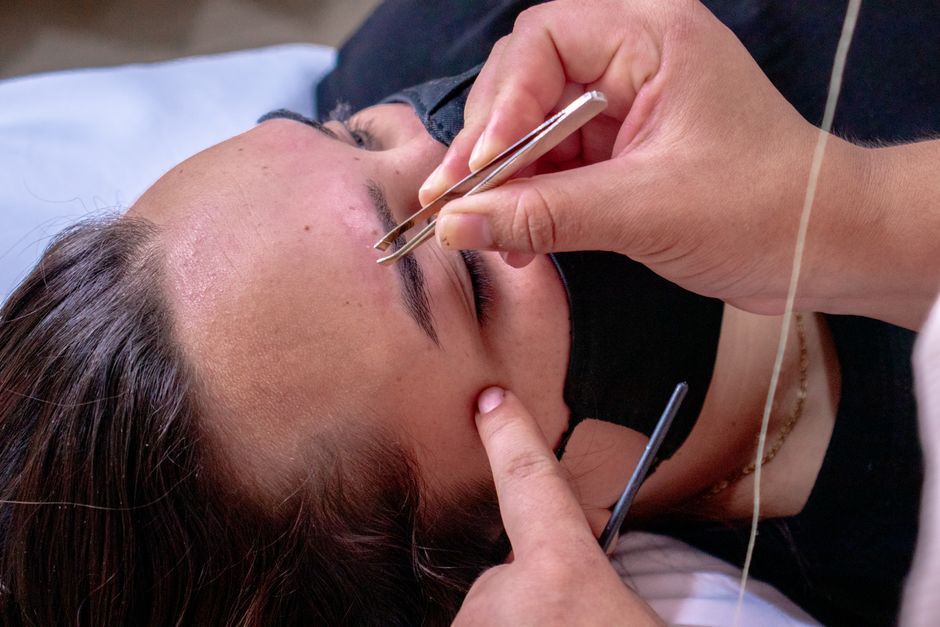
- Ingrown hair: After tweezing or waxing, a hair can curl back into the skin. This creates a foreign-body reaction that looks and feels like a pimple.
- Bug bite: Mosquitoes, spiders, and other insects bite the face. The bite triggers a histamine release that causes swelling and itching.
- Contact dermatitis: A reaction to makeup, eyebrow serum, cleanser, or even a new pillowcase detergent. The skin becomes red, itchy, and swollen.
- Trauma: A bump to the brow bone from an accident or sports injury. Swelling here is often accompanied by bruising.
- Sebaceous cyst: A blocked oil gland that becomes inflamed. This feels like a firm, round lump under the skin.
Less common but more serious causes include shingles (herpes zoster) along the forehead nerve, a dental infection spreading upward, or a tumor of the lacrimal gland or sinus. These are rare but require medical evaluation when the swelling is persistent or progressive.
How Do I Know If It Is a Stye or an Ingrown Hair?
A stye forms when bacteria infect the oil gland at the base of an eyelash. It appears as a red, tender bump with a small yellow center. It can be on the upper lid near the eyebrow or directly within the brow hairs. The pain is usually sharp and localized, and the area feels warm to the touch.
An ingrown hair looks similar but often has a visible hair shaft beneath the skin surface. You may see a dark line or a small loop of hair under the top layer of skin. Ingrown hairs are more common after aggressive tweezing, threading, or waxing. They tend to itch more than they hurt.
Both conditions are self-limiting. Most resolve within a few days to a week. The key difference is the cause: bacteria for a stye, a trapped hair for the ingrown hair. Treatment is similar — warm compresses and keeping the area clean.
When Should I Worry About the Swelling?
Most eyebrow swelling is harmless. But some signs point to a deeper problem that needs urgent medical attention.
Seek immediate care if you have any of these:
- Swelling that spreads rapidly to the eyelid, cheek, or forehead
- Fever or chills
- Vision changes, double vision, or pain with eye movement
- Redness that extends beyond the immediate swollen area
- Difficulty opening the eye
- Swelling that follows a recent head injury
These symptoms can indicate preseptal cellulitis or orbital cellulitis. Preseptal cellulitis is an infection of the eyelid tissue. Orbital cellulitis is an infection behind the eye, inside the eye socket. Orbital cellulitis is a medical emergency. It can cause permanent vision loss if not treated quickly with intravenous antibiotics.
Another serious condition is shingles. If the swelling is accompanied by a burning or tingling sensation followed by a blistering rash along the eyebrow and forehead, this is likely herpes zoster. Shingles near the eye requires prompt antiviral treatment to protect vision.





What Home Treatments Actually Work?
For the common, non-emergency causes of eyebrow swelling, home care is effective. The goal is to reduce inflammation and soothe the skin while the underlying issue resolves.
Cold compress: For swelling from injury or an allergic reaction, a cold compress constricts blood vessels and reduces fluid buildup. Wrap ice or a frozen gel pack in a clean cloth. Apply for 10 to 15 minutes, three or four times a day. Never place ice directly on the skin — this can cause frostbite.
Warm compress: For a stye or ingrown hair, use a warm compress instead. Heat helps bring the infection to a head and encourages drainage. Soak a clean washcloth in warm water, wring it out, and hold it over the area for 10 minutes. Do this three to four times daily.
Antihistamines: If you suspect a bug bite or allergic reaction, an oral antihistamine like cetirizine or loratadine can reduce itching and swelling. These are available over the counter. Follow the dosing instructions on the package.
Topical hydrocortisone: A low-strength hydrocortisone cream (0.5% to 1%) can calm contact dermatitis. Apply a thin layer once or twice daily for no more than a few days. Do not get it in your eye.
Keep the area clean: Wash your face gently with a mild cleanser twice a day. Do not scrub the swollen area. Avoid makeup, eyebrow pencils, and serums until the swelling resolves.
What Should I Avoid Doing?
Some actions make eyebrow swelling worse. Knowing what not to do is as important as knowing what to do.
Do not pop or squeeze the bump. Squeezing a stye or ingrown hair can push bacteria deeper into the tissue. This can convert a minor infection into cellulitis.
Do not apply heavy makeup. Concealer or foundation over a swollen brow can clog pores and introduce bacteria into already irritated hair follicles.
Do not use undiluted tea tree oil or other essential oils. These are potent irritants. They can cause chemical burns on the thin skin around the eye. No clinical evidence supports their use for eyebrow swelling.
Do not ignore spreading redness. If the red area grows beyond the immediate swelling, that is a warning sign of spreading infection. Seek medical evaluation.
Do not take expired or leftover antibiotics. Self-medicating with old prescription drugs is dangerous and ineffective for a localized infection that may not even be bacterial.
Why Is My Eyebrow Swollen And What Should I Do — The Short Answer
The short answer depends on the cause. If it is a stye or ingrown hair, use warm compresses and let it run its course. If it is a bug bite or allergic reaction, use a cold compress and an oral antihistamine. If it is contact dermatitis from a product, stop using that product and apply a mild hydrocortisone cream for a few days.
If the swelling does not improve within 48 hours, or if it worsens, see a doctor. Primary care physicians and dermatologists handle these cases routinely. They can prescribe topical or oral antibiotics when a bacterial infection is present.
One point worth emphasizing: the eyebrow area sits very close to the eye and the brain. The venous drainage of this region connects to deeper facial veins. This is why infections here are taken more seriously than infections elsewhere on the body. A small stye that gets worse is not just a cosmetic nuisance — it is a potential entry point for infection to spread.
When to See a Doctor or Dermatologist
You do not need to see a doctor for every minor bump. But certain situations warrant a professional evaluation.
- Swelling that lasts more than one week without improvement
- Recurrent swelling in the same spot, which may indicate a cyst or a chronic condition
- Swelling accompanied by hair loss in the eyebrow
- A hard, painless lump that grows slowly over weeks or months
- Swelling that appears after starting a new medication
A dermatologist can perform a simple procedure to drain a persistent stye or remove an ingrown hair. They can also biopsy a suspicious lump to rule out malignancy. Skin cancers, including basal cell carcinoma and squamous cell carcinoma, can occur on the eyebrow area, especially in people with a history of sun exposure.
Frequently Asked Questions
How long does eyebrow swelling last?
Most cases resolve within 2 to 5 days with proper home care. If swelling persists beyond one week, seek medical evaluation.
Can I pop a swollen bump on my eyebrow?
No. Popping or squeezing can push bacteria deeper into the tissue and cause a more serious infection like cellulitis.
Is eyebrow swelling a sign of an allergic reaction?
It can be. Contact dermatitis from makeup, skincare products, or detergents commonly causes localized swelling. If you also have hives elsewhere or difficulty breathing, seek emergency care.
Should I see a doctor for eyebrow swelling?
See a doctor if the swelling spreads, causes vision changes, comes with fever, or does not improve within 48 hours. Otherwise, home care with warm or cold compresses is usually sufficient.
