
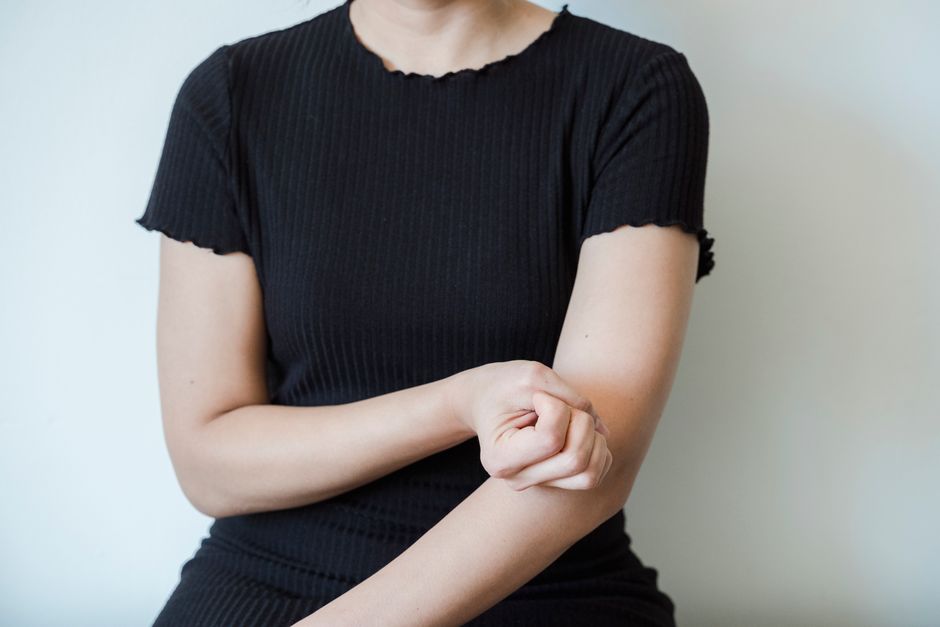
Dark skin on the elbow is most often caused by friction and pressure. The skin over the elbow is thicker than skin elsewhere on the body, and it takes constant wear from leaning on desks, armrests, and hard surfaces. That repeated rubbing triggers extra production of melanin, the pigment that gives skin its color, and the result is a darker, sometimes thicker patch. Less often, dark elbows signal an underlying condition such as acanthosis nigricans, eczema, or a hormonal problem that deserves medical attention.
Most people notice the change gradually. The skin may feel rougher or look ashy before the color deepens. Understanding what drives the darkening tells you whether it is a cosmetic nuisance or something worth showing a doctor.
Why Is My Elbow Black Causes Of Dark Elbows?
The single most common cause is friction. Every time you rest your forearms on a desk or lean on an armrest, the skin over the elbow joint gets compressed and rubbed. The body responds by thickening the outer layer of skin, a process called hyperkeratosis, and by stepping up melanin production in a response known as post-inflammatory hyperpigmentation.
Skin on the elbow is already built for abuse. It has more layers of dead cells than the skin on your forearm or face. That thickness protects the joint, but it also means dead cells and pigment accumulate there more readily. When the surface is not exfoliated and moisturized, the area can look gray, brown, or almost black.
Dryness makes it worse. Skin that lacks moisture develops tiny cracks and a dull, rough texture that reflects less light and appears darker. People who wash frequently, use harsh soaps, or live in dry climates often see this most clearly on the elbows and knees.
Sun exposure adds another layer. Elbows are usually covered, but when they are not, ultraviolet light stimulates melanocytes, the pigment-producing cells, just as it does on the face. A summer of short sleeves can deepen elbow color noticeably.
When Are Dark Elbows a Sign of a Medical Condition?
Dark, velvety skin in the elbow crease or on the back of the elbow can be a sign of acanthosis nigricans. This is a skin condition marked by thickened, dark, velvety patches, and it most often appears in body folds like the neck, armpits, and groin, though the elbows can be involved too.
Acanthosis nigricans is strongly associated with insulin resistance. It is common in people with obesity, type 2 diabetes, and polycystic ovary syndrome. When a doctor sees these velvety patches, checking blood glucose and insulin levels is a reasonable next step. The skin change itself is not dangerous, but it can be an early visible clue to a metabolic problem.
Less commonly, acanthosis nigricans can be triggered by certain medications, including some steroids and birth control pills, or by rare internal cancers. The cancer-associated form is uncommon and usually appears suddenly in a person without other risk factors. Any rapid, widespread darkening deserves a medical evaluation.
Other conditions that can darken elbow skin include:
- Eczema and psoriasis: Chronic inflammation and scratching lead to thickened, darkened skin called lichenification.
- Contact dermatitis: Reactions to soaps, fabrics, or chemicals can leave post-inflammatory dark patches.
- Fungal infections: Some cause scaly, discolored patches, though ringworm of the elbow is less common than on other body sites.
- Addison’s disease: This adrenal condition can cause darkening in skin creases and pressure points, including elbows, but it is rare and comes with other symptoms like fatigue and low blood pressure.
If the darkening appeared quickly, feels velvety, involves other body folds, or comes with fatigue, weight change, or thirst, see a doctor. Those features point away from simple friction.
Is Dark Elbow Skin Hereditary or Related to Skin Type?
People with darker skin tones are more prone to post-inflammatory hyperpigmentation. Melanocytes in darker skin respond more vigorously to injury, friction, and inflammation, producing more pigment after the trigger has passed. This is a normal difference in skin biology, not a sign of poor hygiene.
Genetics also influence how thick the skin on the elbows becomes and how quickly dead cells shed. Some families simply have more hyperkeratosis at pressure points. If a parent has dark, rough elbows, you may too.
Skin type affects how visible the darkening is. On lighter skin, the contrast between pigmented and surrounding skin is more obvious. On darker skin, the change may be subtler but the underlying process is the same.
What Habits Make Elbows Darker?
Leaning on hard surfaces for long periods is the biggest everyday contributor. Desk workers, students, and anyone who props their elbows on tables repeatedly put the same patch of skin under constant pressure. The skin thickens in response, and thickening plus pigment equals a darker appearance.
Hot showers and harsh soaps strip the skin of its natural oils. That leads to dryness, cracking, and a rough surface that looks darker. Scrubbing the elbows hard with a loofah or brush can backfire. Aggressive exfoliation causes micro-injury, which triggers more pigment production, the opposite of what you want.
Not moisturizing is another factor. Dry, flaky skin scatters light differently and looks dull. Regular moisturizing keeps the surface smoother and less likely to crack.
Sitting in air conditioning or dry indoor heat all day pulls moisture from the skin. Elbows, with their thick outer layer, show the effects quickly.
How Can You Reduce Dark Elbows?
Reducing friction is the first and most effective step. Use a padded mouse pad or armrest cover. Change how you sit so your forearms rest on the desk rather than your elbows. Small adjustments made consistently matter more than any single product.
Moisturize daily, ideally right after bathing while skin is still damp. Products containing urea, lactic acid, or salicylic acid can help soften thickened skin, though evidence for how well each works specifically on elbows is limited. These ingredients are well established for hyperkeratosis in general. Start with lower concentrations if your skin is sensitive.
Gentle exfoliation once or twice a week is reasonable. A soft washcloth or a moisturizer with mild chemical exfoliants is safer than scrubbing. Stop if the skin becomes red or irritated, since irritation drives more pigmentation.
Protect the area from sun when it is exposed. Sunscreen on the elbows during short-sleeve weather is a simple step that limits UV-driven pigment.
If the darkening is velvety and involves skin folds, no cream will fix it. That pattern needs a medical workup for insulin resistance or another underlying cause. Treating the cause is what improves the skin.
What Should You Do If Dark Elbows Do Not Improve?
See a dermatologist if the color change persists despite good skin care, spreads, or comes with itching, pain, or thickening. A doctor can usually tell friction-related darkening from acanthosis nigricans or eczema by looking, and can order blood tests if a metabolic cause is suspected.
Prescription treatments exist for stubborn hyperpigmentation, including topical retinoids and other lightening agents. These are not first-line for friction-related darkening, and they carry risks like irritation. A clinician should guide their use.
Be cautious with over-the-counter lightening creams. Some imported products have contained mercury or unlabeled steroids, which can cause serious harm. Stick to products from reputable manufacturers and check ingredients.
Most cases of dark elbows are harmless and improve with less friction and better moisturizing. The skin takes time to turn over, so expect weeks to months, not days. If nothing changes after consistent care, a professional opinion is worth getting.
Frequently Asked Questions
Why is my elbow black?
The most common cause is friction and pressure that thickens the skin and increases pigment. Less often it reflects a condition like acanthosis nigricans, eczema, or a metabolic problem.
Can dark elbows be a sign of diabetes?
Velvety dark patches in skin folds, including the elbows, can be a sign of insulin resistance, which is linked to type 2 diabetes. A doctor can check blood glucose if this pattern appears.
Does scrubbing dark elbows make them lighter?
No, harsh scrubbing can make them darker by injuring the skin and triggering more pigment production. Gentle exfoliation and daily moisturizing are safer.
How long does it take for dark elbows to lighten?
With consistent care, improvement usually takes weeks to months because skin renews slowly. If there is no change, see a doctor to rule out an underlying cause.
