
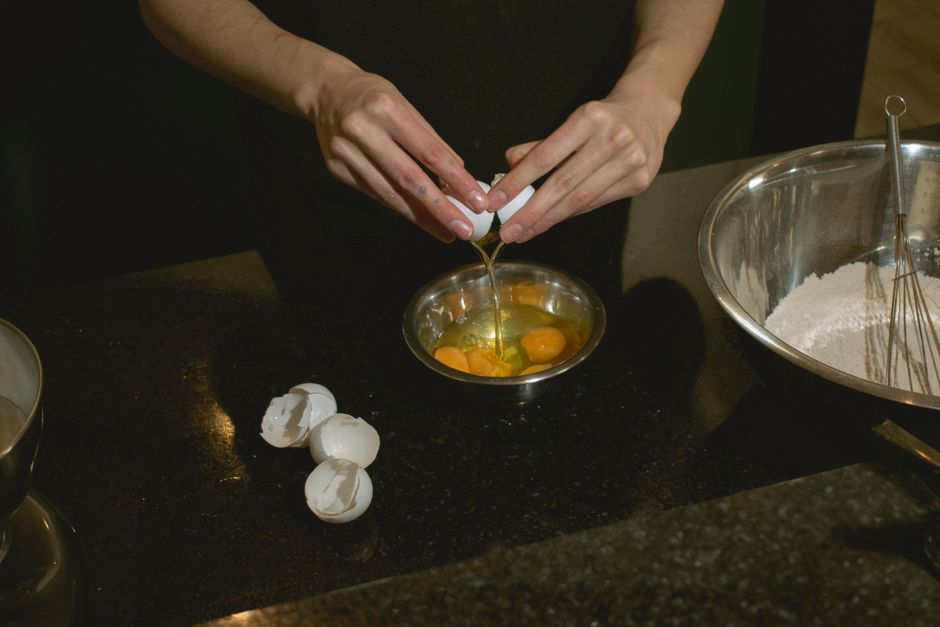
A white egg yolk is almost always caused by what the hen ate, not by disease or spoilage. The yellow color in a normal yolk comes from carotenoid pigments the hen absorbs from her feed and deposits into the yolk. When those pigments are low or absent in the diet, the yolk develops with little or no color. The egg is still safe to eat in the vast majority of cases.
That said, “almost always” is doing real work in that sentence. A few causes of pale yolks are worth knowing about, and a couple of them mean you should not eat the egg. Here is what is actually going on.
Why Is My Egg Yolk White? Causes And Safety
Carotenoids are the pigments responsible for yolk color. They include compounds like lutein, zeaxanthin, and beta-carotene. Hens cannot make these pigments themselves. They have to get them from what they eat, and then their body moves those pigments into the developing yolk.
If the diet is low in carotenoids, the yolk comes out pale yellow, cream, or nearly white. This is the single most common reason. It is a feed issue, not a health crisis.
Commercial egg producers know this well. Many of them add pigment sources to feed on purpose, because shoppers in the US tend to prefer deep orange yolks. Marigold extract, alfalfa, corn, and paprika are common additions. This means a pale yolk from a store-bought egg is unusual, but it can happen if a hen’s diet shifted or the pigment source ran low.
Backyard flock owners see pale yolks far more often. A hen eating mostly kitchen scraps, scratch grain, and whatever she finds in the yard may not be getting enough carotenoids. The yolk reflects that.
What Foods Make Egg Yolks Yellow?
Yolk color tracks directly with the carotenoid content of the hen’s diet. Feed ingredients that reliably push color toward orange-yellow include:
- Corn, especially yellow corn, which is rich in carotenoids
- Alfalfa meal
- Marigold extract and marigold petals
- Paprika and red pepper meal
- Green leafy plants and grasses
- Carrots and other orange vegetables
Wheat, barley, oats, and white corn are low in the pigments that color yolks. A hen eating a wheat-heavy diet will often lay pale yolks even if she is perfectly healthy. This is why commercial feed labels sometimes list pigment additives separately from the base grain.
One detail that surprises people: the color of the yolk has no reliable relationship to the nutritional value of the egg. A deep orange yolk and a pale yellow yolk from the same breed of hen can have very similar protein, fat, and vitamin content. Carotenoids themselves are antioxidants, and a more colorful yolk does contain more of them. But the difference is modest, and it does not make one egg “better” in the way marketing often implies.
Can a White Egg Yolk Mean the Hen Is Sick?
Illness is a possible but uncommon cause. Certain viral infections in poultry, including some that affect the reproductive tract, can interfere with how the hen deposits pigment into the yolk. Parasite loads and severe stress can do the same. When disease is the cause, you usually see other signs too.
Watch for these alongside pale yolks:
- Thin, misshapen, or soft-shelled eggs
- Drop in laying or a sudden stop
- Weight loss, dull feathers, or reduced appetite
- Lethargy or labored breathing
- Watery or abnormal droppings
If a hen is laying pale yolks and otherwise looks and acts normal, illness is unlikely to be the reason. If she has several of the signs above, that points to a health problem and a veterinarian who works with poultry should be involved.
Is a White Egg Yolk Safe to Eat?
A pale yolk from a healthy hen is safe to eat. Color is a pigment issue, not a food safety issue. The egg does not become dangerous because it is less yellow.
What matters for safety is not yolk color at all. It is how the egg was handled and stored, and whether it shows signs of spoilage or contamination. Judge the egg by these instead:
- A foul or sulfur-like smell when you crack it
- A yolk that is runny, flattened, or breaks on contact with the shell
- Pink, green, or iridescent discoloration of the white
- Cloudy or bloody streaks that were not present before
- Any mold or visible growth on the shell or inside
If any of those are present, throw the egg out. Do not taste it to check. A normal pale yolk with a clean smell, a firm round yolk, and clear or slightly cloudy white is fine.
One caveat worth naming plainly: if you are unsure why the yolk is white and the egg came from a source you do not trust, or the hen has been visibly sick, err on the side of caution and discard it. The cost of one egg is not worth a foodborne illness.
Does Yolk Color Change With Hen Age or Breed?
Breed has some influence, but diet matters far more. Some breeds deposit pigment more efficiently than others, and a few breeds naturally produce paler yolks even on good feed. Age plays a smaller role. Older hens sometimes lay eggs with slightly different characteristics, including shell quality and yolk size, but a dramatic shift to a white yolk in a hen that used to lay orange yolks usually points to a diet change or a health issue.
Season matters for backyard flocks. In winter, when hens have less access to fresh green plants and insects, yolks often get paler. When spring arrives and foraging picks up, color typically returns. This is a normal pattern and not a sign of illness.
Can You Make a Yolk Yellow Again?
Yes, if the cause is diet. Adding carotenoid-rich foods to a hen’s feed usually restores yolk color within a few weeks. It takes time because the yolk develops over several days inside the hen before the egg is laid, so changes to the diet show up gradually rather than in the next egg.
Common additions that backyard keepers use include yellow corn, alfalfa meal, and leafy greens. Commercial layer feeds are usually already formulated with enough pigment sources, so pale yolks on a commercial feed may point to a different issue, such as a bad batch or a hen health problem.
What you cannot do is change yolk color with anything other than diet. No supplement or additive will override a diet that is genuinely low in carotenoids.
When to Get a Vet Involved
Contact a veterinarian who treats poultry if pale yolks come with any of the following:
- Multiple hens in the flock showing the same change at once
- A sudden drop in egg production across the flock
- Respiratory symptoms, swelling, or discharge
- Deaths in the flock
- Persistent diarrhea or weight loss in one or more birds
A single hen with pale yolks and no other symptoms is rarely a veterinary emergency. A pattern across a flock is different. That can signal a contagious disease or a feed problem, and both are worth investigating quickly.
Frequently Asked Questions
Is a white egg yolk safe to eat?
Yes, in most cases. A pale yolk from a healthy hen is a pigment difference, not a safety problem, so long as the egg smells normal and shows no signs of spoilage.
What causes a white egg yolk?
The most common cause is a diet low in carotenoid pigments, which hens get from corn, alfalfa, leafy greens, and similar feeds. Illness and parasites can also cause it but are less common.
Can a white egg yolk mean the egg is bad?
Not by itself. Yolk color does not indicate spoilage, so judge the egg by smell, texture, and appearance rather than color.
How long does it take to fix pale yolks with diet changes?
Yolk color usually improves within a few weeks of adding carotenoid-rich feed. The delay is because each yolk develops over several days before the egg is laid.
