
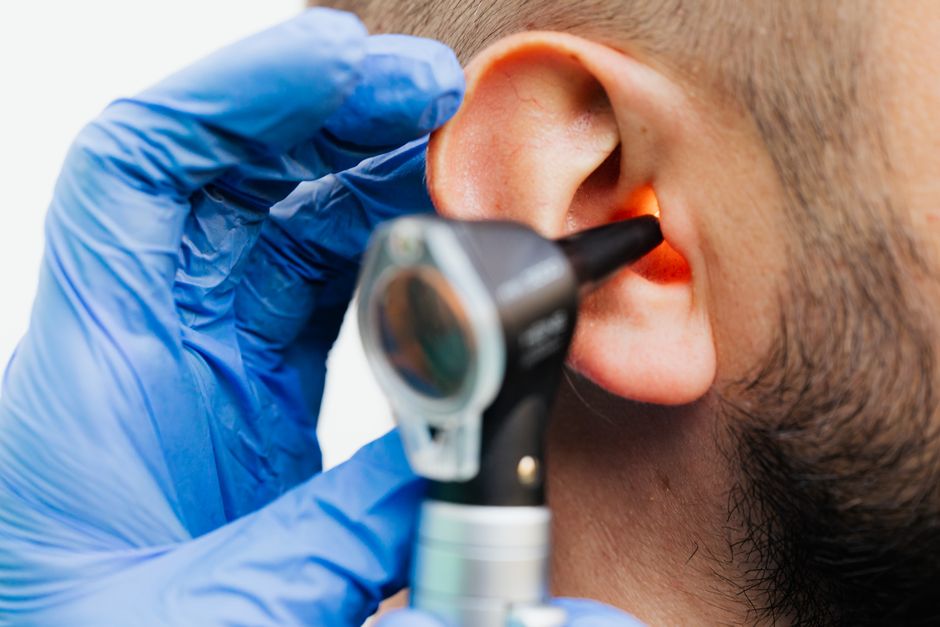
A beating or fluttering feeling in your ear is usually not your eardrum moving at all. In most cases, it is a small muscle inside the middle ear twitching, or a blood vessel near the ear pulsing in a way you can hear. These two causes feel different, and telling them apart is the first useful step toward understanding what is happening. Most cases are harmless, but a few need a doctor’s attention.
Why Is My Eardrum Beating Causes And Solutions
The sensation almost always comes from one of two systems: a muscle that twitches, or a blood vessel that pulses. Your eardrum itself does not beat. It is a thin membrane that vibrates only in response to sound waves. What you feel is activity happening behind or beside it.
The muscles involved are the tensor tympani and the stapedius. They attach to the tiny bones of the middle ear and normally contract to dampen loud sounds. This is called the acoustic reflex. When either muscle twitches on its own, you may feel a rapid flutter, a ticking, or a thumping that seems to come from inside the ear.
The vascular explanation is different. Blood vessels run very close to the ear, including the carotid artery and the jugular vein. When blood flow becomes more forceful or more turbulent, you can hear your own pulse. That sound is usually rhythmic and matches your heartbeat.
Muscle twitching versus vascular pulsing
The distinction matters because the two patterns point to different causes and different next steps. Muscle twitching tends to be fast and irregular. Vascular pulsing is steady and in time with your heart.
- Muscle twitch: rapid fluttering, ticking, or a “butterfly” feeling. Often comes and goes. Frequently linked to fatigue, caffeine, or stress.
- Vascular pulse: a whooshing or thumping that matches your heartbeat. May be louder when you lie down or when you press on your neck.
If you are not sure which one you have, check your pulse while the sensation is happening. If the rhythm lines up exactly, it is more likely vascular. If it is faster or irregular, it is more likely muscular.
What Makes the Muscles in Your Ear Twitch?
Twitching of the middle ear muscles is common and usually temporary. The same triggers that cause a twitching eyelid tend to cause a twitching ear muscle. These include fatigue, stress, caffeine, and minor irritation.
Some cases are linked to a condition called tensor tympani syndrome. In this syndrome, the muscle contracts more often than it should, often in response to sound or stress. It is not dangerous, but it can be persistent and annoying. Some clinicians treat it with sound therapy or relaxation approaches, though strong trial evidence for any single treatment is limited.
Other triggers include:
- Loud noise exposure, which can leave the acoustic reflex overactive for a while
- Jaw clenching or teeth grinding, which involves muscles near the ear
- Minor ear irritation or a small amount of fluid behind the eardrum
- Anxiety, which tends to amplify awareness of small body sensations
One point that surprises many people: the muscles that move your jaw and the muscles inside your ear share nerve connections. Clenching your jaw or grinding your teeth at night can produce a thumping or fluttering in the ear. If the sensation happens mostly when you wake up or when you are tense, jaw tension is worth considering.
Why Can I Hear My Heartbeat in My Ear?
Hearing your pulse in one ear has a name: pulsatile tinnitus. It is different from the ringing or buzzing of ordinary tinnitus. Pulsatile tinnitus is rhythmic and matches your heart rate.
For many people, it is harmless. It can become more noticeable with exercise, pregnancy, anemia, or an overactive thyroid, all of which increase blood flow. It can also be more noticeable when you lie down, because blood pressure in the head changes with position.
In a smaller number of cases, pulsatile tinnitus has a structural cause. Examples include narrowing of a blood vessel near the ear, a tangle of blood vessels, or increased pressure inside the skull. These are not common, but they are the reason doctors take one-sided pulsatile tinnitus seriously.
Seek medical assessment if the pulsing is in one ear only, if it is new, if it is getting worse, or if it comes with headache, vision changes, or hearing loss. Most of these evaluations turn out normal. The point is to rule out the structural causes rather than assume them.
When Should a Beating Ear See a Doctor?
Most fluttering or pulsing in the ear settles on its own and needs no treatment. A doctor’s visit is warranted when the sensation is persistent, one-sided, or paired with other symptoms.
See a clinician if you notice any of the following:
- Hearing loss in the affected ear
- Pulsing in one ear that is new or worsening
- Ear pain, discharge, or a feeling of fullness that does not clear
- Dizziness or balance problems
- Headache, vision changes, or neurological symptoms alongside the ear sensation
- A sensation that started after a head injury
These signs do not mean something serious is present. They mean the cause should be checked rather than assumed benign. An exam of the ear canal and eardrum, a hearing test, and a review of your history are the usual first steps.
What Helps Stop the Fluttering?
For muscle twitching, the most reliable approach is reducing the triggers. Cut back on caffeine, improve sleep, and manage stress. Many people find the sensation fades within days to weeks once these factors settle. There is no clinical guideline that sets a specific timeline, and individual cases vary.
For jaw-related twitching, addressing clenching or grinding can help. Some dentists recommend a night guard, though evidence for its effect on ear symptoms specifically is limited. Relaxation of the jaw muscles during the day is a reasonable first step.
For vascular pulsing, the approach depends on the cause. If a treatable factor such as anemia or thyroid function is found, correcting it often reduces the symptom. If a structural cause is identified, management is directed by a specialist.
What does not have good evidence: supplements marketed for ear health, “ear calming” devices, and home remedies claimed to stop the twitching. No clinical evidence currently confirms these work. Some clinicians recommend white noise or background sound to reduce awareness of the sensation, which can help some people cope, but this is a comfort measure rather than a treatment.
Is a Beating Eardrum a Sign of Something Serious?
In most cases, no. Muscle twitching in the ear is common, harmless, and self-limiting. Pulsatile tinnitus is also usually benign, especially when it is mild, bilateral, or linked to a known factor such as exercise or pregnancy.
The serious causes are uncommon. They include vascular malformations, narrowed vessels, and raised pressure inside the skull. These are the reasons a doctor evaluates one-sided, persistent, or worsening pulsatile tinnitus, not reasons to assume the worst.
It helps to separate two questions. Is this dangerous? Usually not. Is this worth checking? Sometimes yes, depending on the pattern. A steady pulse in one ear that is new or getting worse deserves a look. A brief flutter after too much coffee usually does not.
Frequently Asked Questions
Why does my eardrum feel like it is beating?
It is usually a small muscle in the middle ear twitching, or a blood vessel near the ear pulsing in time with your heartbeat. The eardrum itself does not beat.
Is a fluttering ear a sign of anxiety?
Anxiety does not cause the twitch directly, but stress and poor sleep are common triggers for muscle twitching, and anxiety can make you more aware of the sensation. Reducing stress often helps.
When should I worry about hearing my heartbeat in my ear?
See a doctor if the pulsing is in one ear only, is new or getting worse, or comes with hearing loss, headache, or vision changes. Most cases turn out to be harmless.
Does caffeine cause ear fluttering?
Caffeine is a common trigger for muscle twitching, including in the ear, in people who are sensitive to it. Cutting back is a reasonable first step if the fluttering is frequent.
