
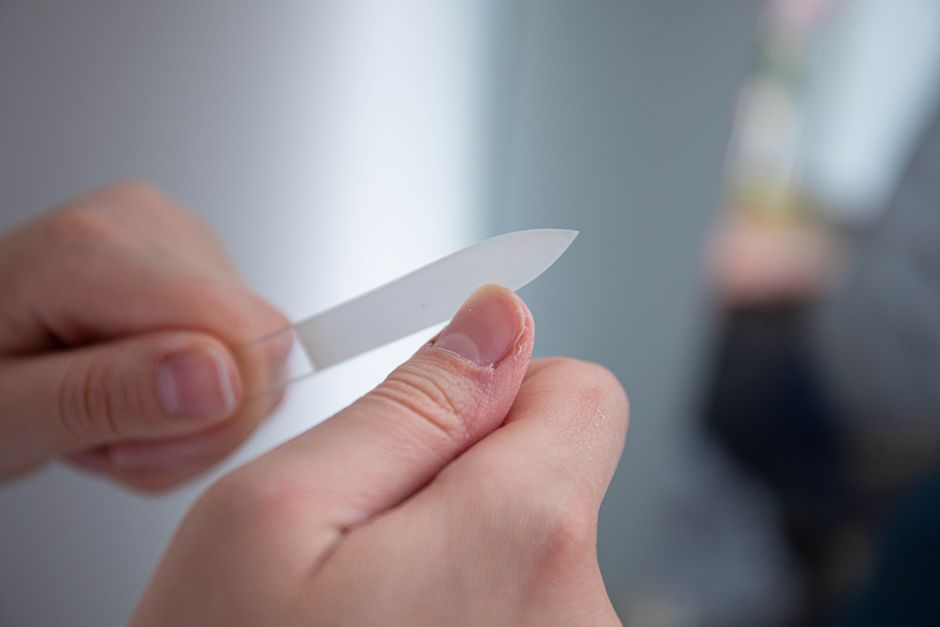
Your cuticle is bleeding because the thin skin at the base of your nail has torn or split. This usually happens from dryness, picking, or minor trauma. To stop the bleeding, apply gentle pressure with a clean cloth for a few minutes. Then clean the area with mild soap and water, and seal it with a thin layer of petroleum jelly or antibiotic ointment. For most people, the bleeding stops within five minutes and heals in a day or two.
What Actually Causes a Cuticle to Bleed?
Cuticles are not just extra skin. They are a living seal that protects the nail matrix from bacteria and infection. When that seal breaks, blood vessels near the surface get exposed.
The most common cause is dry skin. Cold weather, frequent hand washing, and harsh soaps strip the natural oils from your cuticles. Dry skin becomes brittle. Brittle skin cracks easily. Even a small crack can hit a tiny capillary and cause bleeding.
Picking and biting are the second most common cause. Many people pick at hangnails or rough cuticles without thinking. This tears the skin rather than cutting it cleanly. A tear bleeds more than a clean cut because the edges are jagged and the blood vessels are pulled open.
Another cause is aggressive manicuring. Pushing cuticles back too far or cutting them with clippers can damage the living tissue. The American Academy of Dermatology advises against cutting cuticles for this reason. Trimming removes the protective barrier and leaves raw tissue exposed.
Less common causes include vitamin deficiencies, particularly low levels of vitamin C, iron, and B vitamins. These deficiencies affect skin repair and blood clotting. If your cuticles bleed frequently without an obvious cause, it is worth discussing with your doctor.
How Do You Stop the Bleeding Right Now?
Do not panic. Cuticle bleeding looks worse than it is because the fingertip has a rich blood supply. A small cut can produce a surprising amount of blood.
Follow these steps in order:
- Apply firm pressure with a clean cotton ball or tissue for two to three minutes. Do not lift it to check. Keep the pressure steady.
- Once the bleeding stops, wash the area gently with mild soap and cool water. Avoid hydrogen peroxide or alcohol. They damage healthy tissue and slow healing.
- Pat dry with a clean towel. Do not rub.
- Apply a thin layer of petroleum jelly or an over-the-counter antibiotic ointment like bacitracin. This keeps the wound moist and prevents the skin from cracking open again.
- Cover with a small bandage if the cut is deep or if you will be using your hands. Change the bandage daily.
If the bleeding does not stop after ten minutes of steady pressure, you may need medical attention. This is rare, but persistent bleeding can indicate a clotting disorder or the use of blood-thinning medication.
What Should You Not Do to a Bleeding Cuticle?
Many home remedies you see online can make things worse. Here is what to avoid.
Do not soak your finger in warm water or Epsom salts. Soaking softens the skin and can reopen the wound. It also washes away natural oils that protect the area.
Do not apply nail polish or a clear top coat to seal the cut. Nail polish is not sterile. It traps bacteria against the wound and can cause an infection. It also prevents the skin from breathing and healing properly.
Do not use superglue. Medical-grade skin adhesive exists, but household superglue contains chemicals that irritate skin and delay healing. The Mayo Clinic warns against using non-medical adhesives on open wounds.
Do not keep picking at the area. Many people feel the rough edge of a torn cuticle and instinctively try to smooth it. This pulls the tear wider and restarts the bleeding. If there is a loose flap of skin, trim it with clean cuticle scissors after the bleeding has fully stopped.
How Long Does It Take for a Bleeding Cuticle to Heal?
Most bleeding cuticles heal within two to four days. The bleeding stops within minutes if you apply pressure correctly. The torn skin usually reattaches or flakes off within 48 hours.
Deeper cuts can take up to a week. You may notice some tenderness for the first few days. This is normal as the tissue repairs itself.
Signs of infection include increased redness, swelling, warmth, pus, or red streaks spreading up your finger. If you notice any of these, see a healthcare provider. Infections in the fingertip can spread to the bone if left untreated.
People with diabetes or compromised immune systems should monitor cuticle injuries more closely. Healing is slower, and the risk of infection is higher. A simple cuticle bleed can become a serious problem in these cases.
How Do You Prevent Cuticles From Bleeding in the First Place?
Prevention is straightforward once you understand what causes the problem. Dryness is the main enemy. Keep your cuticles moisturized, and they will stay flexible enough to resist cracking.
Use a thick hand cream or cuticle oil at least twice a day. Apply it after washing your hands and before bed. Ingredients like shea butter, lanolin, and jojoba oil work well because they mimic the skin’s natural oils.
Wear gloves when doing dishes or cleaning. Hot water and detergents strip oils faster than anything else. A five-minute dishwashing session without gloves can undo a day of moisturizing.
Stop cutting your cuticles. The European Academy of Dermatology and Venereology advises against cuticle removal entirely. Instead, gently push cuticles back with a wooden stick after a shower when the skin is soft. Never force them. If they resist, leave them alone.
Keep your hands out of your mouth. Nail biting and cuticle picking are hard habits to break, but they are the single biggest preventable cause of bleeding cuticles. Some people find success with bitter-tasting nail polishes or stress-reduction techniques.
Why Is My Cuticle Bleeding And How Do I Stop It: A Quick Comparison
Here is a simple reference for what works and what does not when dealing with a bleeding cuticle.
| Action | Does It Work? | Why |
|---|---|---|
| Pressure with clean cloth | Yes | Direct pressure stops bleeding by allowing clotting |
| Petroleum jelly | Yes | Keeps wound moist and prevents re-cracking |
| Antibiotic ointment | Yes | Reduces infection risk in deeper cuts |
| Hydrogen peroxide | No | Damages healthy tissue and delays healing |
| Soaking in warm water | No | Softens skin and can reopen the wound |
| Nail polish | No | Traps bacteria and prevents airflow |
| Superglue | No | Contains irritating chemicals, not medical grade |
When Should You See a Doctor for a Bleeding Cuticle?
Most cuticle bleeds do not require medical care. But there are clear situations where you should not try to handle it at home.
See a doctor if the bleeding does not stop after ten minutes of steady pressure. This can signal a clotting issue or the effect of blood thinners like warfarin or aspirin. Do not assume it is normal.
See a doctor if you notice signs of infection. Redness spreading beyond the cuticle, warmth, swelling, or pus are all red flags. Infections in the fingertip can progress quickly because the area has limited space for swelling.
See a doctor if you have diabetes. Even a small cuticle injury can lead to serious complications in people with poor circulation or neuropathy. Your doctor may recommend a topical antibiotic or special wound care.
See a doctor if your cuticles bleed frequently without a clear cause. This could indicate a nutritional deficiency, a skin condition like eczema or psoriasis, or a systemic issue. A simple blood test can rule out most causes.
Frequently Asked Questions
Can a bleeding cuticle get infected?
Yes, any break in the skin carries infection risk. Keep the area clean and watch for redness, swelling, or pus.
Should I put a bandage on a bleeding cuticle?
Yes, if the cut is deep or you will use your hands. Change the bandage daily and let the area air out at night.
Does vitamin deficiency cause cuticles to bleed?
Low levels of vitamin C, iron, or B vitamins can weaken skin and slow healing. This is less common than dryness or picking.
Is it safe to push cuticles back?
Yes, but only after a shower when the skin is soft. Use a wooden stick and never force it. Never cut cuticles.
