
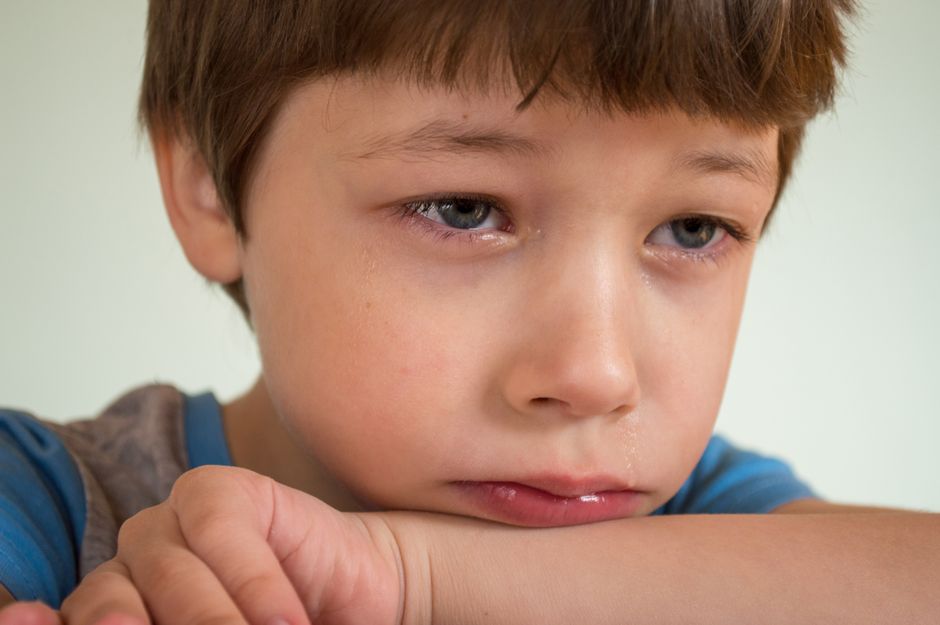
When a child cries while peeing, the most common cause is a urinary tract infection (UTI) that makes urination painful. The burning or stinging sensation can be intense enough to make a toddler or young child cry before, during, or right after they urinate. While a UTI is the leading suspect, other conditions like irritation from bubble baths, constipation, or a skin rash can also cause pain with urination. Understanding the difference between these causes matters because some require medical treatment while others resolve with simple changes at home.
Why Is My Child Crying When Peeing? Root Causes
Painful urination, known medically as dysuria, is the primary reason children cry when they pee. Young children, especially those still in diapers or newly potty trained, often cannot describe the sensation. They simply cry or show distress when they feel the burning or stinging.
The pain can come from inside the urinary tract, like with an infection, or from outside the urinary opening, like with skin irritation. In some cases, the child may not actually have pain at all. They may be crying for another reason entirely, such as fear of the potty or a behavioral refusal. However, pain should always be ruled out first before considering behavioral causes.
What Does a Urinary Tract Infection Look Like in a Child?
A UTI happens when bacteria enter the urethra and multiply in the bladder. The infection irritates the bladder lining, and urine passing over that inflamed tissue causes a sharp burning sensation. This is the most common medical cause of painful urination in children.
Beyond crying during urination, a child with a UTI may show other signs. These include a frequent need to urinate, passing only small amounts of urine at a time, cloudy or strong-smelling urine, blood in the urine, or a new onset of daytime accidents in a potty-trained child. Fever may also be present, especially in younger children.
Younger children and infants may not show any specific urinary symptoms. Instead, they may just have a fever, be irritable, vomit, or feed poorly. If your child has an unexplained fever and is crying when peeing, a UTI is a strong possibility.
UTIs in children require medical evaluation and usually antibiotic treatment. Do not try to treat a suspected UTI at home. Untreated infections can spread to the kidneys and cause more serious illness.
Can Bubble Baths Cause Painful Urination?
Yes. Bubble baths, soaps, and other bath products are a common cause of painful urination in young children, especially girls. The chemicals and fragrances in these products can irritate the delicate skin around the urethral opening. When urine passes over this irritated skin, it stings.
This condition is sometimes called bathwater irritation or contact dermatitis. The key difference from a UTI is that the child usually has no fever, no frequent urination, and no other signs of infection. The pain is purely from skin irritation at the opening.
If bubble baths are the cause, the pain usually resolves within a day or two of stopping the use of these products. Having the child sit in plain warm water without soap or bubbles, then rinsing well, can help. If the pain persists beyond a couple of days or a fever develops, see a doctor to rule out an infection.




How Constipation Can Cause Crying When Peeing
Constipation is a surprisingly common cause of painful urination in children. A full rectum sits directly behind the bladder. When the rectum is packed with hard stool, it presses against the bladder and can make urination uncomfortable or difficult.
Constipation can also cause the bladder to empty incompletely. This leaves urine sitting in the bladder, which increases the risk of a UTI. Some children with constipation also hold their urine because it hurts, which makes the problem worse.
Signs of constipation include infrequent bowel movements, hard or pellet-like stools, straining during bowel movements, or large stools that clog the toilet. A child who is constipated may also have belly pain or a reduced appetite.
Treating the constipation often resolves the urinary pain. Increasing water intake, adding fiber-rich foods like fruits and vegetables, and ensuring regular bathroom time can help. If constipation is severe or persistent, a pediatrician should be involved.
When a Rash or Skin Condition Is the Cause
Diaper rash, yeast infections, or other skin conditions around the genitals can make urination painful. The urine touches raw, inflamed skin and causes a stinging sensation. This is more common in children who still wear diapers or who have sensitive skin.
A yeast infection in the diaper area typically appears as a bright red rash with small red bumps at the edges. It may have a distinct border and can be itchy or painful. This requires an antifungal treatment, which a doctor can prescribe.
Poor hygiene can also cause irritation. If a child does not wipe well after a bowel movement, bacteria can irritate the skin around the urethra. Teaching proper wiping technique, front to back for girls, can reduce this risk.
What About Behavioral or Emotional Causes?
Sometimes a child cries when peeing for reasons unrelated to physical pain. A toddler who recently started potty training may be afraid of the toilet. The noise, the feeling of falling, or the pressure to perform can cause anxiety and crying.
A child who had one painful experience with urination may anticipate pain even after the physical cause is gone. This can create a cycle of fear and crying. In these cases, remaining calm, offering reassurance, and not forcing the child to sit on the toilet can help break the pattern.
However, do not assume a behavioral cause until physical causes have been ruled out. Pain from a UTI or irritation is far more common than a purely emotional response. If the crying is new, persistent, or accompanied by other symptoms, seek medical advice first.
When to Call the Doctor
Contact a pediatrician promptly if your child cries when peeing and has any of the following signs: fever, blood in the urine, back or side pain, vomiting, or a swollen belly. These can indicate a kidney infection, which is more serious than a simple bladder infection.
Also call if your child is under three months old and has any signs of illness or distress. Young infants can become seriously ill from infections very quickly.
If the pain has lasted more than a day or two without improvement, medical evaluation is warranted. A simple urine test can quickly tell whether an infection is present. If the urine test is negative, the doctor can look for other causes like constipation or irritation.
Do not give your child pain medication without asking a doctor first. Some medications are not appropriate for children, and masking the pain can delay diagnosis of a treatable infection.
How Is Painful Urination Diagnosed in Children?
The doctor will start by asking about the child’s symptoms and medical history. They will ask about fever, urination frequency, bowel habits, and any recent use of bubble baths or new soaps.
A urine sample is the key diagnostic test. For older children who are potty trained, a clean-catch sample is usually possible. For younger children, the doctor may use a catheter or a collection bag to get a sample. The urine is tested for bacteria, white blood cells, and other signs of infection.
If the urine test is negative, the doctor may consider other causes. They may feel the child’s abdomen to check for constipation or examine the genital area for rashes or irritation. In most cases, the cause is identified with a simple exam and urine test.
Can You Prevent Painful Urination in Children?
Prevention depends on the cause. For UTIs, encouraging regular urination and adequate water intake helps flush bacteria from the bladder. Do not let children hold their urine for long periods, as this allows bacteria to multiply.
For bath-related irritation, limit bubble baths and scented products. Use mild, fragrance-free soap sparingly and rinse the genital area well. Have children urinate after baths to flush away any residual irritants.
For constipation, maintain a diet with plenty of fiber and fluids. Regular physical activity also helps keep bowel movements regular. If your child has chronic constipation, work with a pediatrician on a long-term management plan.
For girls, teaching correct wiping technique, always front to back, reduces the risk of introducing bacteria from the anus to the urethra. Wearing cotton underwear and avoiding tight pants can also reduce moisture and irritation.
Frequently Asked Questions
Can a child have a UTI without a fever?
Yes. Many children with a UTI have no fever at all. Painful urination, frequent urination, or new daytime accidents can be the only signs.
How do I know if my child has a UTI or just irritation?
Irritation from bubble baths typically causes pain only at the start of urination and resolves quickly after stopping the irritant. A UTI often causes frequent urination, urgency, and sometimes fever or cloudy urine. A urine test is the only reliable way to tell the difference.
Is it safe to give my child cranberry juice for a UTI?
Cranberry juice has not been proven to treat an existing UTI in children. It should never replace antibiotic treatment. If you suspect a UTI, see a doctor for proper diagnosis and treatment.
Can teething cause a child to cry when peeing?
No. Teething does not cause pain with urination. If your child cries when peeing, look for a urinary or skin-related cause rather than attributing it to teething.
