
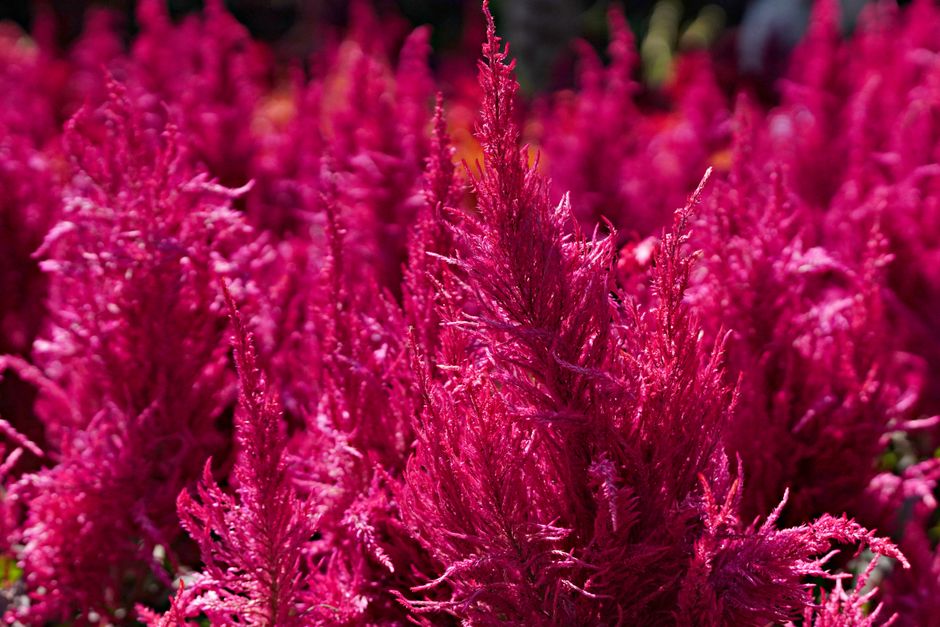
Celosia flowers are known for bright, bold colors that hold up for weeks. When those colors fade, something is wrong. The most common causes are too much direct sun, heat stress, nutrient problems, or the natural end of the bloom cycle. Faded celosia is rarely a sign of disease. Most of the time, it is an environmental issue you can correct.
What Causes Celosia Flowers to Lose Their Color?
Celosia comes in three main types: plumed, crested, and spiked. All of them can fade, but the reason is often the same. The plant is reacting to its environment.
The most frequent culprit is excessive sun and heat. Celosia prefers full sun in mild climates, but intense afternoon sun in hot regions can bleach the flower heads. The colors literally wash out under strong UV light.
Heat stress is a close second. When temperatures stay above 90°F for days, the plant slows down. It stops producing the pigments that keep flowers vibrant. The flower tissue may turn pale, papery, or washed out.
Water stress also plays a role. Celosia likes consistently moist soil. When the soil dries out completely, the flowers suffer first. They lose turgor pressure and color at the same time.
Is It Sun Scorch or Natural Fading?
Sun scorch and natural fading look different. Sun-scorched celosia shows color loss on the side facing the sun. The shaded side often keeps more of its original hue. The affected tissue may look bleached, almost white or pale pink, even on red varieties.
Natural fading happens evenly across the entire flower head. The color gradually shifts from deep red to softer pink, or from bright orange to pale yellow. This is a normal aging process. It happens when the flowers are reaching the end of their lifecycle.
Check the timing. If your celosia has been blooming for several weeks and the color fades evenly, it is likely natural. If the color change happened suddenly after a heat wave or a missed watering, environmental stress is the more likely cause.
Can Nutrient Deficiencies Cause Celosia to Fade?
Yes, but this is less common than sun or water issues. Nitrogen is essential for overall plant health. A nitrogen deficiency causes yellowing of leaves first, then affects flower color. The flowers may look pale and weak rather than vividly faded.
Potassium plays a direct role in flower color intensity. Plants low in potassium often produce dull, washed-out blooms. The leaf edges may also show browning or scorching.
Iron deficiency presents differently. New leaves turn yellow while the veins stay green. Flower color may be affected, but the leaf symptoms usually appear first.
If you suspect a nutrient problem, test your soil before adding anything. Adding fertilizer without knowing the deficiency can make things worse. Too much nitrogen, for example, produces lush green leaves at the expense of flower color.
Does the Celosia Variety Affect Color Retention?
Some celosia varieties hold their color better than others. The plumed types, like Celosia argentea var. plumosa, are generally more sun-tolerant. Crested types, often called cockscomb, can be more sensitive to intense heat.
Varieties bred for cut flowers often have better color retention. They were selected to hold their color after being cut, which usually means they hold it on the plant too. Seed-grown varieties can vary more than vegetatively propagated ones.
Read the plant tag or seed packet when you buy. Look for phrases like “sun-tolerant” or “heat-resistant.” These varieties are bred to handle conditions that cause fading in standard types.
How to Restore Color to a Fading Celosia
First, identify the cause. If the plant is in intense afternoon sun, provide afternoon shade. A shade cloth or planting near a taller plant can help. Morning sun is gentler and usually sufficient for good growth.
Check soil moisture. Stick your finger about an inch into the soil. If it feels dry, water deeply. Celosia needs about an inch of water per week, more during hot spells. Consistent moisture prevents stress that causes fading.
If the plant is potted, move it to a spot with morning sun and afternoon shade. Containers heat up faster than garden soil. The roots can get too warm, which stresses the plant and affects flower color.
For nutrient issues, apply a balanced fertilizer at half strength. A formula like 10-10-10 works well. Avoid high-nitrogen fertilizers once the plant is blooming. They push leaf growth at the expense of flowers.
Remove faded flowers. This is called deadheading. It encourages the plant to produce new blooms. New flowers will have the full, intense color of the variety.
When Is Fading Permanent?
Celosia is an annual in most climates. It completes its lifecycle in one growing season. Once the flowers have been blooming for several weeks, the plant begins to set seed. This is the natural end of the bloom cycle.
At this stage, fading is permanent. No amount of water, shade, or fertilizer will bring the color back. The plant is redirecting energy to seed production rather than flower maintenance.
You can prolong the blooming period by deadheading regularly. Remove spent flowers before they form seed heads. This tricks the plant into producing more blooms instead of seeds.
Eventually, every celosia will fade. The plant will decline and die after the first frost. If you want continuous color, stagger your plantings. Start new celosia every few weeks so you always have fresh plants coming into bloom.
Can Pests or Disease Cause Color Loss?
Pests rarely cause color loss directly. However, heavy infestations can stress the plant enough to affect flower color. Spider mites are the most likely culprit. They suck sap from leaves and flowers, causing stippling and pale, faded tissue.
Check the undersides of leaves for fine webbing. That is a sign of spider mites. Aphids can also cluster on flower heads and buds. They suck plant juices and may cause distorted or faded blooms.
Fungal diseases are more likely to cause browning or wilting than simple fading. If the flower heads look mushy or develop gray mold, that is botrytis. This is different from color loss and requires different treatment.
Treat pests with insecticidal soap or neem oil. Apply in the early morning or evening to avoid leaf burn. Always follow the label instructions on any pesticide product.
Preventing Color Loss in Future Celosia Plants
Choose the right location from the start. Celosia needs at least six hours of sun, but in hot climates, morning sun is better than afternoon sun. Plant where the soil drains well and stays consistently moist.
Amend the soil with compost before planting. Compost improves drainage and provides slow-release nutrients. It also helps the soil hold moisture, which reduces stress on the plant.
Mulch around the base of the plant. A two-inch layer of organic mulch keeps soil temperatures stable and reduces water evaporation. This is especially helpful during heat waves.
Water consistently throughout the growing season. Do not let the soil dry out completely, but avoid waterlogged conditions. Celosia does not tolerate either extreme well.
Consider planting in containers if your garden soil is difficult to manage. Containers give you more control over soil, water, and sun exposure. You can move pots to adjust conditions as the season changes.
Understanding the Celosia Bloom Cycle
Celosia flowers are actually clusters of tiny individual blooms. What looks like one large flower is a dense grouping of small florets. Each floret opens over time, starting from the base and moving upward.
This means a celosia flower head contains blooms at different stages of maturity. The older florets at the base may fade while the newer ones at the top are still vibrant. This is normal and not a sign of problems.
The entire bloom cycle lasts several weeks to a few months, depending on the variety and conditions. Cooler weather extends the bloom period. Hot, dry weather shortens it.
Understanding this cycle helps you know what is normal. A celosia that has been blooming for six weeks and is starting to fade is not sick. It is completing its natural lifecycle.
Frequently Asked Questions
Why is my celosia turning white?
Sun scorch or heat stress is the most common cause of celosia turning white. Move the plant to afternoon shade and keep the soil consistently moist.
How do I revive a faded celosia?
Cut back the faded flower heads and provide afternoon shade if it is in intense sun. Water deeply and consistently, then wait for new growth to emerge.
Does celosia need full sun?
Celosia needs at least six hours of sun daily, but in hot climates, intense afternoon sun can bleach the flowers. Morning sun with afternoon shade is ideal in warm regions.
Why is my celosia losing color after rain?
Heavy rain can wash pollen from the flowers and cause physical damage to the tissue. The color may appear faded until new florets open.
