
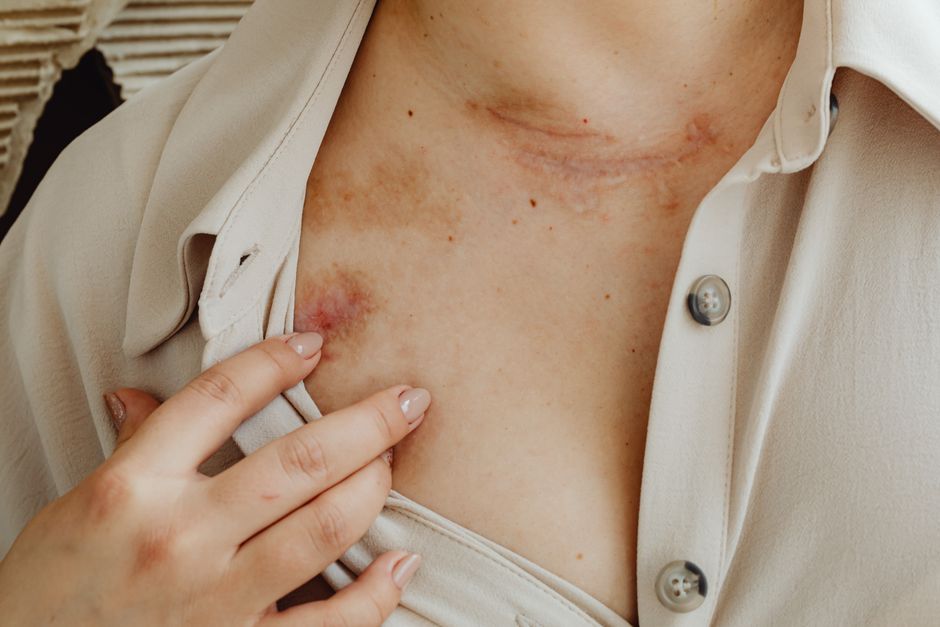
An itchy C-section scar is one of the most common complaints after cesarean delivery. For most women, the itching is a normal part of healing and means the nerves and skin are repairing themselves. However, if the itch comes with redness, swelling, warmth, or discharge, it may signal an infection or another complication that needs medical attention. Understanding the difference between normal healing and a warning sign helps you know when to treat it at home and when to call your doctor.
Why Is My C Section Scar Itchy Whats Normal When To Worry
The itching you feel around your scar is usually a sign that your body is healing. When skin and deeper tissues are cut, your body sends blood and nutrients to the area to repair the damage. New blood vessels form, collagen is laid down, and nerve endings that were severed during surgery begin to regrow and reconnect. That nerve regrowth is what causes the itchy, sometimes tingling, sensation.
Most women notice the itch starting a few weeks after surgery and it can last for several months. This is completely normal. The scar may also feel numb, tight, or slightly raised during this time. These sensations are part of the healing process and typically improve over time.
You should worry when the itching is accompanied by other symptoms. Redness spreading beyond the scar line, warmth to the touch, swelling, pus or fluid leaking from the wound, or a fever are all signs of a possible infection. If you experience any of these, contact your healthcare provider promptly.
What Does Normal Healing Look Like?
In the first few weeks after a C-section, your incision will go through distinct stages of healing. The wound edges close within the first week or two, but the deeper layers of tissue take much longer to repair. The outer layer of skin may look healed while the tissue underneath is still actively rebuilding.
A normal healing scar should gradually become less red and less raised over several months. It may feel firm at first and then soften over time. The skin around the scar might look slightly different in color than the rest of your belly — this is common and usually fades.
Some women develop what is called a hypertrophic scar. This is a thick, raised scar that stays within the boundaries of the original incision. It can be itchy and uncomfortable. Hypertrophic scars are not dangerous, but they can be bothersome. They often improve on their own over one to two years.
A keloid is different. A keloid is a scar that grows beyond the original incision line, spreading into surrounding healthy skin. Keloids can continue to grow for months or even years. They are more common in people with darker skin tones and can be very itchy. Neither hypertrophic scars nor keloids are infections, but they can be distressing and may benefit from treatment.
Why Does the Itch Get Worse at Certain Times?
Many women notice that their scar itches more at night or when they are resting. This is not random. During the day, you are moving, distracted, and your brain is processing many other sensations. When you lie still in bed, your attention shifts to your body, and the itch becomes more noticeable.
There is also a physiological reason. Nerve signals for itch and pain travel along similar pathways. When you are active, your brain receives more competing signals from movement and touch. At rest, fewer competing signals exist, so the itch signals stand out more clearly.
Heat and sweat can also make the itch worse. Moisture trapped against the scar can irritate the skin. Wearing loose, breathable clothing and keeping the area clean and dry can help reduce this type of irritation.
Allergic reactions to adhesive tape, bandages, or topical creams can also cause itching. If you recently changed a product you are using on your scar and the itch intensified, consider whether the new product might be the cause. Stop using it and see if the itching improves.
When Should You Call Your Doctor?
Itching alone is rarely a reason to call your doctor. But itching combined with certain symptoms warrants a phone call or visit. You should contact your healthcare provider if you notice any of the following:
- Redness that spreads beyond the immediate edge of the scar
- Warmth or heat radiating from the incision site
- Swelling or increasing firmness of the area
- Pus, bloody discharge, or a foul odor from the wound
- Fever of 100.4°F (38°C) or higher
- The incision opening up or separating
- Severe pain that is not controlled by your prescribed pain medication
These symptoms may indicate a wound infection, which requires medical treatment. Do not wait to see if it improves on its own. Infections after C-section surgery are relatively uncommon but they do happen. Early treatment is important.
You should also call your doctor if the itching is so intense that it interferes with your sleep or daily activities. Severe itching that does not respond to basic home care may need a different approach, including prescription treatments.
How to Soothe an Itchy C-Section Scar at Home
For normal healing itch, several safe home strategies can provide relief. Always check with your doctor before applying anything to your scar, especially in the first few weeks after surgery.
Gentle moisturizing can help. Unscented, hypoallergenic lotions or creams can reduce dryness and soothe the skin. Look for products without dyes or fragrances, as these can irritate sensitive healing skin. Some women find that pure coconut oil or shea butter works well, but test a small area first to make sure you do not have a reaction.
Cool compresses can provide immediate relief. A clean cloth dampened with cool water applied to the area for 10 to 15 minutes can calm the itch. Do not apply ice directly to the scar, as this can damage healing tissue.
Over-the-counter antihistamines may help if the itch is related to an allergic reaction or histamine release during healing. Diphenhydramine (Benadryl) can make you drowsy, so it is often better used at night. Cetirizine (Zyrtec) or loratadine (Claritin) are non-drowsy options. Ask your pharmacist or doctor which is appropriate for you, especially if you are breastfeeding.
Hydrocortisone cream is sometimes recommended for itchy scars, but you should use it with caution. Topical steroids can thin the skin if used for too long. Short-term use, meaning a few days, is generally considered safe, but check with your doctor first. Do not use hydrocortisone on an open wound or if you suspect an infection.
Moisturizing silicone sheets or silicone gel are widely used for scar management. Some research suggests they can help flatten and soften scars and reduce associated itching. These products are applied daily and left in place for several hours. They are generally considered safe after the wound has fully closed, which usually takes two to three weeks. Discuss with your doctor when it is appropriate to start using them.
What About Nerve Pain and Numbness?
Itching is not the only strange sensation women feel around a C-section scar. Many also experience numbness, tingling, burning, or shooting pains. These sensations are caused by damage to the small nerves in the skin and deeper tissues during surgery.
When a surgeon cuts through the abdominal wall, small sensory nerves are severed. The area supplied by those nerves goes numb. As the nerves heal and regrow, they can send abnormal signals to the brain. This is why you might feel an itch in an area that feels numb to the touch, or a sudden sharp twinge that lasts only a second.
Nerve regeneration is slow. It can take months to a year or more for sensation to fully return. In some cases, sensation never fully returns, and a small area of numbness remains permanently. This is generally harmless, though it can feel strange.
In rare cases, nerve damage can cause more significant problems. If you experience severe burning pain, weakness in your legs, or loss of bladder or bowel control, seek medical attention immediately. These symptoms are not normal and require urgent evaluation.
Can You Prevent Scar Itching?
You cannot completely prevent the itch that comes with normal healing. But you can reduce the factors that make it worse. Keeping the area clean and dry is the most important step. Moisture trapped against the skin breeds irritation and can increase itching.
Wear loose clothing made from breathable fabrics like cotton. Tight waistbands that rub against the scar can irritate the area and make itching worse. High-waisted underwear or pants that sit above the incision can also help reduce friction.
Avoid scratching. Scratching can break the skin and introduce bacteria, increasing the risk of infection. It can also make the itch worse by triggering more histamine release. If you find yourself scratching in your sleep, consider covering the area with a soft, loose bandage or wearing cotton gloves to bed.
Sun exposure can darken scars and make them more noticeable. Once your scar has healed, protect it from the sun with clothing or a high-SPF sunscreen. Sunburned scars itch intensely, so prevention is worth the effort.
When Is It Too Late for Scar Treatment?
Many women wonder if they missed the window for improving their scar’s appearance or reducing itching. The answer is that it is rarely too late, though the approach may change over time.
In the first few months after surgery, the scar is still actively remodeling. This is when silicone sheets and gels are most effective. Massaging the scar gently with moisturizer can also help break up tight tissue and improve flexibility.
After the scar has matured, which typically takes six months to a year, some treatments become less effective. However, options still exist. Laser therapy can help reduce redness and flatten raised scars. Steroid injections are sometimes used for hypertrophic scars and keloids. These treatments require a dermatologist or plastic surgeon and are not usually covered by insurance for cosmetic purposes.
If your scar is fully healed but still itchy after a year or more, it is worth seeing a specialist. Chronic itch in a mature scar may respond to treatments that are different from those used in early healing. Do not assume you have to live with it.
Frequently Asked Questions
How long does C-section scar itching last?
Normal itching typically lasts several weeks to a few months after surgery. Some women experience intermittent itching for up to a year as nerves continue to heal.
Can I put lotion on my C-section scar?
Yes, once the wound has fully closed and there is no scab or open area, unscented hypoallergenic lotion is safe to use. Check with your doctor first if you are unsure whether your incision has closed completely.
Is it normal for my C-section scar to be numb?
Yes, numbness around a C-section scar is very common. Small nerves are cut during surgery, and it can take months for sensation to return, if it returns at all.
What does an infected C-section scar look like?
An infected scar is red, warm, swollen, and may leak pus or fluid. It may also be increasingly painful and accompanied by a fever.
