
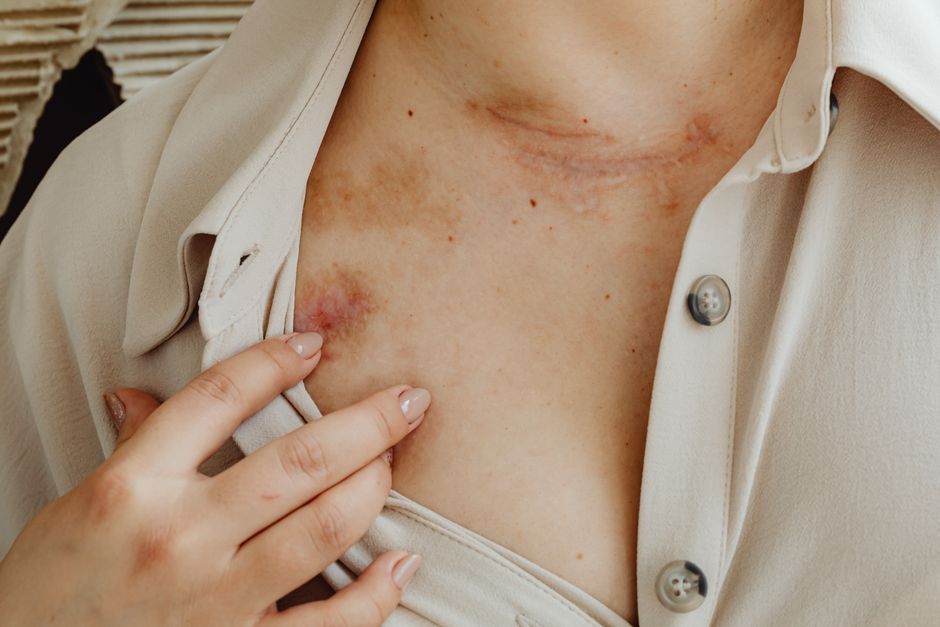
A burn that stays open long after it should have closed is your body telling you something is wrong. Most minor burns heal within one to three weeks. If a burn is still raw, oozing, or getting worse after that window, one of six common problems is usually behind it: infection, poor blood flow, continued tissue damage, a medical condition that slows healing, a burn that was deeper than it looked, or repeated trauma to the same spot. Each has a different fix, which is why the cause matters more than the calendar.
Why Is My Burn Not Healing 6 Possible Reasons?
Healing is a sequence, not a single event. First the body stops the bleeding and clears debris. Then immune cells move in to fight bacteria and break down dead tissue. Then new skin cells and blood vessels rebuild the surface. Anything that interrupts that sequence stalls the whole process.
The six reasons below account for most burns that refuse to close. They often overlap. A deep burn is more likely to get infected, and an infection makes poor circulation worse. But identifying which one is driving your situation is the first step toward getting it resolved.
1. Infection
A burn destroys the skin barrier that normally keeps bacteria out. That makes any open burn a potential entry point. When bacteria multiply in the wound, healing stops and inflammation increases.
Signs of infection include spreading redness, warmth around the wound, swelling that gets worse instead of better, pus, a foul odor, and fever. Pain that increases after the first few days is another warning sign.
Minor burns can sometimes be managed at home with gentle cleaning and a sterile dressing. But an infected burn needs medical attention. Some infections require prescription antibiotics, and delaying treatment allows the infection to spread to deeper tissue.
2. Poor Blood Flow
Healing requires oxygen and nutrients delivered by blood. When circulation to an area is reduced, the repair process slows dramatically.
Conditions that impair circulation include diabetes, peripheral artery disease, and smoking. Smoking narrows blood vessels and reduces oxygen delivery to tissue. Even a mild burn in a person with poor circulation can take far longer to heal than expected.
Burns on the lower legs and feet are especially vulnerable. These areas are farthest from the heart and often have the weakest blood supply. If a burn on your foot or ankle is not healing, circulation is a strong suspect.
3. Continued Tissue Damage
A burn is not always a single event. Some burns keep damaging tissue after the initial injury.
Chemical burns are the clearest example. If the chemical is not fully removed, it keeps destroying cells. Thermal burns can also worsen if the skin stays in contact with a heat source, or if a person continues to apply irritants like alcohol, hydrogen peroxide, or harsh soaps to the wound.
Even something as simple as picking at a scab or peeling dead skin can reopen the wound and restart the healing clock. The tissue cannot rebuild if it is being damaged faster than it can repair.
4. An Underlying Medical Condition
Several health conditions interfere with wound healing. Diabetes is the most common. High blood sugar damages blood vessels and impairs the function of immune cells that clear debris and fight infection.
Other conditions that slow healing include kidney disease, autoimmune disorders, and conditions treated with immunosuppressive medications or long-term corticosteroids. These medications reduce inflammation, which is helpful for the condition they treat but can delay the inflammatory phase of wound repair.
Nutrition matters too. Protein, vitamin C, and zinc are all required for tissue repair. A person who is malnourished or has low protein intake may heal more slowly. This is well established in clinical settings, though the exact thresholds at which nutrition becomes the limiting factor vary by individual.
5. The Burn Was Deeper Than It Appeared
Burns are classified by depth. Superficial burns involve only the outer layer of skin and typically heal within a week. Partial-thickness burns go deeper and can take two to three weeks. Full-thickness burns destroy all layers of skin and cannot heal on their own without medical intervention.
A burn that looked minor at first may have been deeper than it seemed. This is common with burns from hot oil, hot metal, or prolonged contact with a heating pad. The surface may look red and unremarkable while the damage extends into the dermis.
Full-thickness burns often appear white, waxy, or charred. They may be painless because nerve endings have been destroyed. These burns require professional care and sometimes skin grafting.
6. Repeated Trauma or Pressure
A wound needs stability to heal. If the burned area is on a joint, a hand, or a foot, normal movement can keep breaking down new tissue. Pressure from shoes, clothing, or prolonged sitting or lying in one position can compress blood vessels and reduce circulation to the wound.
This is why burns on the feet of people with diabetes are so dangerous. The combination of poor circulation, reduced sensation, and constant pressure creates conditions where a small burn can become a serious wound.
Keeping a healing burn clean, covered, and protected from friction gives the tissue the best chance to close.
How Do You Know If a Burn Is Infected or Just Healing?
Normal healing and infection can look similar in the early stages. Both involve redness, warmth, and some swelling. The difference is direction and timing.
Normal healing improves steadily after the first two to three days. Redness shrinks toward the wound edges. Pain decreases. New pink tissue appears at the margins.
Infection goes the other way. Redness spreads outward. Swelling increases. Pain worsens. Pus or cloudy fluid appears. The wound may smell bad. Fever and chills suggest the infection is affecting the whole body.
If you are unsure, it is safer to have a healthcare provider look at it. This is especially true for burns on the hands, feet, face, or genitals, and for anyone with diabetes or a weakened immune system.
When Should You See a Doctor About a Slow-Healing Burn?
Seek medical care if a burn has not improved after two weeks, if it is getting worse at any point, or if you notice signs of infection. Burns larger than three inches across, burns that wrap around a limb, and burns on the face, hands, feet, or joints should be evaluated regardless of how they look.
Go to an emergency room for burns that are deep, charred, or painless, or that cover a large area of the body. These may require specialized treatment.
People with diabetes, poor circulation, or a weakened immune system should seek care earlier rather than waiting. Their risk of complications is higher, and the window for simple treatment is narrower.




What Actually Helps a Burn Heal?
Keep the wound clean and covered. Gentle washing with mild soap and water is enough. Avoid alcohol, hydrogen peroxide, and iodine on open burns. These can damage new tissue and delay healing.
Use a sterile, non-stick dressing. Change it as directed or when it becomes soiled or wet. Protect the area from friction and pressure.
Do not pop blisters. Blisters are a natural dressing that protect the healing skin underneath. Opening them increases infection risk.
Eat enough protein and stay hydrated. Tissue repair requires building blocks. This does not replace medical care, but it supports the body’s own repair process.
If the burn is not healing despite good wound care, the cause is likely one of the six reasons above. A healthcare provider can assess circulation, check for infection, and determine whether the burn was deeper than it appeared.
Frequently Asked Questions
How long should a burn take to heal?
Most minor burns heal within one to three weeks. Deeper burns or burns in people with underlying health conditions can take longer.
Can a burn heal without antibiotics?
Minor burns often heal without antibiotics if kept clean and covered. Infected burns may require prescription antibiotics, so signs of infection should be evaluated by a healthcare provider.
Why is my burn still oozing after a week?
Some clear fluid is normal in the first few days. Oozing that continues past a week or becomes cloudy, yellow, or foul-smelling may indicate infection.
Does poor circulation really slow burn healing?
Yes. Healing requires oxygen and nutrients delivered by blood. Conditions like diabetes, peripheral artery disease, and smoking reduce blood flow and can significantly delay healing.
